Empowering Modern Muslim Women’s Fashion: An In-depth Look at Islamic Clothing Market Trends and Forecast, 2026-2035
Welcome, Maghrebi diaspora readers! This blog post delves into the exciting and evolving landscape of Islamic clothing market trends and forecasts for the period 2026-2035. Join us as we explore how the fashion industry is empowering modern Muslim women through innovative designs and inclusive approaches. With the modest fashion industry valued at over $300 billion in 2020, it’s no wonder that fashion brands are scrambling to cater to this growing market. But what does this mean for modern Muslim women?
The Rise of Modest Fashion
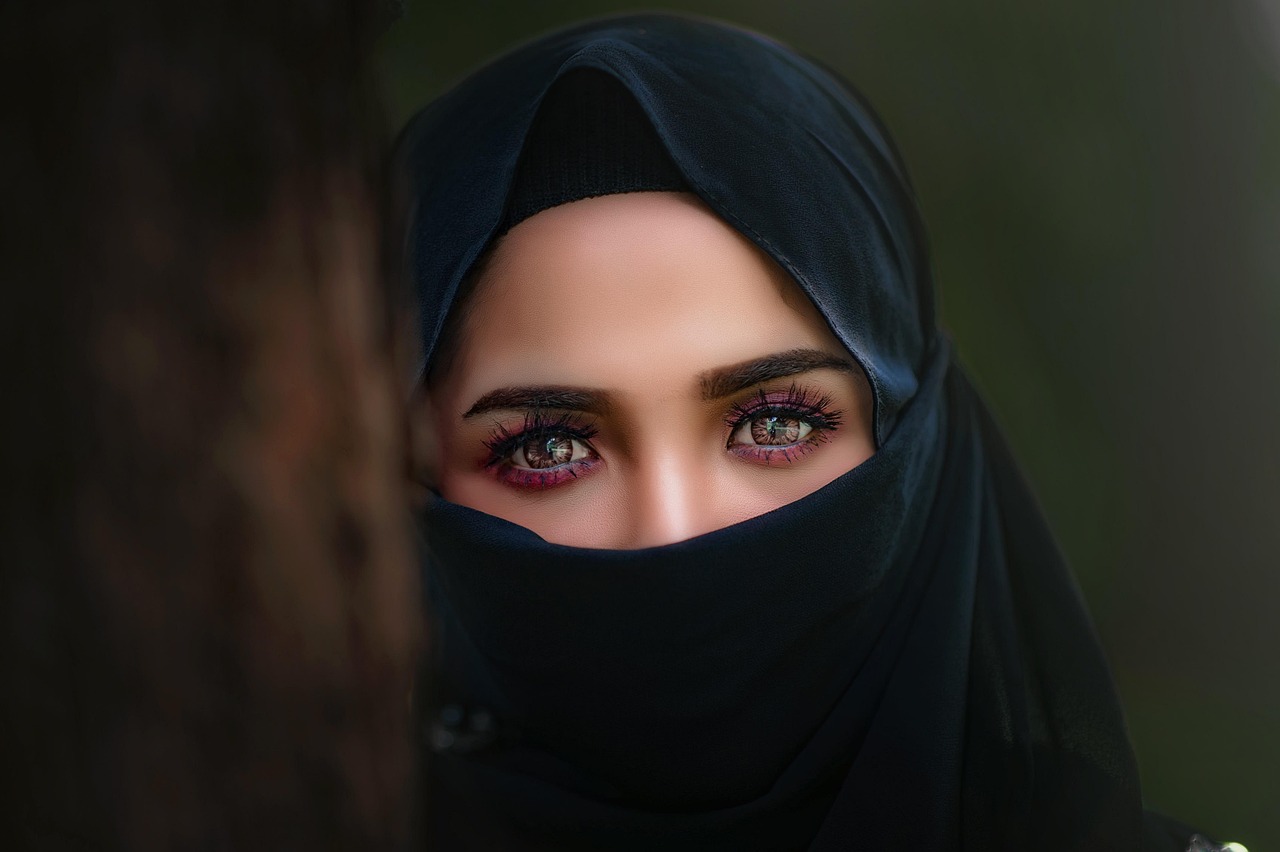
The growth of the modest fashion industry has been remarkable, with an estimated value of over $300 billion in 2020. This sector caters to consumers who adhere to specific dress codes while maintaining a modern and stylish aesthetic. From hijab-wearing celebrities to social media influencers showcasing their modest fashion sense, it’s clear that modest fashion is no longer just for the conservative crowd.
As consumers become more conscious of their environmental impact, fashion brands will be under pressure to create sustainable, yet fashionable, clothing options. With the rise of eco-friendly fabrics and production methods, it’s likely that we’ll see a significant shift towards sustainable fashion practices in the coming years.
Furthermore, the rise of social media influencers and bloggers has played a significant role in popularizing modest fashion and providing inspiration for stylish and contemporary outfits. With millions of followers hanging on their every fashion-related post, it’s no wonder that modest fashion has become a staple in the industry.
Technological Advancements in Islamic Clothing
The integration of technology into Islamic clothing is a game-changer. Smart fabrics and wearable technology are being developed to meet the needs of the modern Muslim consumer. For example, temperature-regulating and moisture-wicking materials are being used to create comfortable clothing for prayer and daily wear.
In the coming years, we can expect to see advancements in smart clothing, such as built-in Qibla (direction of Mecca) finders, prayer timers, and even augmented reality features. These technologies aim to enhance the user’s experience and make it easier to maintain religious obligations while keeping up with fashion trends.
Moreover, the use of 3D printing technology will enable customization and personalization, ensuring a perfect fit and catering to diverse body types and cultural preferences. Imagine being able to design and order a hijab that fits you perfectly, or a pair of shoes that accommodates your unique foot shape.
Inclusive Design and Cultural Diversity
As the Islamic clothing market grows, so does the need for inclusive design. Fashion brands are recognizing the importance of catering to the diverse needs and preferences of Muslim consumers, particularly those in the Maghrebi diaspora. This includes offering a variety of styles, colors, and fabrics to accommodate different cultural backgrounds and traditions.
Additionally, the emphasis on cultural sensitivity is crucial in designing Islamic clothing. Brands are collaborating with Muslim designers and communities to ensure that their products accurately represent the values and beliefs of their target audience. This not only boosts consumer confidence but also fosters a sense of belonging and community.
In the future, we can expect to see a continued focus on inclusivity and cultural diversity, with a growing range of options for all Muslim women, regardless of their ethnicity or cultural background. With the rise of global fashion trends, it’s essential that the Islamic clothing market remains inclusive and culturally sensitive to meet the needs of its diverse customer base.
The Impact of Sustainability on Islamic Fashion
Sustainability has become a crucial concern for many fashion consumers, and the Islamic clothing market is no exception. Brands are increasingly focusing on using eco-friendly materials, minimizing waste, and promoting ethical production practices.
In the coming years, we can expect to see a rise in transparency in the fashion supply chain, allowing consumers to make informed decisions about the environmental and social impact of their purchases. With the Islamic faith emphasizing the preservation of resources and the avoidance of waste, it’s only natural that sustainable fashion practices will continue to gain traction in the industry.
Moreover, the growing awareness of social and environmental issues will drive the demand for sustainable fashion, making it a crucial aspect of the Islamic clothing market’s future growth.
The Future of Islamic Clothing: Empowering Modern Muslim Women
The future of Islamic clothing is bright and filled with opportunities for empowerment, inclusivity, and innovation. As the market continues to grow and evolve, we can expect to see a wider variety of options for modern Muslim women, allowing them to express their personal style while maintaining their religious and cultural values.
We encourage our Maghrebi diaspora readers to stay informed, support sustainable and inclusive brands, and embrace the exciting changes happening in the Islamic clothing market. With the rise of e-commerce and social media, it’s easier than ever to stay connected with the fashion industry and make informed purchasing decisions.
Stay tuned for more updates on the Islamic clothing market trends and forecast, 2026-2035!
You might also enjoy
Related Articles
- Unveiling the Expansion of the Islamic Clothing Market and its Influence on Modern Muslim Fashion: A Focus on the Maghrebi Diaspora
- Empowering Modern Muslim Women: Exploring the Influence of Fashion in the Maghreb
- Modest and Modern: Embracing the Latest Trends in Muslim Women’s Fashion
- Exploring Trends and Predictions for the Islamic Clothing Market in the Maghrebi Region: A Guide for the Maghrebi Diaspora
- Empowering Lessons from Living Among Arab Women: Inspiring Insights from the Maghrebi Diaspora