Modest and Modern: Embracing the Latest Trends in Muslim Women’s Fashion
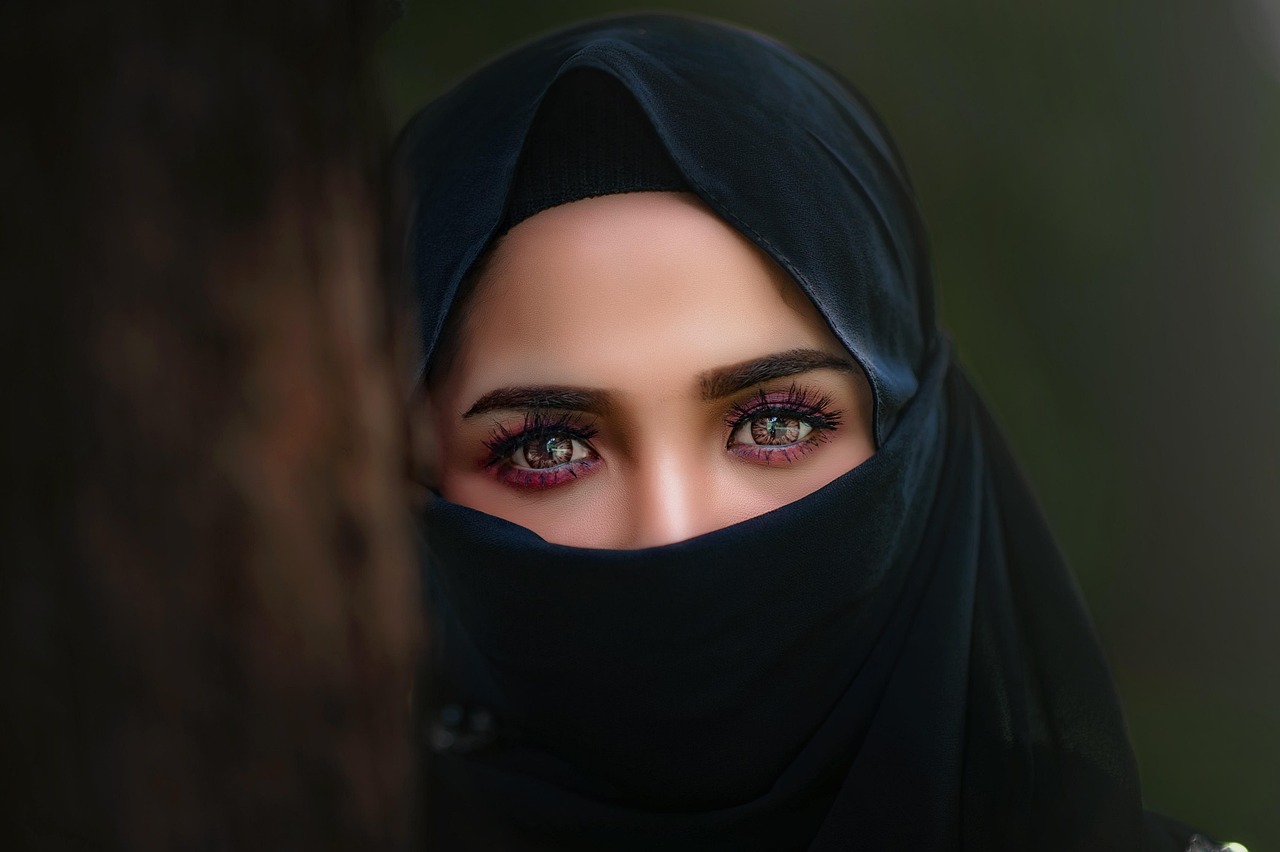
Welcome to a new era of fashion for Muslim women, where the harmony between modesty and modernity is celebrated. This article aims to explore the latest trends that have captivated the Maghrebi diaspora, offering insights into the world of contemporary Muslim fashion. From the fusion of traditional garments with modern materials and designs to the rise of modest swimwear and innovative accessories, we’ll delve into the ways Muslim women are redefining fashion that’s both stylish and respectful of their faith.
Revitalizing Traditional Pieces
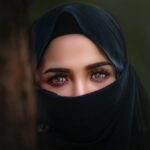
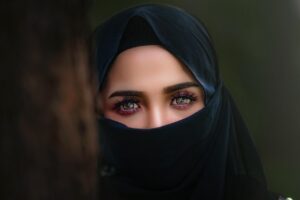
Traditional garments such as the jilbab, abaya, and hijab have been modernized with an emphasis on versatility and comfort. Designers are experimenting with various fabrics, patterns, and cuts, making these timeless pieces more appealing to a younger audience. For instance, the incorporation of African prints with traditional Islamic designs has given rise to a unique fusion that showcases the rich cultural heritage of the Maghreb region. The use of bold, vibrant colors and intricate patterns adds a fresh twist to these traditional garments, making them perfect for everyday wear or special occasions.
Furthermore, new materials like lightweight silks and breathable cottons have been introduced to provide comfort during hot summer months while maintaining the modesty required by the Islamic faith. This focus on comfort and practicality has led to the creation of clothing lines that cater to the diverse needs of Muslim women, from active wear to formal attire.
Innovative Layering Techniques
Layering has become a popular trend in Muslim women’s fashion, allowing for both modesty and style. Layered outfits not only create a chic appearance but also provide flexibility in adjusting to various climates and occasions. For instance, pairing a long tunic over leggings or jeans and adding a kimono-style jacket or cardigan for an additional layer of coverage is a versatile and stylish way to dress. This style can be easily adapted for both casual and formal events, making it a staple in many Muslim women’s wardrobes.
Another popular layering method is the use of a waistcoat or duster coat over a long dress, offering a more structured and sophisticated look. These pieces can also be layered with a scarf or shawl for added warmth and modesty, creating a cozy and inviting outfit perfect for cooler weather.
Versatile Accessories
Accessories have always played an essential role in Muslim women’s fashion, and the latest trends continue to emphasize their importance. From statement necklaces and earrings to intricate headpieces, accessories can add a touch of elegance and personality to any outfit. The abayabag, a handbag designed to complement the abaya, is a notable accessory that has gained popularity. These bags are often oversized and functional, providing ample space for daily essentials while maintaining a sleek and sophisticated appearance.
Another accessory that has gained popularity is the hijab pin, which serves as both a practical tool for securing the hijab and a means of self-expression. Hijab pins come in various designs, from simple studs to ornate brooches, allowing women to express their personal style and add a touch of flair to their outfit.
Fashion-Forward Modest Swimwear
The rise of modest swimwear has been a significant development in Muslim women’s fashion, offering stylish and practical solutions for those who wish to enjoy water activities while adhering to their religious beliefs. Designers are introducing a range of options, from full-body swimsuits with built-in hijabs to modest bikinis and burkinis. These innovative designs not only provide coverage but also cater to the diverse preferences of Muslim women, from those who prefer a more traditional aesthetic to those who prefer a modern, fashion-forward look.
With brands like Modanisa, H&M, and Uniqlo introducing their own lines of modest swimwear, it’s clear that this trend is here to stay. Muslim women can now enjoy the beach, pool, or lake without compromising their faith or style, thanks to the creative and practical solutions offered by modest swimwear.
Empowering Social Media Influencers
Social media influencers have played a crucial role in promoting and popularizing Muslim women’s fashion, showcasing the wide variety of options available and empowering women to express their personal style within the boundaries of modesty. Influencers like Amena Khan, Dina Tokio, and Mariam Said have amassed large followings, inspiring thousands of women with their fashion choices and providing valuable advice on how to incorporate the latest trends into their own wardrobes.
These influencers have also helped to challenge stereotypes and misconceptions about Muslim women’s fashion, demonstrating that it is possible to be both modern and modest. By sharing their personal styles and fashion experiences, these influencers have created a sense of community and belonging among Muslim women, encouraging them to explore their individuality and express themselves through fashion.
Conclusion
The world of Muslim women’s fashion continues to evolve, with a growing emphasis on versatility, comfort, and self-expression. As we embrace the latest trends, it’s essential to remember the importance of modesty and the rich cultural heritage that underpins these traditions. We encourage our readers to explore these trends and find ways to incorporate them into their own wardrobes, embracing the harmony between modesty and modernity that defines Muslim women’s fashion today.
You might also enjoy
Related Articles
- Empowering Modern Muslim Women: Exploring the Influence of Fashion in the Maghreb
- Unveiling the Expansion of the Islamic Clothing Market and its Influence on Modern Muslim Fashion: A Focus on the Maghrebi Diaspora
- Balancing Tradition and Style: Modern Fashion for Maghrebi Women
- Spotlighting Sara Sadik: A Pioneer in Contemporary Maghrebi Art and Fashion
- Celebrating Bangladeshi Luxury Fashion at ILLIYEEN, D-8 Halal Expo Indonesia 2026
As Muslim women continue to break down barriers and challenge stereotypes, it’s clear that fashion will play an increasingly important role in their lives. By celebrating their unique styles and preferences, we can help to create a more inclusive and accepting society that values diversity and individuality.