Exploring Trends and Predictions for the Islamic Clothing Market in the Maghrebi Region: A Guide for the Maghrebi Diaspora
Introduction
Welcome to our comprehensive guide on the Islamic Clothing Market in the Maghrebi Region. As we navigate the ever-evolving landscape of this dynamic market, we’re excited to share our insights and predictions with our valued Maghrebi diaspora readers. In this article, we’ll delve into the current trends, future predictions, and key factors influencing this market segment.
The Islamic clothing market in the Maghrebi Region is a significant contributor to the global Islamic fashion industry, with a rich cultural heritage and a growing interest in modesty and faith-inspired fashion. This unique blend of traditional and modern styles presents opportunities for both local and international players to enter the market and make a meaningful impact.
Current Trends in the Islamic Clothing Market in the Maghrebi Region
Fashionable Modesty
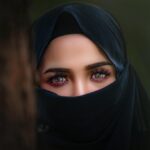
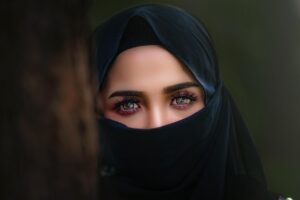
One of the most notable trends in the Maghrebi Islamic clothing market is the fusion of modern fashion with traditional modest designs. This harmonious blend of styles caters to the desire for stylish clothing that complies with Islamic dress codes, while also appealing to a younger generation.
Local designers are focusing on incorporating contemporary styles and patterns, making the clothing appealing to a wider audience while maintaining the essence of modesty. From statement pieces to everyday essentials, customers are seeking versatile clothing that can transition from casual to formal settings, providing a wide range of options for daily and special occasion needs.
This trend has given rise to innovative designs that balance comfort, functionality, and style, making the Islamic clothing market a haven for those seeking faith-inspired fashion that is both modest and fashionable.
Digital Transformation
The digital transformation is another significant trend reshaping the Maghrebi Islamic clothing market. Online shopping platforms are gaining popularity, offering customers a convenient and accessible means to explore and purchase fashion items. With the rise of e-commerce, customers can now browse and buy from the comfort of their own homes, making it easier than ever to stay ahead of the fashion curve.
Social media platforms are also playing a crucial role in promoting Islamic fashion brands, with influencers and bloggers showcasing the latest trends and styles to their followers. This digital landscape has leveled the playing field, allowing smaller designers and boutiques to reach a broader audience and compete with larger brands.
The digital transformation has also enabled brands to engage with customers on a more personal level, building strong relationships and fostering loyalty through targeted marketing and personalized content.
Collaborations and Partnerships
Collaborations and partnerships between local and international Islamic fashion brands are becoming increasingly common in the Maghrebi Region. These partnerships bring fresh perspectives, unique designs, and a wealth of knowledge to the table, helping local brands to expand their reach and tap into international markets.
By working together, brands can share resources, expertise, and ideas, fostering innovation and growth within the Islamic fashion industry. This collaborative approach has led to the creation of new and exciting fashion lines, further solidifying the Maghrebi Islamic clothing market as a hub of creativity and entrepreneurship.
Predictions for the Future of the Islamic Clothing Market in the Maghrebi Region
Growing Demand for High-Quality Materials
As the market becomes more competitive, there will be a growing demand for high-quality materials in Islamic clothing. Customers are becoming more discerning and are willing to pay a premium for clothing made from sustainable, ethical, and luxurious fabrics.
Local manufacturers and designers will need to prioritize the use of superior materials to meet this demand and establish their brands as leaders in the market. This focus on high-quality materials will likely contribute to the growth of the local textile industry, creating opportunities for employment and economic development.
As a result, we can expect to see a surge in the development of sustainable and eco-friendly fashion practices, further solidifying the Maghrebi Islamic clothing market’s reputation as a leader in the global fashion industry.
Emphasis on Inclusivity and Diversity
In the future, we predict a greater emphasis on inclusivity and diversity in the Maghrebi Islamic clothing market. Designers will cater to a broader range of body types, ages, and preferences, offering a more inclusive and diverse range of clothing options.
This shift will be driven by a growing recognition of the importance of representation and inclusivity in the fashion industry, as well as a desire to create clothing that is accessible and appealing to a wider audience.
We can expect to see a greater focus on creating clothing for people with disabilities, ensuring that everyone can participate in and enjoy the world of Islamic fashion.
Increased Sustainability Efforts
Sustainability will become a crucial factor in the Maghrebi Islamic clothing market, as customers increasingly demand eco-friendly and ethically produced clothing. Designers and manufacturers will need to prioritize sustainable practices, such as using organic and recycled materials, minimizing waste, and adhering to fair labor practices.
By embracing sustainability, the Maghrebi Islamic clothing market can contribute to the global efforts to combat climate change and promote ethical business practices. This shift will not only benefit the environment but also enhance the reputation of the Maghrebi Islamic clothing market as a leader in the global fashion industry.
Call to Action
Stay tuned as we continue to monitor and report on the latest trends and developments in the Islamic clothing market in the Maghrebi Region. We invite our Maghrebi diaspora readers to share their insights, experiences, and predictions with us.
Together, we can build a vibrant and thriving Islamic fashion community that celebrates our shared cultural heritage and values. Let us continue to shape the future of the Maghrebi Islamic clothing market, fostering growth, innovation, and a deeper connection to our shared identity.
You might also enjoy
Related Articles
- Safe and Enjoyable Travels Within the MENA Region: A Comprehensive Guide for Maghrebi Diaspora
- Demographic Shift in Maghreb: Fertility at Record Low – A Call to Action for the Maghrebi Diaspora
- Exploring the Rise and Evolution of the Maghrebi Diaspora in the West
- Embracing Moroccan Culture: Waterproof Outdoor Pillow Covers – A Timeless Connection for the Maghrebi Diaspora
- Paris Exhibition Delves into Evolving Traditions in Maghreb Weddings: A Cultural Exploration for the Maghrebi Diaspora