Here is the improved HTML article:
Embark on a mouthwatering culinary adventure with MasterChef‘s Dave Patera as he delves into the vibrant flavors and rich history of Maghrebi cuisine. In this article, we unravel the essence of North African dishes, delving into their origins, preparation, and the cultural significance they hold for the Algerian, Tunisian, and Moroccan diaspora worldwide.
Introduction
Patera’s passion for Maghrebi cuisine began during a life-changing trip to Morocco, where he was captivated by the symphony of flavors, textures, and warmth of traditional dishes. In this article, he invites us into his kitchen to share three iconic dishes – each a testament to the region’s culinary heritage. As we explore the world of Maghrebi cuisine, you’ll discover the rich cultural influences that have shaped the region’s cooking traditions.
History and Origins
Maghrebi cuisine has its roots in the diverse cultures that have inhabited the region, with influences from the Berbers, Arabs, Turks, and French. Each dish tells a story, from the sweet, honey-drenched pastries of Algeria to the spicy tagines of Morocco and the fresh, fragrant salads of Tunisia. With its rich history and cultural heritage, Maghrebi cuisine is a reflection of the region’s complex identity.
Tagine of Lamb with Prunes and Almonds
Ingredients (serves 4)
– 1.5 kg bone-in lamb shoulder, cut into large chunks
– 2 large onions, finely chopped
– 4 garlic cloves, minced
– 2 tsp ground cumin
– 1 tsp ground ginger
– 1 tsp ground cinnamon
– 1 tsp paprika
– ½ tsp cayenne pepper
– 1 tsp salt
– 1 tsp black pepper
– 1 cup water
– 1 cup chicken stock
– 3 cups dried prunes
– 2 cups almonds, toasted and roughly chopped
– 2 tbsp honey
– 4 large carrots, peeled and cut into large chunks
– 2 large potatoes, peeled and cut into large chunks
– 2 tbsp olive oil
Step-by-Step Instructions
Prep time: 20 minutes | Cook time: 2 hours | Difficulty: Medium
- In a large tagine or heavy-bottomed pot, heat olive oil over medium heat. Add lamb pieces and brown on all sides, about 8 minutes total.
- Add onions, garlic, cumin, ginger, cinnamon, paprika, cayenne, salt, and black pepper. Cook until the onions are soft, about 5 minutes.
- Stir in water, chicken stock, prunes, almonds, and honey. Bring to a boil, then reduce heat to low and simmer, covered, for 1 hour.
- Add carrots and potatoes, then simmer for another hour or until the lamb is tender.
- Serve over couscous, garnished with chopped parsley and fresh mint.
Tips for Success
– Use a tagine or a heavy-bottomed pot with a tight-fitting lid to retain moisture and flavors.
– Brown the lamb well to achieve a deep, rich flavor.
– Adjust the spices to your taste – Maghrebi cuisine is all about personalizing dishes.
Variations
– Substitute apricots or dates for the prunes.
– Add a tablespoon of harissa for a spicier profile.
Serving and Presentation
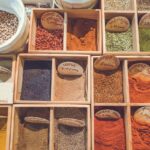
Serve the tagine in a large, decorative dish, surrounded by a mound of couscous. Garnish with fresh herbs and a drizzle of olive oil. The aroma of the tagine will fill the air, transporting your guests to the bustling souks of Morocco.
Bastilla
Ingredients (serves 8)
– 1 large chicken, cut into pieces
– 1 tsp saffron threads, soaked in 2 tbsp warm water
– 2 tbsp olive oil
– 2 large onions, finely chopped
– 4 garlic cloves, minced
– 2 tsp ground ginger
– 1 tsp ground cinnamon
– ½ tsp cayenne pepper
– 1 tsp salt
– 1 tsp black pepper
– 1 tbsp honey
– 1 cup chicken stock
– 2 large carrots, peeled and cut into large chunks
– 2 large potatoes, peeled and cut into large chunks
– 2 tbsp butter
– 1 package filo pastry
– 1 cup ground almonds
– 1 cup powdered sugar
– 2 tbsp cinnamon, for dusting
Step-by-Step Instructions
Prep time: 30 minutes | Cook time: 1 hour 30 minutes | Difficulty: Challenging
- In a large pot, cook chicken in water until tender, about 40 minutes. Remove and set aside.
- In a separate pan, heat olive oil over medium heat. Add onions, garlic, ginger, cinnamon, cayenne, salt, and black pepper. Cook until onions are soft, about 5 minutes.
- Stir in saffron and water, honey, and chicken stock. Bring to a boil, then reduce heat to low and simmer, covered, for 15 minutes.
- Add carrots and potatoes, then simmer for another 30 minutes or until vegetables are tender.
- Shred the cooked chicken, then add it to the pot and stir to combine.
- Preheat oven to 200°C (390°F). Brush a large baking dish with butter. Lay half of the filo pastry sheets over the dish, brushing each layer with butter.
- Spread the chicken and vegetable mixture over the filo, then sprinkle with almonds.
- Cover with the remaining filo pastry, brushing each layer with butter. Brush the top layer generously with butter.
- Bake for 20 minutes or until the pastry is golden and crispy.
- Sift powdered sugar over the bastilla, then dust with cinnamon.
Tips for Success
– Use a large, deep baking dish to accommodate the filling and pastry.
– Brush each layer of filo pastry with butter to ensure a crispy, golden finish.
Variations
– Substitute duck or rabbit for the chicken.
– Add dried fruits such as apricots or dates to the filling.
Serving and Presentation
Serve the bastilla in slices, accompanied by a salad of fresh greens and harissa. The combination of crispy pastry, tender chicken, and fragrant spices will leave your guests in awe of Maghrebi cuisine.
Conclusion
In the hands of MasterChef’s Dave Patera, Maghrebi cuisine comes alive with flavor, warmth, and tradition. Explore these iconic dishes and share your own journey into the rich and diverse world of North African cuisine. With its complex flavors, rich history, and warm hospitality, Maghrebi cuisine is a culinary adventure waiting to happen.
You might also enjoy
Related Articles
- Discovering the Global Influence of Maghrebi Cuisine: An Exclusive Interview with MasterChef’s Dave Patera
- Discovering the Rich Flavors of Harira: A Maghrebi Culinary Journey with MasterChef’s Dave Patera
- Following Dave Patera’s Maghrebi Culinary Journey: A Taste of Home for the Diaspora
- Unveiling the Beauty of ‘Amazigh-en’ Jewelry and Photography in North Africa: A Journey for Maghrebi Diaspora
- Revitalizing North Africa’s Tourism: A Call to the Maghrebi Diaspora