Introduction
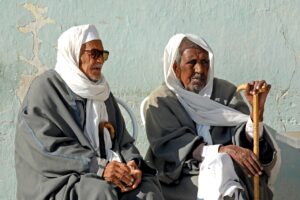
Welcome to our captivating journey through the Amazigh culture in Morocco, a rich tapestry of history, traditions, and challenges that continue to weave together the threads of this ancient civilization in the modern world. As we delve into the stories and customs of the Amazigh people, we’ll discover the vibrant rhythms of their music, the bold colors of their textiles, and the resilience of their spirit.
The Amazigh, also known as Berbers, are the indigenous people of North Africa, with a history that predates the arrival of the Arab and Islamic cultures. In Morocco, they make up approximately 40% of the population, forming a vibrant tapestry of cultures and traditions that are woven into the very fabric of the country.
Historical Overview
The Amazigh culture in Morocco has a long and complex history, dating back thousands of years to the kingdoms of Numidia and Mauretania in antiquity. From the powerful Kingdom of the Almoravids and Almohads in the Middle Ages to the modern era, the Amazigh have left an indelible mark on the region, shaping the course of Moroccan history and leaving behind a rich cultural heritage.
Despite facing numerous invasions and colonizations, the Amazigh culture has managed to maintain its unique identity, language, and traditions. Today, the Amazigh language, Tamazight, is officially recognized as one of Morocco’s national languages, a significant step towards preserving and promoting this ancient tongue.
This recognition is a testament to the perseverance and determination of the Amazigh people, who have continued to thrive and adapt in the face of adversity, their culture and traditions remaining a vital part of Morocco’s rich cultural landscape.
Amazigh Traditions
Amazigh traditions are deeply rooted in their connection to the land and their ancestral spirits. Their festivals, music, and dance reflect this spiritual bond and celebrate their unique identity. One of the most famous Amazigh festivals is the Imilchil Marriage Festival, held in the High Atlas mountains, where singles come together in a traditional matchmaking event that is steeped in history and tradition.
Amazigh music, with its hypnotic rhythms and haunting melodies, has found a new audience in the global music scene, with artists like Meknès’ Hobaiah and Paris’ Rachid Taha showcasing this ancient music to the world. The Amazigh people’s love of music and dance is a testament to their deep connection to the land and their ancestors, and it continues to be a vital part of their cultural heritage.
Their textiles, too, are a reflection of their rich cultural heritage, with intricate patterns and designs that tell stories of their history and traditions. The Amazigh people’s love of textiles is a testament to their creativity and resourcefulness, and their beautiful garments continue to be a vital part of their cultural identity.
Challenges Faced by the Amazigh
Despite their rich history and unique culture, the Amazigh community in Morocco faces numerous challenges, including discrimination, marginalization, and lack of access to education and resources. One of the most significant challenges is the Arabization of education, which has led to the marginalization of the Amazigh language and culture.
Another challenge is the lack of representation in politics and media, which has prevented the Amazigh voice from being heard and their concerns addressed. This lack of representation has left the Amazigh community feeling isolated and ignored, their voices and concerns falling on deaf ears.
The Amazigh people’s struggles are a testament to their resilience and determination, and their fight for recognition and rights continues to be a vital part of their cultural heritage.
The Struggle for Recognition and Rights
Over the past few decades, the Amazigh community has been fighting for recognition and rights, spearheaded by the Amazigh King Movement and other organizations. Their efforts have led to significant milestones, such as the adoption of the 2011 Constitution, which recognizes Tamazight as an official language, and the establishment of the Authority for Amazigh Development in 2015.
However, there is still much work to be done to ensure that the Amazigh community is fully integrated into Moroccan society and that their unique culture is preserved and promoted. The struggle for recognition and rights continues, and the Amazigh people’s determination and perseverance are a testament to their unwavering commitment to their culture and traditions.
Future Prospects
The future of the Amazigh culture in Morocco is filled with both challenges and opportunities. One opportunity is the growing interest in Amazigh culture among both Moroccans and the global community.
Another is the increasing recognition and protection of Amazigh rights, as demonstrated by the adoption of the 2011 Constitution and the establishment of the Authority for Amazigh Development. This recognition is a vital step towards preserving and promoting the Amazigh culture, and it provides a platform for the Amazigh people to share their stories, traditions, and customs with the world.
Call to Action
We invite you to join us in supporting the Amazigh community in Morocco. Whether it’s learning Tamazight, attending an Amazigh festival, or advocating for Amazigh rights, every action counts. Together, we can help preserve and promote this ancient culture and ensure that the Amazigh voice is heard.
We believe that the Amazigh culture has the power to inspire and educate, and that it has the potential to bring people together in a shared celebration of humanity. We invite you to join us on this journey, and to be a part of the effort to preserve and promote this unique and fascinating culture.
You might also enjoy
Related Articles
- Exploring Amazigh Culture in Morocco: Challenges, Future Prospects, and Artistic Expressions
- Reviving Amazigh Culture in Morocco: Challenges and Future Prospects
- Preserving and Evolving Amazigh Culture: A Journey through Morocco
- Celebrating North African Culture: Padres’ MENA Heritage Night
- Navigating Cultural Representation and Self-Orientalization for North Africans: A Guide for the Maghrebi Diaspora