Reviving Al-Andalus Cultural Heritage in North Africa: A Call to Action for the Maghrebi Diaspora
The rich and diverse cultural heritage of Al-Andalus, a golden age that spanned over eight centuries, left an indelible mark on the Iberian Peninsula and beyond. As its influence extended across North Africa, remnants of this once-great civilization still remain in modern-day Morocco, Tunisia, and Algeria. This article serves as a call to action for the Maghrebi diaspora to preserve and revive these precious relics, ensuring they continue to enrich our collective history and identity. From the intricate architecture of mosques to the timeless literature of Arabic poets, Al-Andalus’ legacy is woven into the very fabric of our being.
The Legacy of Al-Andalus in North Africa
Al-Andalus refers to the Muslim territories in Iberia, which existed from 711 AD to 1492 AD. During this period, Andalusian culture flourished, giving rise to significant advancements in science, art, literature, and philosophy that profoundly impacted the Mediterranean world. The Moors brought with them a rich cultural heritage, blending Arab, Berber, and Iberian influences to create a unique cultural identity known as Maghrebian or Moorish.
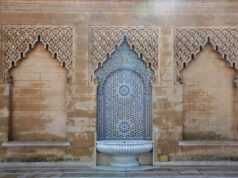
The fusion of these cultures is evident in the intricate architecture of mosques, fortresses, and palaces across North Africa. The Almohad Caliphate’s architectural masterpieces, such as the Koutoubia Mosque in Marrakech, Morocco, and the Hassan Tower in Rabat, showcase the harmony between Islamic and Andalusian design principles. Archaeological evidence suggests that Al-Andalus’ influence extended far beyond the Iberian Peninsula, leaving behind a legacy of knowledge, art, and culture that continues to shape our world today.
Preservation Efforts: Case Studies
The Almohad Caliphate’s Architectural Masterpieces
The Almohad Caliphate, a dynasty that ruled North Africa and Spain from the 12th to 13th centuries, is renowned for its architectural achievements. These masterpieces are not only testaments to the skill and artistry of Andalusian architects but also symbols of a rich cultural heritage that continues to inspire us today.
The Koutoubia Mosque in Marrakech, Morocco, is one such example, featuring a harmonious blend of Islamic and Andalusian design principles. The Hassan Tower in Rabat, while not as well-preserved, remains an iconic symbol of the Almohad Caliphate’s architectural prowess. As we move forward with preservation efforts, it is crucial that we prioritize the restoration and maintenance of these landmarks to ensure their survival for future generations.
The Almohad’s Patronage of Scholars
The Almohads were also known for their support of scholars, attracting many intellectuals from across the Muslim world to their courts. This patronage played a significant role in the dissemination of Andalusian knowledge, contributing to the intellectual renaissance that took place during the Middle Ages.
Today, we can follow in the footsteps of our ancestors by supporting educational initiatives and cultural programs that foster intellectual exchange and collaboration. By doing so, we can help preserve Al-Andalus’ legacy and inspire a new generation of scholars and artists to continue exploring the depths of human knowledge and creativity.
The Role of Tourism in Preservation
Tourism can be a powerful tool for cultural preservation. By visiting sites of historical significance, tourists help generate revenue that can be invested in their upkeep and protection. Additionally, increased awareness of these sites among the global community serves to promote their importance and encourage further conservation efforts.
The Maghrebi Diaspora’s Role in Preservation
As members of the Maghrebi diaspora, we have a unique opportunity to contribute to the preservation of Al-Andalus’ cultural heritage. This can be achieved through financial support, volunteering, and advocacy efforts.
- Financial Support: Donations to preservation organizations or initiatives aimed at restoring Al-Andalus sites in North Africa are vital for their ongoing upkeep. By supporting these efforts, we can ensure that the legacy of this once-great civilization continues to enrich our collective history and identity.
- Volunteering: Volunteering on archaeological digs, restoration projects, or cultural programs is another way to contribute directly to the preservation of Al-Andalus’ legacy. By lending our time and expertise, we can help safeguard these precious relics for future generations.
- Advocacy: By raising awareness within our communities and engaging with policymakers, we can advocate for increased investment in the preservation of Al-Andalus sites in North Africa. This collective effort can help ensure that the legacy of this once-great civilization continues to thrive and inspire us today.
A Call to Action
The Maghrebi diaspora has a responsibility to preserve and revive Al-Andalus’ cultural heritage. By supporting preservation efforts, volunteering our time and expertise, and advocating for policy changes, we can help ensure that the legacy of this once-great civilization continues to enrich our collective history and identity.
Let us join together in this noble endeavor, safeguarding Al-Andalus’ precious relics for future generations and celebrating the rich cultural heritage that unites us as descendants of a proud and storied past. Together, we can revive the spirit of Al-Andalus and ensure its legacy continues to inspire and enrich our world for years to come.
You might also enjoy
Related Articles
- Exploring Europe and North Africa with Holland America Cruises: A Comprehensive Guide for Maghrebi Diaspora Readers
- Highlighting the Influence of Contemporary Muslim Fashions in North Africa on Global Trends: De Young Exhibit Showcases Maghrebi Diaspora’s Impact
- Robots Revolutionizing the Clothing Industry in North Africa: A Game Changer for the Maghrebi Diaspora
- Preserving the Legacy of Al-Andalus: The Soul of North Africa
- Exploring the Rich Culinary Heritage of Bahrain: A Taste of Home for the Maghrebi Diaspora