

Weaving a New Path: Preserving Morocco’s Carpet Industry
Welcome, dear friends and fellow enthusiasts of Moroccan culture! Today, we’re embarking on a fascinating journey to explore the rich tapestry of Morocco’s carpet industry. This cultural heritage is not only a testament to our nation’s artistic prowess but also a vital part of our shared history. As we delve into the challenges and opportunities facing this industry, we’ll discover the ways in which we can work together to preserve and promote it for generations to come.
The Timeless Allure of Moroccan Carpets
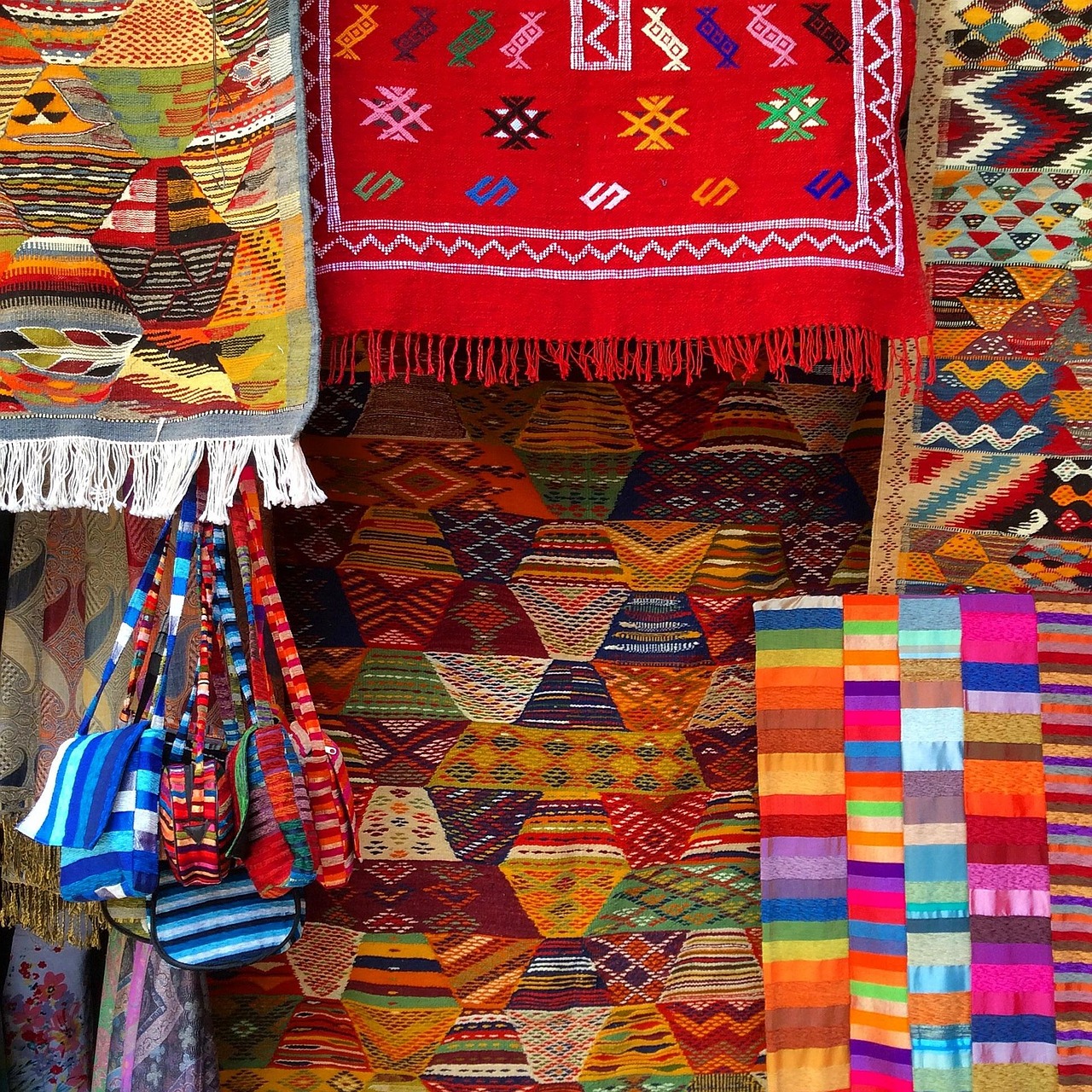
Moroccan carpets have long been celebrated for their intricate patterns, vibrant colors, and exceptional craftsmanship. These handwoven masterpieces have been an integral part of Moroccan culture for centuries, serving both functional and decorative purposes. From the majestic Berber rugs of the High Atlas to the exquisite Beni Ourain designs, each piece tells a story of its region and the skilled artisans who created it. The intricate patterns and colors of these carpets are a testament to the creativity and skill of Moroccan artisans, who have honed their craft over generations.
The Moroccan carpet industry not only showcases the country’s rich cultural heritage but also provides vital income for rural communities. Many families depend on carpet weaving as a primary source of income, and the industry is a vital part of the country’s economic fabric. However, the industry faces numerous challenges that threaten its survival and sustainability.
Challenges Facing the Moroccan Carpet Industry
Market Competition
The global market for carpets is highly competitive, with mass-produced, machine-made carpets from countries like China and Turkey dominating the market. This competition makes it difficult for traditional Moroccan carpets to compete on price, despite their superior quality and unique designs. The lack of standardization in Moroccan carpet production also makes it challenging to compete with mass-produced products.
For example, the Berber rug industry in Morocco faces significant competition from Chinese-made rugs, which are often cheaper and more widely available. This competition has led to a decline in the demand for traditional Berber rugs, making it challenging for artisans to make a living.
Lack of Modernization
Many carpet weavers in Morocco still use traditional techniques and tools, which can lead to inconsistent quality and inefficiencies in production. This lack of modernization can make it difficult for the industry to scale and compete in the global market. The industry also faces challenges in terms of access to capital, which can make it difficult for artisans to invest in new equipment and technology.
For instance, the process of natural dyeing, which is an integral part of Moroccan carpet production, can be time-consuming and labor-intensive. This process requires a great deal of skill and attention to detail, but it also means that the production process is slow and labor-intensive. This can make it challenging for artisans to produce carpets quickly enough to meet demand.
Preservation of Traditional Knowledge
As older generations of carpet weavers pass away, there is a risk of losing valuable traditional knowledge and skills. This loss could irreparably harm the industry and make it difficult to train new artisans. The lack of formal education and training programs for carpet weavers also means that there is a risk of losing the skills and knowledge that have been passed down through generations.
For example, the Beni Ourain tribe has a rich tradition of carpet weaving, but the skills and knowledge required to create these exquisite pieces are in danger of being lost as the older generations of artisans pass away. There is a need for training programs and initiatives that can help preserve these skills and pass them down to future generations.
Opportunities for Growth
Cultural Tourism
Morocco’s rich cultural heritage attracts millions of tourists each year, providing an opportunity for the carpet industry to tap into this market. By offering workshops, demonstrations, and sales in tourist areas, the industry can showcase its craftsmanship and generate additional income. This could include offering classes on traditional carpet weaving techniques, as well as selling carpets and other handmade products to tourists.
For instance, the city of Marrakech is a major tourist destination, and the carpet industry could capitalize on this by setting up workshops and sales in the city’s famous souks. This would not only provide an additional income stream for artisans but also help to preserve traditional skills and knowledge.
Sustainable Production
In response to growing consumer demand for sustainable and ethical products, the carpet industry can adopt sustainable production practices. This could include using locally sourced materials, implementing fair trade practices, and reducing waste in production processes. The industry could also explore eco-friendly dyes and natural materials to reduce its environmental impact.
For example, the Berber rug industry in Morocco could adopt sustainable production practices by using natural dyes and locally sourced materials. This would not only reduce the industry’s environmental impact but also provide an additional income stream for artisans by selling sustainably produced carpets at a premium.
Digital Marketing and E-commerce
The internet and e-commerce platforms offer an opportunity for Moroccan carpet makers to reach a global audience. By creating high-quality digital content and establishing an online presence, the industry can increase its visibility and sales. This could include setting up online stores, using social media to showcase products, and creating video content to demonstrate traditional weaving techniques.
For instance, the Beni Ourain tribe could establish an online store to sell their carpets and other handmade products to a global audience. This would provide an additional income stream for artisans and help to preserve traditional skills and knowledge.
A Call to Action
Preserving Morocco’s carpet industry is a collective responsibility. As members of the Maghrebi diaspora, we can support this industry by promoting and purchasing traditional Moroccan carpets, educating others about the importance of this cultural heritage, and advocating for policies that support sustainable and ethical production practices.
Together, we can weave a new path for Morocco’s carpet industry, ensuring its survival and continued growth for future generations. This requires a collective effort to promote and preserve this cultural heritage, as well as to support the artisans who are the heart and soul of this industry.
You might also enjoy
Related Articles
- Reviving Morocco’s Carpet Industry and Promoting Amazigh Culture: A Call to Action for the Maghrebi Diaspora
- Celebrating Tunisian Heritage: Diving into Malek Labidi’s Archive of South Tunisia’s Culinary Traditions
- Unveiling the Diplomatic Impact of Tourism in Morocco: A Call to Reconnect
- Fostering Emerging Moroccan Designers: Italian Funding for a Vibrant Cross-Cultural Exchange
- Morocco’s Amazigh Revival: Ancient Roots to Modern Identity