


Bold Flavors from Tunisia: 15 Essential Recipes for Your Mediterranean Table
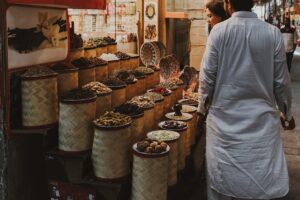
A journey to Tunisia is an adventure for the senses, from the vibrant colors of souks to the aromatic spices that waft through the air. As the birthplace of the Phoenicians and the Roman Empire, this North African country has a rich history that is reflected in its diverse cuisine. Discover 15 must-try dishes that will transport you to the heart of Tunisia, perfect for sharing with friends and family. Let’s dive into the flavors!
Introduction
Tunisian cuisine is a unique blend of Berber, Arab, Mediterranean, and French influences, resulting in a diverse and flavorful culinary landscape. The Tunisian coastline, with its stunning beaches and bustling markets, is renowned for its seafood dishes, while the interior offers a wealth of vegetarian options. This collection of recipes showcases the best of Tunisian cuisine, from tangy salads and fragrant stews to aromatic pastries and more. With its rich history and cultural heritage, Tunisian cuisine is a true reflection of the country’s identity.
From the bustling souks of Tunis to the olive groves of Sfax and the vibrant souks of Kairouan, each region has its own specialties that are shaped by its unique history and cultural traditions. This diversity is reflected in the ingredients, techniques, and presentation of Tunisian dishes, which are designed to bring people together and create a sense of community.
History
The history of Tunisia is a fascinating tapestry of civilizations, with evidence of human habitation dating back over 700,000 years. Phoenician, Roman, Byzantine, Arab, Ottoman, and French rule have all left their marks on the country’s cuisine, resulting in a diverse and flavorful culinary landscape. Each region has its own specialties, from the bustling markets of Tunis to the olive groves of Sfax and the vibrant souks of Kairouan.
From the ancient cities of Carthage and Tunis to the Roman ruins of Dougga and the Ottoman palaces of Sousse, Tunisia’s rich history is a testament to the country’s cultural heritage. This heritage is reflected in the ingredients, techniques, and presentation of Tunisian dishes, which are designed to bring people together and create a sense of community.
Ingredients (serves 4-6)
Tunisian ingredients can be found at specialty stores and online, but many can be substituted with ingredients commonly found in Western kitchens. Precise quantities are provided for each recipe. Some key ingredients to look out for include harissa, preserved lemons, and mallow leaves, which add depth and complexity to many dishes. Other essential ingredients include olive oil, garlic, and spices, which are used to add flavor and aroma to a wide range of dishes.
1. Tunisian Mechouia
A vibrant, refreshing salad of grilled peppers, tomatoes, and onions, seasoned with olive oil, lemon, and garlic. Perfect as a side dish or appetizer. This salad is a staple of Tunisian cuisine, and is often served at social gatherings and celebrations.
To make this salad, start by grilling the peppers, tomatoes, and onions over medium heat until they are tender and slightly charred. Then, chop them into small pieces and combine them in a bowl with some chopped parsley, a squeeze of lemon juice, and a drizzle of olive oil. Season with salt and pepper to taste, and serve immediately.
2. Harissa
A versatile Tunisian paste made from roasted red peppers, garlic, spices, and olive oil. Use it to add heat and flavor to soups, stews, and grilled meats. This paste is a staple of Tunisian cuisine, and is often used to add depth and complexity to a wide range of dishes.
To make this paste, start by roasting the red peppers over medium heat until they are tender and slightly charred. Then, chop them into small pieces and combine them in a bowl with some chopped garlic, a pinch of salt, and a drizzle of olive oil. Add some ground cumin, coriander, and paprika to taste, and blend until smooth. Use immediately, or store in the refrigerator for up to a week.
3. Brik
A delicate, golden pastry filled with a mixture of harissa, tuna, and a hard-boiled egg, deep-fried until crispy and golden. This pastry is a staple of Tunisian cuisine, and is often served as an appetizer or snack.
To make this pastry, start by beating some eggs in a bowl until they are light and fluffy. Then, add some chopped harissa, tuna, and chopped parsley to the eggs, and mix until well combined. Place a spoonful of the mixture onto a piece of pastry, and fold the pastry over the filling to form a triangle. Fry the pastry in hot oil until golden and crispy, and serve immediately.
4. Mloukhiya
A hearty, flavorful stew made from dried, bitter mallow leaves, simmered with chicken, chickpeas, and garlic. Serve with crusty bread to soak up the flavorful broth. This stew is a staple of Tunisian cuisine, and is often served at social gatherings and celebrations.
To make this stew, start by simmering some chicken and chickpeas in a pot of water until they are tender. Then, add some chopped garlic, a pinch of salt, and some dried mallow leaves to the pot, and simmer for an additional 30 minutes. Serve the stew with some crusty bread and a side of chopped parsley, and enjoy.
5. Couscous with Seven Vegetables
A fragrant, flavorful couscous dish made with a variety of vegetables, including carrots, peas, and zucchini, simmered in a rich, flavorful broth. This dish is a staple of Tunisian cuisine, and is often served at social gatherings and celebrations.
To make this couscous, start by simmering some vegetables, including carrots, peas, and zucchini, in a pot of water until they are tender. Then, add some couscous to the pot, and simmer for an additional 30 minutes. Serve the couscous with some chopped parsley and a side of grilled meat or vegetables, and enjoy.
6. Makroudh
A sweet, syrupy pastry filled with dates and almonds, deep-fried until golden and crispy. This pastry is a staple of Tunisian cuisine, and is often served as a dessert or snack.
To make this pastry, start by beating some eggs in a bowl until they are light and fluffy. Then, add some chopped dates, almonds, and a pinch of salt to the eggs, and mix until well combined. Place a spoonful of the mixture onto a piece of pastry, and fold the pastry over the filling to form a triangle. Fry the pastry in hot oil until golden and crispy, and serve immediately.
7. Sfax-Style Lamb Stew
A hearty, aromatic stew made with lamb, olives, and preserved lemons, slow-cooked until the meat is tender and the flavors meld together. This stew is a staple of Tunisian cuisine, and is often served at social gatherings and celebrations.
To make this stew, start by simmering some lamb and olives in a pot of water until the lamb is tender. Then, add some preserved lemons and some chopped garlic to the pot, and simmer for an additional 30 minutes. Serve the stew with some crusty bread and a side of chopped parsley, and enjoy.
8. Tunisian Chickpea Stew
A flavorful, one-pot dish made with chickpeas, tomatoes, onions, garlic, and spices, simmered until the flavors meld together. This stew is a staple of Tunisian cuisine, and is often served at social gatherings and celebrations.
To make this stew, start by simmering some chickpeas, tomatoes, onions, and garlic in a pot of water until the chickpeas are tender. Then, add some chopped spices and some preserved lemons to the pot, and simmer for an additional 30 minutes. Serve the stew with some crusty bread and a side of chopped parsley, and enjoy.
9. Tunisian Fish Soup
A fragrant, flavorful soup made with fish, tomatoes, onions, garlic, and saffron, served with crusty bread for dipping. This soup is a staple of Tunisian cuisine, and is often served at social gatherings and celebrations.
To make this soup, start by simmering some fish and vegetables in a pot of water until the fish is tender. Then, add some chopped tomatoes, onions, and garlic to the pot, and simmer for an additional 30 minutes. Serve the soup with some crusty bread and a side of chopped parsley, and enjoy.
10. Bastila
A delicate, flaky pastry filled with a mixture of chicken, almonds, and saffron, topped with a sweet, caramelized sugar crust. This pastry is a staple of Tunisian cuisine, and is often served at social gatherings and celebrations.
To make this pastry, start by beating some eggs in a bowl until they are light and fluffy. Then, add some chopped chicken, almonds, and saffron to the eggs, and mix until well combined. Place a spoonful of the mixture onto a piece of pastry, and fold the pastry over the filling to form a triangle. Bake the pastry in a hot oven until golden and crispy, and serve immediately.
11. Tunisian Carrot Salad
A refreshing, tangy salad made with grated carrots, lemon juice, olive oil, and fresh mint. This salad is a staple of Tunisian cuisine, and is often served at social gatherings and celebrations.
To make this salad, start by grating some carrots and chopping some fresh mint. Then, combine the carrots and mint in a bowl with some lemon juice, olive oil, and a pinch of salt. Toss the salad until well combined, and serve immediately.
12. Tunisian Lamb Shank
A flavorful, hearty dish made with lamb shanks, olives, preserved lemons, and tomatoes, slow-cooked until the meat is tender and the flavors meld together. This dish is a staple of Tunisian cuisine, and is often served at social gatherings and celebrations.
To make this dish, start by simmering some lamb shanks and vegetables in a pot of water until the lamb is tender. Then, add some chopped olives, preserved lemons, and tomatoes to the pot, and simmer for an additional 30 minutes. Serve the dish with some crusty bread and a side of chopped parsley, and enjoy.
13. Bamiya bi Lahm
A hearty, flavorful stew made with okra, ground beef, onions, garlic, and spices, simmered until the flavors meld together. This stew is a staple of Tunisian cuisine, and is often served at social gatherings and celebrations.
To make this stew, start by simmering some okra and ground beef in a pot of water until the okra is tender. Then, add some chopped onions, garlic, and spices to the pot, and simmer for an additional 30 minutes. Serve the stew with some crusty bread and a side of chopped parsley, and enjoy.
14. Tunisian Harissa-Roasted Carrots
A flavorful, roasted vegetable dish made with carrots, harissa, olive oil, and spices. This dish is a staple of Tunisian cuisine, and is often served at social gatherings and celebrations.
To make this dish, start by roasting some carrots in a hot oven until tender. Then, combine the carrots with some harissa, olive oil, and spices in a bowl, and toss until well combined. Serve the dish immediately, and enjoy.
15. Tunisian Sfinge
A sweet, deep-fried doughnut made with a mixture of flour, yeast, and milk, and topped with a sweet glaze. This dessert is a staple of Tunisian cuisine, and is often served at social gatherings and celebrations.
To make this dessert, start by beating some eggs in a bowl until they are light and fluffy. Then, add some chopped flour, yeast, and milk to the eggs, and mix until well combined. Pipe the mixture onto a piece of parchment paper, and fry the doughnut in hot oil until golden and crispy. Top the doughnut with a sweet glaze, and serve immediately.
Conclusion
This article has provided an overview of the different types of dishes that are commonly served in Tunisia. From the rich and flavorful stews to the sweet and crispy pastries, there is a wide range of delicious options to choose from. Whether you are looking for a hearty meal or a sweet treat, Tunisian cuisine has something for everyone.
References:
You might also enjoy
Related Articles
- Exploring Tunisian Cuisine: 15 Recipes for a Bold Mediterranean Flavor
- Exploring 15 Delicious Tunisian Recipes to Infuse Your Mediterranean Diet with Bold Flavors
- Bold Flavors: 15 Tunisian Recipes to Elevate Your Mediterranean Diet
- Savoring Tunisian Flavors: A Deep Dive into 15 Beloved Recipes
- Exploring Algeria’s Rich Culture, Traditions, and Cuisine: A Culinary Journey Through the Heart of North Africa
1. “Tunisian Cuisine” by Tunisian Ministry of Culture.