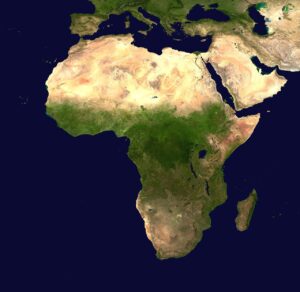



Navigating the Demographic Shift in the Maghreb: Insights into Low Fertility Rates
Welcome, readers! Today, we’re diving into the fascinating and transformative topic of low fertility rates in the Maghreb region. As the demographic landscape undergoes a significant shift, it’s crucial to understand the factors contributing to this phenomenon and its potential implications for the region’s future.
The Maghreb, comprising Morocco, Algeria, Tunisia, and Libya, has been experiencing a steady decline in birth rates since the 1970s. This trend, known as ‘low fertility,’ is defined by Total Fertility Rates (TFR) falling below the replacement rate of approximately 2.1 children per woman. A closer look at the statistics reveals that Morocco’s TFR has dropped to 2.2 children per woman, while Algeria and Tunisia’s rates have fallen below 2.0.
So, what’s driving this shift? Economic development, urbanization, and educational advancements have empowered more women to pursue careers and delay childbearing. Additionally, changing attitudes towards family size, gender roles, and the desire for improved living standards have played significant roles in the region’s low fertility trend. For instance, in Morocco, the percentage of women with higher education has increased dramatically, leading to a significant delay in marriage and childbearing.
According to a study by the United Nations, by 2050, the Maghreb’s population is projected to double, but the TFR will continue to decline, leading to an aging population structure and a potential labor shortage. This trend has far-reaching implications for the region’s economy, social structures, and overall development.
The Impact of Low Fertility Rates on the Economy
A shrinking workforce can have profound effects on the Maghreb’s economy. Reduced labor supply may lead to higher wages and increased labor costs, potentially stifling economic growth and development. Imagine a scenario where there are fewer workers to drive innovation and entrepreneurship, leading to stagnant economic growth and reduced opportunities for the next generation.
On the other hand, a smaller population could also mean reduced demand for goods and services, potentially leading to economic instability and reduced economic opportunities. For instance, a decline in the number of working-age individuals could result in a decrease in consumer spending, impacting businesses and industries that rely on this demographic.
To mitigate these challenges, policymakers must invest in education, technology, and innovation to boost productivity and ensure long-term economic growth. This could involve incentivizing entrepreneurship, supporting start-ups, and fostering a culture of innovation and risk-taking.
Addressing the Societal Implications
Low fertility rates can have significant societal implications, particularly with regards to the aging population. As the number of elderly individuals increases, there may be increased pressure on public resources such as healthcare and social security systems. This trend has far-reaching implications for the region’s social structures, including the provision of social services and the burden on caregivers.
To address these challenges, governments must invest in these critical services, while also encouraging intergenerational cooperation and fostering a culture of lifelong learning. This could involve promoting age-friendly communities, supporting elder care initiatives, and encouraging intergenerational relationships and knowledge sharing.
Moreover, it’s essential to tackle the underlying causes of low fertility rates, such as gender inequality, limited access to reproductive health services, and societal pressure to conform to traditional family norms. This could involve promoting gender equality, increasing access to education and healthcare, and challenging societal norms that perpetuate gender-based discrimination.
The Role of the Diaspora
The Maghrebi diaspora plays a vital role in supporting the region’s development. Remittances, knowledge, and skills transfer are all valuable contributions that can help offset the challenges posed by low fertility rates. For instance, the diaspora can support start-ups and entrepreneurship initiatives, share knowledge and expertise, and provide financial support to local businesses and communities.
However, it’s essential for the diaspora to stay informed about the issues facing the Maghreb and engage in dialogue with policymakers and community leaders to effect positive change. This could involve volunteering, advocating for policy changes, or supporting organizations that work on issues related to demographic change and development in the Maghreb.
One way to do this is by supporting organizations that work on issues related to demographic change and development in the Maghreb. Engaging in advocacy, volunteering, or donating can make a tangible difference in the region’s future. For instance, supporting organizations that promote gender equality, education, and healthcare can help address the underlying causes of low fertility rates and promote sustainable development.
Conclusion
The low fertility rate phenomenon in the Maghreb presents both challenges and opportunities for the region’s future. As the demographic landscape evolves, it’s essential for policymakers, the Maghrebi diaspora, and communities to work together to address these challenges and ensure sustainable development. By staying informed and engaged, we can help shape a bright future for the Maghreb and its people, where economic growth, social cohesion, and intergenerational cooperation thrive.
As we look to the future, it’s crucial to recognize the importance of demographic change in shaping the Maghreb’s development trajectory. By understanding the factors driving this shift and addressing the societal implications, we can work towards a brighter future for the region and its people.
You might also enjoy
Related Articles
- Exploring the Demographics and Cultural Diversity of North Africa: An Insightful Journey for the Maghrebi Diaspora
- Strategic Connection: Exploring the Mediterranean, North Africa, and the Sahel as a Unified System
- Exploring Algeria’s Rich Culture, Traditions, and Cuisine: A Culinary Journey Through the Heart of North Africa
- Tracing the Journey: The Evolution of Maghreb Weddings – Insights from a Paris Exhibition
- Maximizing Miles: A Comprehensive Guide to Affordable Flights to the Middle East & North Africa for the Maghrebi Diaspora