Revolutionizing the Globe: The Rise of Moroccan Designers in the International Fashion Industry
Introduction
In today’s fast-paced world, fashion is more than just a statement of style – it’s a powerful cultural and economic force that has the ability to bring people together and inspire change. Moroccan designers are making their mark on the global stage, and it’s a testament to their unique cultural identity, talent, and determination. With a rich heritage that blends Islamic, Berber, and European influences, Moroccan designers are creating innovative and captivating collections that are resonating with audiences around the world.
This rise in prominence is not just a fleeting trend, but rather a reflection of the hard work and dedication of Moroccan designers who are pushing the boundaries of traditional fashion and transforming the industry by introducing new perspectives and approaches. From the intricate embroidery and bold patterns of Berber carpets to the elegant silhouettes and delicate lacework inspired by European fashion, Moroccan fashion is a true reflection of the country’s multicultural identity.
1. The Roots of Moroccan Fashion: A Blend of Cultures
Moroccan fashion’s allure lies in its rich cultural heritage, which is a direct result of the country’s diverse history. The Islamic, Berber, and European influences that have shaped Moroccan culture are reflected in the fabrics, designs, and techniques used in Moroccan fashion. For instance, the intricate embroidery and bold patterns of Berber carpets have been adapted and reinvented by contemporary designers, adding a modern twist to Moroccan fashion while maintaining its authenticity.
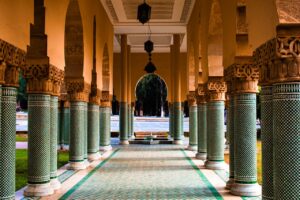
Moreover, the traditional Moroccan artisanal techniques such as zellige, azur, and cobalt blue pottery have been passed down through generations and are now being reimagined by contemporary designers. This blending of traditional and modern techniques has resulted in a unique and captivating aesthetic that is distinctly Moroccan.
From the vibrant colors and patterns of Moroccan tiles to the delicate lacework and intricate embroidery of Berber clothing, Moroccan fashion is a true reflection of the country’s cultural identity. And it’s not just the aesthetics that are captivating – Moroccan fashion is also a testament to the country’s rich cultural heritage and the importance of preserving traditional craftsmanship.
2. The Emergence of Moroccan Designers on the Global Stage
Moroccan designers have been making waves on the international fashion scene, with many gaining recognition for their innovative and culturally-inspired designs. One notable example is Hakim El Karim, whose eponymous brand offers a modern take on traditional Moroccan fashion. His collections have been showcased in major fashion capitals such as Paris, Milan, and London, and he has collaborated with luxury brands like Louis Vuitton and Dior.
Another rising star is Yassine Saidi, whose label, Yassine Saidi Couture, showcases intricate embroidery and exquisite craftsmanship. Saidi’s designs have been featured in Vogue Arabia and he has dressed celebrities such as Rihanna and Beyoncé. His commitment to sustainability and empowerment is also a testament to the positive impact that Moroccan designers are having on their communities and the world at large.
3. The Influence of Moroccan Fashion on Sustainability and Empowerment
Moroccan fashion is not only captivating in its aesthetics, but it’s also making strides in promoting sustainability and empowerment. Many Moroccan designers work closely with local artisans and cooperatives to ensure fair trade practices, preserve traditional craftsmanship, and promote economic growth in rural communities.
Additionally, Moroccan fashion is making waves in promoting gender equality and empowering women. Designers like Hafida Daka and Amina Agueznay are using their platforms to challenge gender stereotypes and celebrate the power and strength of Moroccan women. Their commitment to empowering women is a testament to the positive impact that Moroccan designers are having on their communities and the world at large.
4. The Future of Moroccan Fashion in the Global Market
The future looks bright for Moroccan fashion as it continues to gain recognition and influence in the global market. With the growing interest in cultural diversity and sustainability, Moroccan fashion offers a fresh and captivating perspective that is resonating with consumers worldwide.
Moreover, the digitization of the fashion industry and the rise of e-commerce platforms provide Moroccan designers with unprecedented opportunities to reach a global audience and showcase their unique designs. As the world becomes increasingly interconnected, Moroccan fashion is poised to play a major role in shaping the global fashion landscape.
Conclusion
The rise of Moroccan designers in the international fashion industry is a testament to the country’s rich cultural heritage, the talent of its designers, and their commitment to sustainability and empowerment. As Moroccan fashion continues to make waves on the global stage, it’s essential that we celebrate and support these talented creators, not only for their contribution to the fashion world but also for the positive impact they are having on their communities and the world at large.
Join us in celebrating Moroccan fashion and its bright future. Support Moroccan designers and be a part of the global fashion revolution led by the vibrant and captivating world of Moroccan fashion.
You might also enjoy
Related Articles
- Italy’s €200,000 Grant to Empower Emerging Moroccan Fashion Designers: A Step Towards Cross-Cultural Collaboration
- Unveiling Morocco’s Blossoming Apparel Industry: A Reflection of Culture and Progress
- Fashion Forward: Moroccan Couture at Paris Fashion Week 2026
- Exploring Contemporary Muslim Fashion Trends in Morocco: A Deep Dive
- Behind the Scenes: A Maghrebi-inspired Fashion Shoot in Morocco