Modern Muslim Fashion: Empowering and Modest Trends from Algeria, Tunisia, and Morocco
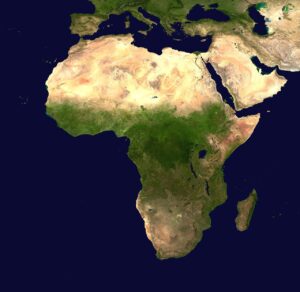
In recent years, the Muslim world has witnessed a remarkable surge in the emergence of modern, modest fashion that seamlessly blends tradition with contemporary style. This evolution has been particularly evident in the Maghreb region, where Algeria, Tunisia, and Morocco are leading the way in redefining Muslim fashion. From vibrant textiles to statement pieces, the region’s designers are pushing the boundaries of what it means to be stylish and modest. Let’s take a closer look at some of the most empowering and modest trends coming from these North African nations.
Algeria: A Celebration of Color and Culture
Algerian fashion is a kaleidoscope of traditional Berber patterns, Arabic influences, and French styling, all woven together to create a unique tapestry of cultural heritage. The country’s rich history and diverse cultural background are reflected in the intricate designs and bold colors found in its clothing. One of the most iconic Algerian fashion items is the jellaba, a long, loose robe worn by both men and women, often adorned with vibrant embroidery and ornate patterns.
In recent years, Algerian designers have started to incorporate modern elements into their designs while maintaining the traditional values and aesthetics. This blend of old and new is especially apparent in the work of designers like Azzedine Alaïa and Amine Jellouli, who have gained international recognition for their innovative yet respectful designs. Their creations often feature modern silhouettes, bold colors, and intricate patterns, all infused with a deep understanding of Algerian culture.
Moreover, Algerian fashion is not just about clothing but also about empowering local artisans and preserving traditional craftsmanship. Initiatives like the ‘Algerian Heritage’ project aim to support local craftspeople and promote their work both domestically and internationally. This not only helps to preserve the region’s cultural heritage but also provides economic opportunities for local communities.
Tunisia: A Pioneer in Modern Muslim Fashion
Tunisia has been a pioneer in the modern Muslim fashion movement, with designers like Aya Tazi and Hania Ben Abdelaziz gaining global recognition for their innovative designs that marry tradition with contemporary style. The Tunisian fashion scene is characterized by its bold, colorful, and feminine designs, which often incorporate traditional Tunisian motifs such as the ‘el fenn’ or ‘el ghorba’ patterns. These designs are not only stunning but also deeply rooted in the country’s cultural heritage.
One of the most popular Tunisian fashion items is the ‘jebba,’ a traditional tunic worn by both men and women, often featuring intricate embroidery and ornate patterns. Modern designers have given this classic piece a modern twist, creating contemporary jebbas with unique cuts, fabrics, and designs. These creations not only pay homage to the country’s rich cultural heritage but also offer a fresh perspective on traditional fashion.
Tunisia’s fashion industry has also been boosted by initiatives like Tunis Fashion Week, which provides a platform for local designers to showcase their work to both local and international audiences. This event has helped to put Tunisian fashion on the global map and has inspired a new generation of designers to push the boundaries of traditional Muslim fashion.
Morocco: A Blend of Tradition and Innovation
Moroccan fashion is a beautiful fusion of Berber, Arabic, and Andalusian influences, resulting in intricate patterns, bold colors, and luxurious fabrics. Popular Moroccan fashion items include the ‘djellaba,’ ‘kaftan,’ and ‘burnous,’ all of which are steeped in the country’s rich cultural heritage. These traditional garments are not only stunning but also deeply rooted in Moroccan culture and tradition.
In recent years, Moroccan designers have been incorporating modern elements into their designs while still maintaining the traditional values and aesthetics. This is evident in the work of designers like Bouchra Jarrar and Roch El Ouali, who have gained international acclaim for their innovative yet respectful designs. Their creations often feature modern silhouettes, bold colors, and intricate patterns, all infused with a deep understanding of Moroccan culture.
The Moroccan fashion industry has also been boosted by initiatives like the Marrakech Fashion Week, which provides a platform for local designers to showcase their work to both local and international audiences. This event has helped to put Moroccan fashion on the global map and has inspired a new generation of designers to push the boundaries of traditional Muslim fashion.
Collaborations and Empowerment
Collaborations between designers from different countries in the region are becoming increasingly common, as they help to share knowledge, resources, and ideas. For example, the ‘Algeria-Tunisia Fashion Week’ event, which took place in 2018, brought together designers from both countries to showcase their work and celebrate their shared cultural heritage. These collaborations not only help to promote regional fashion but also empower local artisans and designers.
Moreover, these collaborations provide a platform for local designers to share their knowledge and skills with others, helping to build a stronger and more united voice in the global fashion industry. By working together, designers from the Maghreb region can create a more diverse and vibrant fashion landscape, one that celebrates its rich cultural heritage and pushes the boundaries of contemporary style.
Conclusion: A Bright Future for Muslim Fashion
The modern Muslim fashion movement in the Maghreb region is a testament to the power of tradition, innovation, and collaboration. By embracing their rich cultural heritage and pushing the boundaries of contemporary style, designers from Algeria, Tunisia, and Morocco are redefining Muslim fashion and inspiring a new generation of designers.
As members of the Maghrebi diaspora, we have the opportunity to support these talented designers and help to promote their work both locally and internationally. By doing so, we can contribute to the growth and success of the Muslim fashion industry and celebrate the rich cultural heritage of our region.
You might also enjoy
Related Articles
- Embracing Modern Muslim Women’s Fashion: Lessons from Contemporary Trends
- Rediscovering the Elegance and Modesty of Muslim Fashion in the Maghreb: A Journey Through Time and Culture
- Modern Muslim Women’s Fashion: Inspiration from Contemporary Designers
- Empower Your Style: 5 Modern Moroccan Fashion Trends for Women
- Embracing Modest Style: A Glimpse into the ‘Contemporary Muslim Fashions’ Exhibit at de Young