Exploring Algeria’s Cultural Heritage: The Significance and Preparation of Traditional Henna for Weddings
Introduction
Welcome to this captivating journey into the world of Algerian cultural heritage! As we delve into the significance and preparation of traditional henna for weddings, we’ll uncover the rich history, vibrant culture, and age-old traditions that make this ceremony a true celebration of love and togetherness.
Henna, or ‘henna’ in Arabic, is an integral part of Algerian weddings, transcending mere decoration to symbolize joy, prosperity, and the bond between families. This article aims to shed light on the cultural nuances, symbolism, and preparation process surrounding this beloved tradition, inviting you to join the celebration and discover the warmth and magic that henna brings to these special occasions.
The History and Symbolism of Henna
A Brief Overview
The use of henna dates back to ancient civilizations, with evidence suggesting its practice as early as 3200 BCE in Egypt and 2000 BCE in the Indus Valley. As Arab culture spread throughout North Africa, henna became an essential part of Algerian culture, especially in weddings. This tradition has been passed down through generations, with each family adding its unique touch and flair to the ceremony.
The symbolism of henna in Algerian weddings is multifaceted. It represents purity, fertility, and good fortune, while also serving as a protective charm against evil spirits. The darker the henna stain, the stronger the protection believed to be. Moreover, henna brings the bride, groom, and their families together, fostering a sense of community and unity that sets the tone for a harmonious marriage.
Henna is also a powerful connector, bridging the past and present, and linking the couple’s families together. As the henna dye gradually fades, it serves as a reminder of the special bond shared during the ceremony, a bond that will only grow stronger with time.
The Ritual of Henna Application
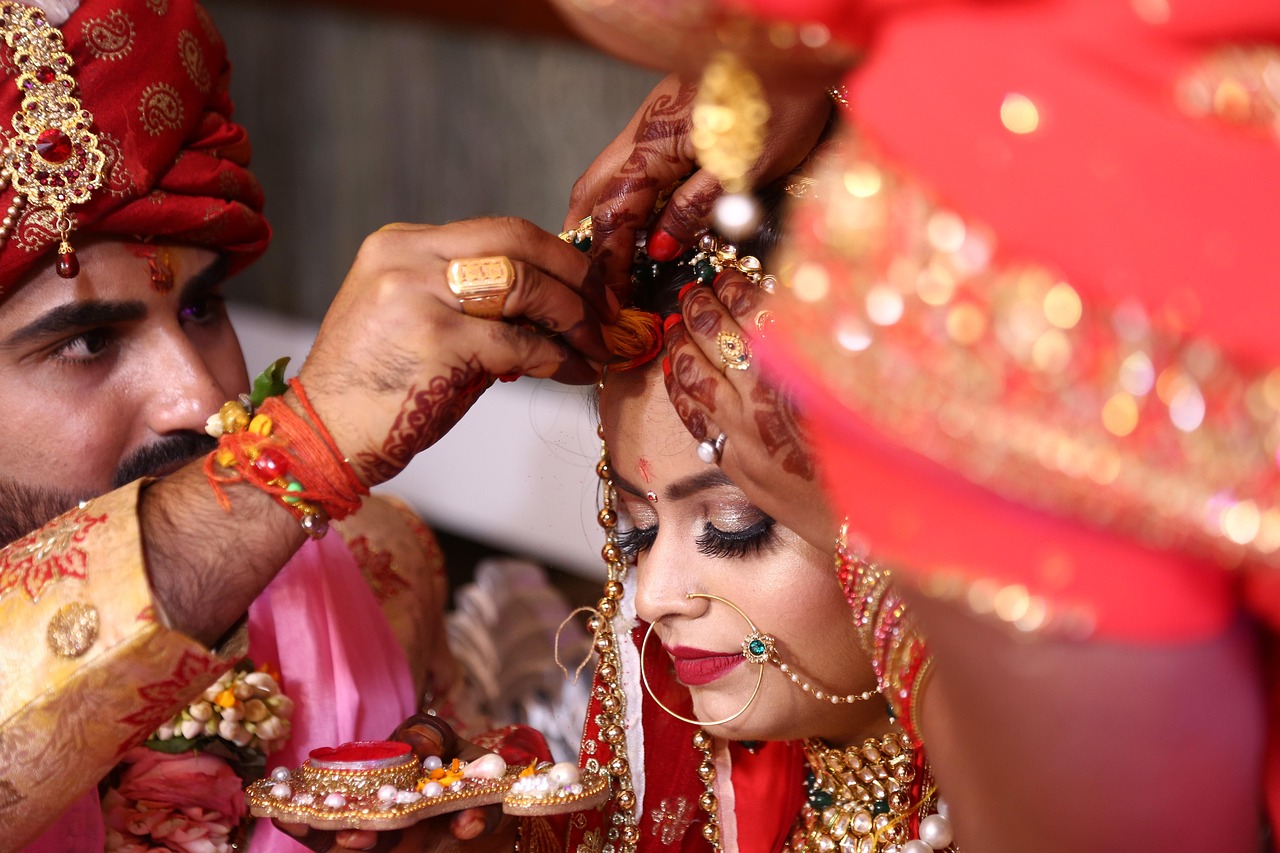
The henna application ceremony, or ‘shabbat el-henna,’ is a joyous celebration that takes place a few days before the wedding. The bride and her female relatives and friends gather, surrounded by the warm glow of candles, the sweet scent of jasmine and orange blossoms, and the soothing sounds of traditional music.
A skilled henna artist, often an elderly female family member or a professional, paints intricate and delicate patterns onto the bride’s hands and feet. The designs can vary greatly, from simple geometric patterns to complex floral motifs, each with its own unique symbolism and meaning. As the henna is applied, the atmosphere is filled with laughter, music, and the gentle chatter of loved ones, creating a sense of joy and togetherness that is truly unforgettable.
Once the henna is applied, the bride’s hands and feet are covered in gloves and plastic wrap to ensure the dye penetrates deeply. The designs can last for several weeks, gradually fading as they are gradually absorbed by the skin, leaving behind a subtle reminder of the special bond shared during the ceremony.
Preparing the Henna Paste
The Base Ingredients
Preparing traditional Algerian henna paste is a meticulous process that requires patience, skill, and a deep understanding of the art. The primary ingredients are fresh henna leaves, lemon juice, essential oils, sugar, and tea. The leaves are ground into a fine powder, which is then mixed with the other ingredients to form a smooth, dark-green paste.
The quality of the henna leaves is crucial for a vibrant, long-lasting stain. Fresh leaves, harvested just before flowering, yield the best results. The leaves are often sun-dried, then ground to a powder and stored for future use. This attention to detail and commitment to quality ensure that each piece of henna is a masterpiece, ready to be applied to the bride’s hands and feet.
The addition of lemon juice, essential oils, sugar, and tea enhances the color and aroma of the henna paste. Some recipes also call for honey, rosewater, or spices such as cloves, cinnamon, or ginger. The exact proportions of ingredients are closely guarded secrets, passed down through generations, and only revealed to a select few.
The Secret Recipes
Every henna artist has their own secret recipe, a treasured family heirloom that has been passed down through generations. Some use a blend of henna leaves from different regions, while others have specific techniques for grinding the leaves or preparing the mixture. The art of preparing henna paste is not just about achieving the perfect color or consistency; it’s about preserving tradition, honoring ancestors, and passing on a precious skill from one generation to the next.
The henna artist’s hands move with precision and finesse, carefully crafting each design, as if painting a masterpiece on a canvas. The air is filled with the sweet scent of henna, a reminder of the special bond shared between the bride, groom, and their families.
The Cultural Significance of Modern Henna Practices
A Link to the Past
Today, henna continues to be an essential part of Algerian weddings, serving as a tangible connection to the past. For many, the henna ceremony is a way to preserve and celebrate their cultural heritage, even when living abroad. Henna is a powerful symbol of identity, allowing individuals to share their roots with others and to pass on traditions to their children and grandchildren.
Henna is also a source of pride and joy. Seeing the intricate patterns adorning a bride’s hands and feet is a sight that fills the heart with warmth and reminds us of the beauty and richness of Algerian culture.
Moreover, henna brings the community together, fostering a sense of unity and shared cultural heritage. As the henna ceremony unfolds, it becomes clear that this ancient tradition is not just a celebration of love and togetherness but also a testament to the enduring power of culture and tradition.
Joining the Celebration: How You Can Get Involved
Whether you’re a Maghrebi diaspora member or simply someone interested in exploring Algerian culture, there are numerous ways to get involved and honor the traditional henna ceremony:
- Learn about the history and symbolism of henna in Algerian weddings, and explore the intricate designs and patterns used in the ceremony.
- Attend Algerian cultural events or weddings, if possible, to witness the henna application ceremony firsthand and experience the warmth and magic of this ancient tradition.
- Craft your own henna designs, using tutorials or guides from experienced artists, and share your creations with others.
- Share your experiences and knowledge with others, fostering a sense of community and cultural pride.
By participating in the traditional henna ceremony and learning about its significance, we can help ensure that this beautiful aspect of Algerian culture continues to thrive, connecting us to our past and bridging the gap between cultures.
This ceremony is not just a celebration of love and togetherness but also a testament to the enduring power of culture and tradition. As we embark on this journey of discovery and celebration, we honor the past while embracing the present, and look forward to the future with hope and anticipation.
You might also enjoy
Related Articles
- Unveiling the Best Travel Rewards for Exploring the Middle East and North Africa: A Comprehensive Guide for the Maghrebi Diaspora
- Exploring the Judeo-Amazigh Cultural Substratum: A Deep Dive into North African Ethno-Religious Synthesis
- Exploring the ‘Right to Salt’ Tradition in Maghrebi Culture: A Cultural Legacy Worth Preserving
- Barbara’s Counter-Cultural Witness in North Africa: Empowering Family Life Stories
- Mastering the Art of Making Algerian Bricks: A Comprehensive Guide for the Maghrebi Diaspora