London Halal Forum: Shaping the Future of the Global Halal Economy for the Maghrebi Diaspora
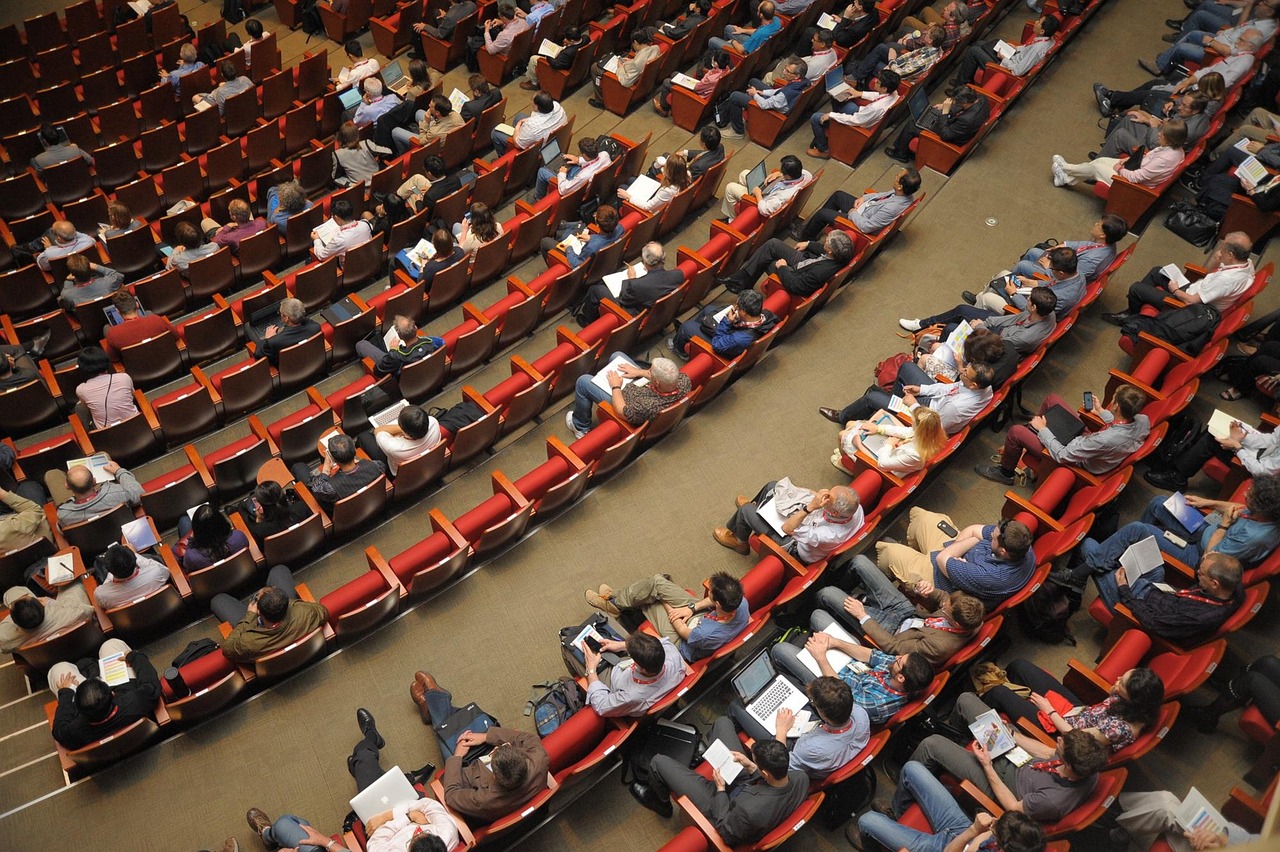
The London Halal Forum recently brought together a diverse group of industry leaders, policymakers, and entrepreneurs to discuss the future of the global halal economy. The event aimed to address the challenges and opportunities facing the halal industry, and its impact on the Maghrebi diaspora. With an estimated value of $2.3 trillion in 2018, the halal market is experiencing rapid growth, driven by a rising Muslim population, increased awareness of halal products, and the expansion of the halal supply chain beyond food.
For the Maghrebi diaspora, this growth presents both challenges and opportunities. As consumers, they can benefit from a wider range of halal products. As entrepreneurs, they can tap into this growing market to create new businesses and employment opportunities. However, the halal industry also faces significant challenges, including inconsistent halal standards, limited access to financing, and a lack of education and training for halal-certified professionals.
Key Takeaways from the London Halal Forum
The Growing Importance of the Halal Market
The halal market is experiencing rapid growth, with an estimated value of $2.3 trillion in 2018 and projected to reach $3.4 trillion by 2023. This growth is driven by a rising Muslim population, increased awareness of halal products, and the expansion of the halal supply chain beyond food.
For the Maghrebi diaspora, this growth presents both challenges and opportunities. As consumers, they can benefit from a wider range of halal products. As entrepreneurs, they can tap into this growing market to create new businesses and employment opportunities. For example, a Moroccan entrepreneur could start a halal-certified food business, catering to the growing demand for halal products in the UK. Similarly, a Tunisian entrepreneur could start a halal-friendly tourism business, catering to the increasing demand for halal tourism.
However, the halal industry also faces significant challenges, including inconsistent halal standards, limited access to financing, and a lack of education and training for halal-certified professionals. For instance, a Moroccan entrepreneur may struggle to access financing to start their halal-certified food business, or a Tunisian entrepreneur may find it difficult to find halal-certified professionals to help them run their tourism business.
The Challenges of the Halal Industry
The halal industry faces significant challenges, including inconsistent halal standards, limited access to financing, and a lack of education and training for halal-certified professionals. These challenges can create barriers to entry for entrepreneurs and limit the growth of halal businesses.
For the Maghrebi diaspora, these challenges can create barriers to entry for entrepreneurs and limit the growth of halal businesses. For example, a Moroccan entrepreneur may struggle to access financing to start their halal-certified food business, or a Tunisian entrepreneur may find it difficult to find halal-certified professionals to help them run their tourism business. The London Halal Forum highlighted the need for standardization and harmonization of halal certification, as well as increased investment in education and training for halal professionals.
The Role of Technology in the Halal Industry
Technology plays an increasingly important role in the halal industry, from traceability and transparency solutions to online marketplaces and e-commerce platforms. For the Maghrebi diaspora, technology can help overcome some of the challenges facing the halal industry, such as inconsistent standards and limited access to financing.
The London Halal Forum highlighted the importance of leveraging technology to create a more transparent and efficient halal supply chain. For instance, a Moroccan entrepreneur could use online platforms to connect with halal-certified suppliers and manufacturers, or a Tunisian entrepreneur could use technology to streamline their tourism business and cater to the growing demand for halal tourism.
The Impact of Halal Tourism
Halal tourism is a growing segment of the travel industry, with an estimated value of $180 billion in 2017 and projected to reach $300 billion by 2026. For the Maghrebi diaspora, this growth presents opportunities for tourism and hospitality businesses.
The London Halal Forum highlighted the need for destinations to cater to the specific needs of Muslim travelers, such as halal food, prayer facilities, and family-friendly attractions. The Maghrebi diaspora can play a key role in driving the growth of halal tourism by promoting destinations that cater to their needs and preferences.
The Future of the Global Halal Economy for the Maghrebi Diaspora
The London Halal Forum highlighted the importance of the Maghrebi diaspora in shaping the future of the global halal economy. The diaspora can play a key role in driving the growth of halal businesses, investing in halal-certified professionals, and promoting destinations that cater to the specific needs of Muslim travelers.
For the Maghrebi diaspora, the future of the global halal economy presents both challenges and opportunities. It is important to stay informed about the latest trends and developments in the halal industry, and to seize the opportunities presented by this growing market. Whether you are a consumer, entrepreneur, or investor, there are ways to get involved and contribute to the growth of the halal economy.
Stay tuned for more updates and resources from the London Halal Forum and other organizations dedicated to promoting the halal industry. The future of the global halal economy is shaped by the Maghrebi diaspora, and it is up to them to take advantage of the opportunities presented by this growing market.
You might also enjoy
Related Articles
- Exploring Opportunities in the Global Halal Economy: Insights from the London Halal Forum
- Paris Exhibition Delves into Evolving Traditions in Maghreb Weddings: A Cultural Exploration for the Maghrebi Diaspora
- Atlanta’s Underground Transforms into a Vibrant Moroccan Cultural Hub for the World Cup Match: A Gathering of the Maghrebi Diaspora
- Demographic Shift in Maghreb: Fertility at Record Low – A Call to Action for the Maghrebi Diaspora
- The Evolution and Impact of Kanduli: Grand Halal Food Festival – A Culinary Celebration for the Maghrebi Diaspora