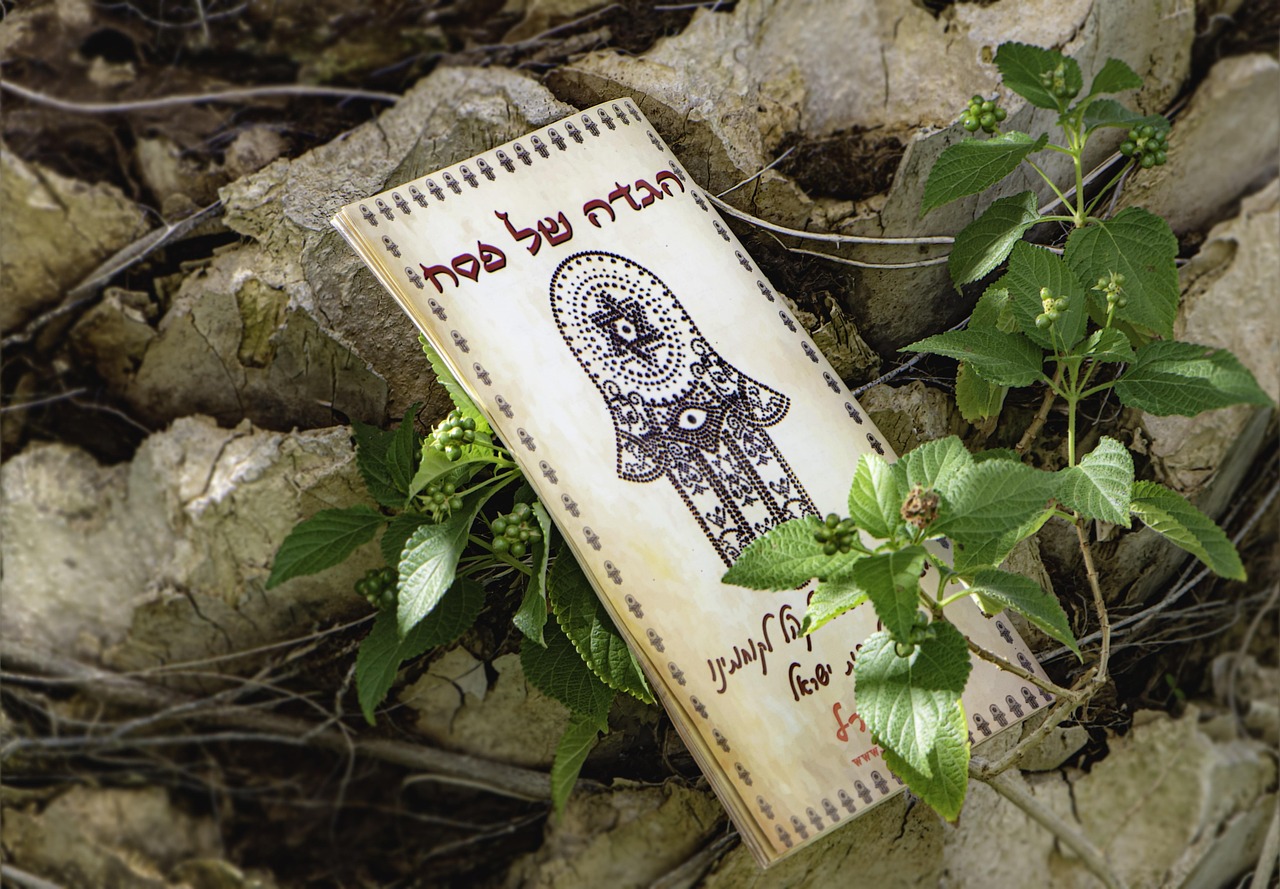
For the Tunisian Jewish diaspora in Marseille, Passover is a time to gather and celebrate their rich heritage. In this vibrant coastal city, a traditional dish called yabrak takes center stage. While it shares roots with the famous Israeli dish kubaneh, yabrak is a unique culinary treasure, filled with the flavors of Tunisia that remind exiles of home. As the aromas of this savory pastry waft through the air, it’s a sensory experience that transcends faith and invites us all to share in the spirit of the holiday. Whether you’re a seasoned foodie or just looking to try something new, yabrak is a dish that will leave you wanting more.
History and Origins
Yabrak, meaning ‘stuffed’ in Arabic, is a savory pastry that has been a staple of Tunisian cuisine for centuries. According to local legend, it originated as a way to use leftover bread, stretching resources during lean times. Today, it’s a beloved dish, often served during festive occasions such as Eid and weddings. During Passover, when the traditional consumption of leavened bread is forbidden, yabrak becomes the perfect alternative, allowing Tunisian Jews to maintain their cultural identity while observing the holiday.
Ingredients (makes 8 servings)
For the dough:
- 500 g all-purpose flour
- 1 tsp baking powder
- 1 tsp salt
- 375 ml warm water
- 2 tbsp olive oil
- 1 egg
For the filling:
- 1 kg ground lamb
- 1 large onion, finely chopped
- 4 cloves garlic, minced
- 2 tbsp tomato paste
- 2 tsp ground cumin
- 1 tsp ground coriander
- 1 tsp paprika
- 1 tsp salt
- 1 tsp black pepper
- 1 tbsp olive oil
- 400 g canned chickpeas, drained and rinsed
- 200 g canned green olives, pitted and chopped
- 100 g raisins
- 4 eggs
Step-by-Step Instructions
Prep time: 30 minutes | Cook time: 1 hour | Difficulty: Medium
- Prepare the dough: In a large bowl, whisk together flour, baking powder, and salt. Make a well in the center and add warm water, olive oil, and egg. Mix until a soft, pliable dough forms. As you work the dough, take a moment to appreciate the texture and the way it comes together under your fingertips. This is a moment of connection to the past, when bread was a staple of Tunisian cuisine.
- Prepare the filling: In a large skillet, heat olive oil over medium heat. Add onion and garlic and sauté until soft and fragrant, about 5 minutes. Add ground lamb, breaking it up with a spoon. Cook until browned, about 10 minutes. Stir in tomato paste, cumin, coriander, paprika, salt, and pepper. Cook for 2 minutes, then remove from heat and let cool. As the flavors meld together, take a moment to think about the history behind this dish, and the people who have passed it down through generations.
- Combine the filling and dough: In a large bowl, combine the cooled lamb mixture, chickpeas, olives, and raisins. Knead the dough and divide it into 8 equal portions. Roll each portion into a ball, then flatten it into a circle about 12 cm in diameter. As you shape the dough, think about the people who will gather around the table to share this dish. Will it be family, friends, or a community of people coming together to celebrate their heritage?
- Fill and shape the yabrak: Place a portion of the filling in the center of each dough circle. Fold the edges inward, pleating and sealing them to encase the filling. Pinch the edges together to form a sealed package. As you work, remember the people who have shaped this dish into what it is today, and the cultural heritage that it represents.
- Bake the yabrak: Preheat the oven to 180°C. Place the filled yabrak on a baking sheet and brush with beaten egg. Bake for 30-40 minutes, or until golden and crispy. As the yabrak bakes, take a moment to think about the people who will be enjoying this dish, and the memories that will be made around the table.
Tips for Success
Yabrak can be a little tricky to master, but with these tips, you’ll be on your way to a delicious result.
- Knead the dough thoroughly to ensure it is smooth and pliable
- Do not overstuff the yabrak — a generous but manageable amount of filling is key
- Brush the yabrak with egg before baking to give it a beautiful, golden finish
Variations
While this recipe is traditional, there are many ways to put your own spin on yabrak. Some popular variations include adding ground almonds to the dough, using ground beef or a combination of lamb and beef for the filling, or adding spices such as cinnamon or nutmeg to the mix.
Serving and Presentation
Serve the warm yabrak with a side of harissa and a fresh green salad. The contrast between the savory, spiced filling and the cool, crisp salad creates a delicious harmony of flavors. Garnish with fresh parsley or coriander for an extra touch. As you present the dish, take a moment to appreciate the effort that went into making it, and the joy that it will bring to those who eat it.
Conclusion
Yabrak is more than just a dish — it’s a symbol of the resilience and enduring spirit of the Tunisian Jewish community. During Passover, this traditional dish serves as a bridge between past and present, connecting exiles with the flavors of home. Prepare this recipe and celebrate the unique culture of Tunisian Jews in Marseille, a city that has welcomed and nurtured them for generations. As you share this dish with others, remember the people who have shaped it, and the cultural heritage that it represents.
You might also enjoy
Related Articles
- Passover in Marseille: A Tunisian Twist on a Traditional Holiday with a Recipe for Yabrak
- Yabrak: A Passover Tradition in Tunisian Marseille
- Summer of Impact: Berber Culture Showcase – Celebrating the Rich Heritage of the Maghrebi Diaspora
- The Evolution and Impact of Kanduli: Grand Halal Food Festival – A Culinary Celebration for the Maghrebi Diaspora
- Organising a Traditional Maghrebin Wedding in France: A Comprehensive Guide for the Maghrebi Diaspora