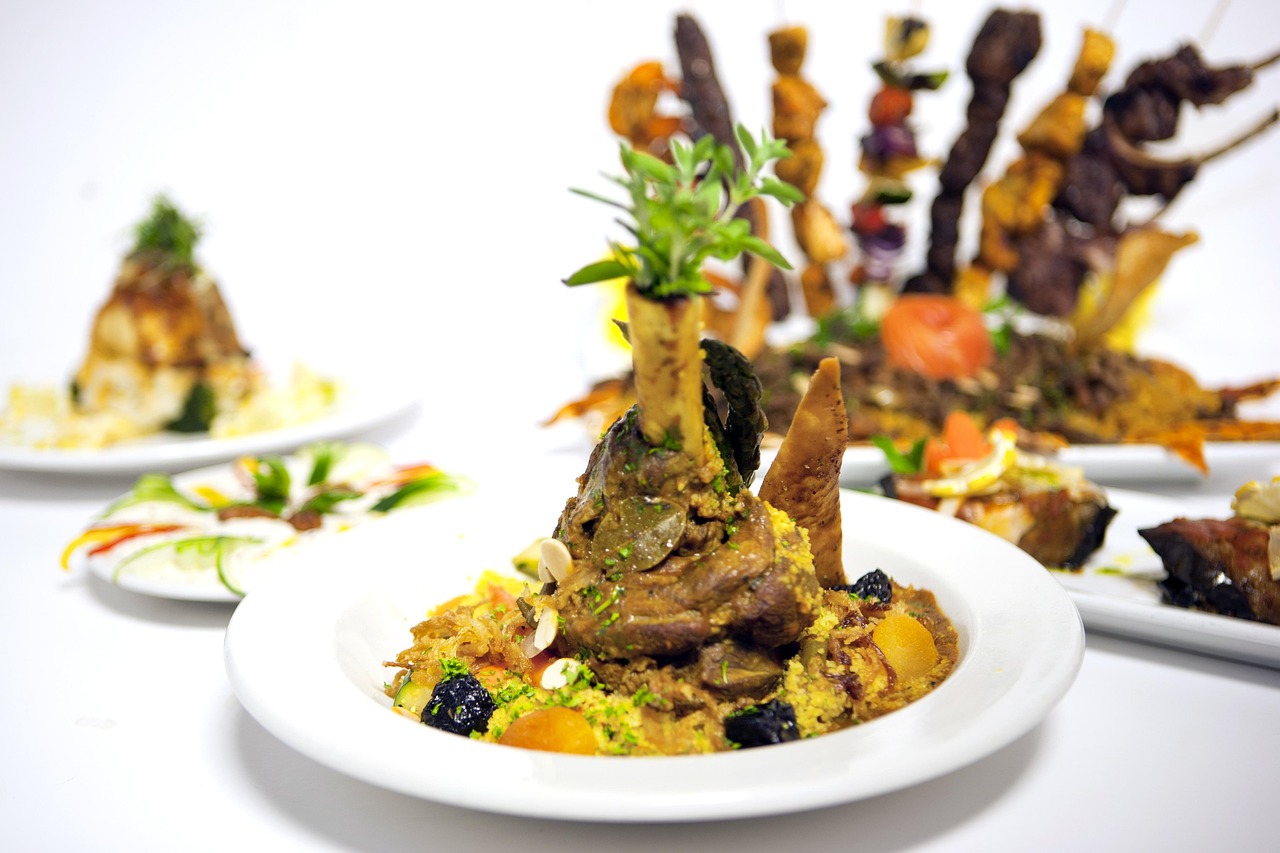
The scent of spices and simmering meat wafts through the air as Ramadan comes to a close, and what better way to break the fast than with a traditional Berber tagine? This dish, native to the Berber people of North Africa, is a true celebration of flavors, history, and community. This authentic recipe is designed for a lavish gathering, so invite your loved ones and prepare to be transported to the heart of the Maghreb. Imagine the warm glow of candles, the gentle hum of conversation, and the mouthwatering aroma of slow-cooked meat and spices – this tagine is the perfect centerpiece for your Ramadan feast.
History and Origins
Berber tagine is a testament to the rich cultural exchange between the Berbers, Arabs, and Ottomans that has shaped Maghrebi cuisine. This slow-cooked stew has been a staple of the region’s culinary heritage for generations, with each family having their own secret recipe passed down through the years. The dish varies across Algeria, Tunisia, and Morocco, reflecting the unique cultural and historical contexts of each country. In this recipe, we’ll delve into the history and traditions behind this beloved dish, and share a recipe that’s sure to become a family favorite.
Ingredients (serves 10-12)
Our recipe features lamb and prunes, a traditional combination that imparts a delicate sweetness to the meat. Serve with crusty bread to soak up the flavorful sauce, and don’t be surprised if your guests ask for seconds (and maybe even thirds!).
- 2.5 kg bone-in lamb shoulder — cut into large chunks by your butcher, and be sure to ask for the most tender parts of the shoulder
- 400 g pitted prunes — sweet and plump, these will add a burst of flavor to the dish
- 3 large onions — finely chopped, these will caramelize and add a depth of flavor to the tagine
- 4 cloves of garlic — minced, these will add a pungency and aroma to the dish
- 4 tbsp olive oil — high-quality and extra-virgin, these will add a richness and depth to the tagine
- 2 tbsp ras el hanout — a blend of spices that’s unique to the Maghreb, this will add a complex and aromatic flavor to the dish
- 1 tsp ground ginger — warm and inviting, this will add a subtle spice to the dish
- 1 tsp ground cinnamon — sweet and comforting, this will add a warm and cozy flavor to the tagine
- 1 tsp ground coriander — earthy and herbaceous, this will add a complexity and depth to the dish
- 1 tsp ground cumin — earthy and savory, this will add a richness and warmth to the tagine
- Salt and black pepper to taste — these will enhance the flavors of the dish and add a touch of saltiness
- 500 ml water — pure and clean, this will add a light and refreshing quality to the tagine
- 1 tsp cornstarch dissolved in 1 tbsp cold water — this will help thicken the sauce and add a subtle texture to the dish
- Chopped fresh coriander for garnish — a pop of color and freshness, this will add a bright and inviting touch to the dish
Step-by-Step Instructions
Prep time: 25 minutes | Cook time: 3 hours 30 minutes | Difficulty: Medium
- Brown the lamb: heat olive oil in a large heavy tagine or Dutch oven over medium-high heat. Add the lamb pieces and brown on all sides, about 10 minutes total. Transfer to a plate and set aside, allowing the lamb to rest and the flavors to meld.
- Sauté the onions and garlic: in the same pot, cook the onions until soft and golden, about 5 minutes. Add the minced garlic and cook for 1 minute, until fragrant and caramelized. Add ras el hanout, ginger, cinnamon, and cumin, stirring for 30 seconds until fragrant and well combined.
- Return the lamb: put the browned lamb back into the pot along with the prunes, salt, and pepper. Stir to combine, ensuring the lamb is well coated with the spices and sauce.
- Add water and cook: pour in the water and bring to a boil. Reduce heat to low, cover, and simmer for 2.5 hours, stirring occasionally, until the meat is tender and the sauce has thickened.
- Thicken the sauce: mix the cornstarch with cold water and stir into the pot. Simmer uncovered for 10 minutes, until the sauce has thickened and the flavors have melded together.
- Adjust seasoning and serve: taste the sauce and adjust seasoning as needed, adding more salt, pepper, or spices to taste. Garnish with chopped fresh coriander and serve with crusty bread and a side of salad or olives for a well-rounded meal.
Tips for Success
Here are some insider tips to ensure your Berber tagine shines at your Ramadan feast:
- To enhance the depth of flavor, sear the lamb pieces in batches, adding more oil if necessary, to ensure they’re well browned and caramelized.
- If the sauce reduces too much, add more water to maintain the desired consistency, and be patient as the flavors meld together.
- Let the tagine rest for 10 minutes before serving to allow the flavors to meld and the sauce to thicken.
- For a smoother texture, remove the lamb from the bone before cooking, and consider adding a splash of lemon juice or vinegar to brighten the flavors.
Regional Variations
While our recipe features lamb and prunes, there are countless variations across the Maghreb. Some tagines are spicier, some sweeter, and some feature chicken, fish, or even vegetables as the main ingredient. Feel free to experiment and create your own unique flavor profile, and don’t be afraid to share your own variations and stories in the comments below!
Serving and Presentation
Serve your Berber tagine with crusty bread, such as khobz or baguette, to soak up the delicious sauce, and consider adding a side of salad, olives, or preserved lemons to round out the meal. For a more formal presentation, consider garnishing with chopped fresh herbs, pomegranate seeds, or preserved lemons to add a pop of color and freshness.
Conclusion
Berber tagine is a symbol of the warmth, hospitality, and rich cultural heritage that define the Maghreb. Preparing this dish for your Ramadan feast is not just about sharing a meal – it’s about connecting with your roots, your family, and your community. Enjoy this authentic recipe, and please share your photos and memories in the comments below!
You might also enjoy
Related Articles
- Exploring the Role of the Diaspora in the Algerian, Tunisian, and Moroccan Music Industry
- Celebrating Ramadan with Tunisian Yabrak Recipe in Marseille: A Culinary Journey through the Maghrebi Diaspora
- Experience Authentic Moroccan Culture at Underground Atlanta: A Haven for Maghrebi Diaspora
- Community Bonding at USA World Cup Watch Parties: A Maghrebi Diaspora Gathering
- Celebrating Halloween in the North African Diaspora: Embracing Cultural Fusion and Community Bonding