

Empowering Modern Fashion: Exploring Modest Styles in Contemporary Muslim Women’s Fashion
Welcome to our blog, where we’re passionate about exploring the intersection of tradition, modernity, and self-expression in the world of contemporary Muslim women’s fashion. In this article, we’ll delve into the fascinating world of modest fashion, focusing on the Maghrebi diaspora and the evolution of this vibrant and evolving field.
The Evolution of Modest Fashion: A Historical Perspective
The roots of modest fashion can be traced back to Islamic principles that encourage modesty and privacy. Over the centuries, these principles have been interpreted and reinterpreted, giving rise to a rich and diverse array of fashion traditions across the Muslim world. In the Maghrebi region, traditional clothing like the djellaba and the h’hab have been a significant part of the cultural landscape, with intricate embroidery and vibrant colors reflecting the region’s unique cultural heritage.
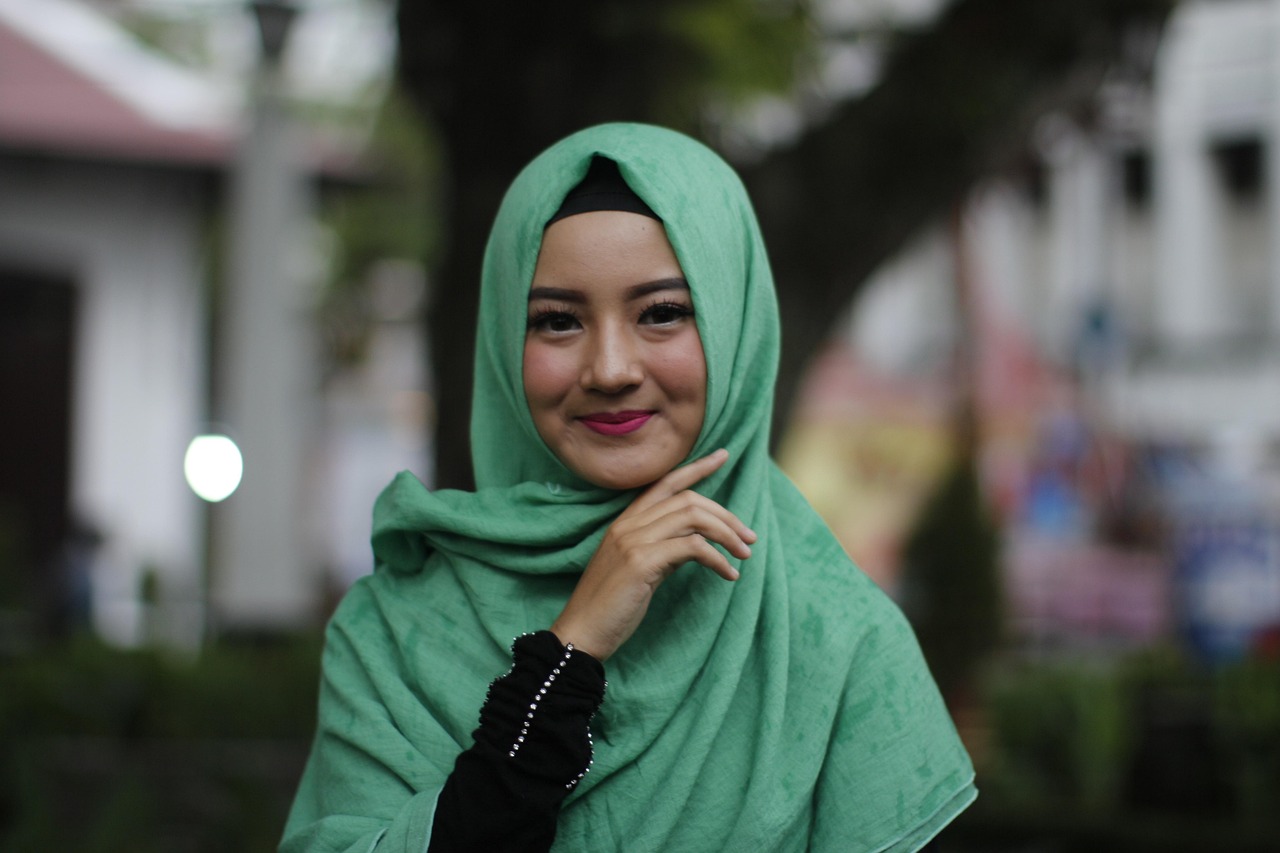
As globalization and the rise of the fashion industry have taken hold, these traditional styles have evolved to cater to the needs and desires of contemporary Muslim women. Today, these classic pieces have been modernized, blending cultural heritage with global trends, creating a unique and empowering identity for Maghrebi women in the diaspora. From statement-making abayas to trendy hijabs, the possibilities are endless, and the results are nothing short of stunning.
The evolution of modest fashion is not just about the clothes themselves, but about the women who wear them. It’s a reflection of their faith, their culture, and their sense of identity. For many Muslim women, dressing modestly is a way to connect with their heritage and express their values, even in the face of adversity.
Modest Fashion: A Statement of Faith and Identity
Modest fashion is more than just clothing; it’s a powerful statement of faith and identity. For many Muslim women, dressing modestly is a way to assert their religious beliefs and cultural roots in a world that often marginalizes or misrepresents minority groups. In the diaspora, modest fashion can also serve as a bridge between different cultures, a way to maintain a sense of identity and connection to one’s heritage.
Moreover, the rise of modest fashion has challenged stereotypes and fostered a newfound appreciation for the diversity and richness of Muslim cultures. By embracing their unique styles and traditions, Muslim women are reclaiming their place in the fashion industry and refusing to be defined by external expectations.
The Rise of the Modest Fashion Industry
The modest fashion industry has seen significant growth in recent years, with an increasing number of brands catering to this market. From high-end designers to affordable fast fashion, the options are endless, and the results are nothing short of stunning. These brands offer stylish, modest clothing that allows women to express their individuality while adhering to their religious and cultural beliefs.
The success of these brands demonstrates the untapped potential of the modest fashion market, which is estimated to be worth over $240 billion. Moreover, the rise of social media influencers and fashion bloggers who promote modest fashion has further increased its visibility and acceptance in mainstream fashion circles.
The modest fashion industry is not just about the clothes; it’s about the women who wear them. It’s a space where Muslim women can connect with each other, share their experiences, and celebrate their cultural heritage. By supporting modest fashion, we can contribute to a more inclusive and diverse fashion industry, one that celebrates the richness and diversity of our cultures and faiths.
Challenges and Opportunities in the Modest Fashion Industry
Despite its growth, the modest fashion industry faces several challenges. These include a lack of representation in mainstream fashion, limited accessibility, and issues surrounding quality and affordability. However, these challenges also present opportunities for innovation and growth.
Brands that address these issues can carve out a niche for themselves in this burgeoning market. Moreover, the modest fashion industry offers a unique opportunity for collaboration and cultural exchange, fostering a more inclusive and diverse fashion landscape.
The modest fashion industry is not just about fashion; it’s about culture, identity, and community. By embracing our differences and celebrating our unique styles, we can create a more inclusive and diverse fashion industry that celebrates the richness and diversity of our cultures and faiths.
Empowering the Next Generation: A Call to Action
As we continue to explore the world of modest fashion, it’s essential to support brands and initiatives that promote inclusivity, empowerment, and cultural preservation. We encourage our readers, especially those from the Maghrebi diaspora, to embrace their cultural heritage and use fashion as a means of self-expression and empowerment.
By supporting modest fashion, we can contribute to a more inclusive and diverse fashion industry, one that celebrates the richness and diversity of our cultures and faiths. It’s a call to action, urging us to take a stand and reclaim our place in the fashion industry.
So, join us on this journey as we explore the world of modest fashion, celebrating its beauty, diversity, and empowerment. Together, we can create a more inclusive and diverse fashion industry that celebrates the richness and diversity of our cultures and faiths.
You might also enjoy
Related Articles
- Empowering Modern Muslim Women’s Fashion: Insights from Contemporary Styles – A Journey for the Maghrebi Diaspora
- Exploring Contemporary Muslim Fashion: A Deep Dive into the de Young Exhibit
- Celebrating Contemporary Muslim Fashion: Modest Style Meets Modernity
- Exploring Malaysia’s Muslim-friendly Tourism Offerings with MHLife 2026: A Comprehensive Guide for the Maghrebi Diaspora
- Exploring De Young’s ‘Contemporary Muslim Fashions’: An Interview with Curator Dr. Asta L. Thrastdottir