

Henna and Traditional Maghrebi Weddings in France: A Comprehensive Guide
Introduction
Welcome to our comprehensive guide on Henna and Traditional Maghrebi Weddings in France. As a member of the Maghrebi diaspora community living in France, planning a traditional wedding can be a daunting task, especially when it comes to incorporating the rich cultural heritage of your ancestors. This article aims to provide valuable insights, tips, and advice to help you plan a beautiful and authentic Maghrebi wedding in France, while also respecting the laws and customs of your adopted country.
We will delve into the significance of Henna in Maghrebi culture, its role in weddings, and how to incorporate it into your special day in France. We will also explore various aspects of traditional Maghrebi weddings, offering practical advice on organizing a stunning and memorable event that honors your heritage and reflects your personal style.
The Significance of Henna in Maghrebi Culture
Origins and Symbolism
Henna has been an integral part of Maghrebi culture for centuries, with its origins dating back to ancient Egypt. The leaves of the Henna plant are used to create a natural dye, which, when applied to the skin, produces a temporary, intricate pattern known as ‘Henna tattoo.’ These designs symbolize various aspects of life, love, protection, and good fortune, making Henna a meaningful and powerful symbol in Maghrebi culture.
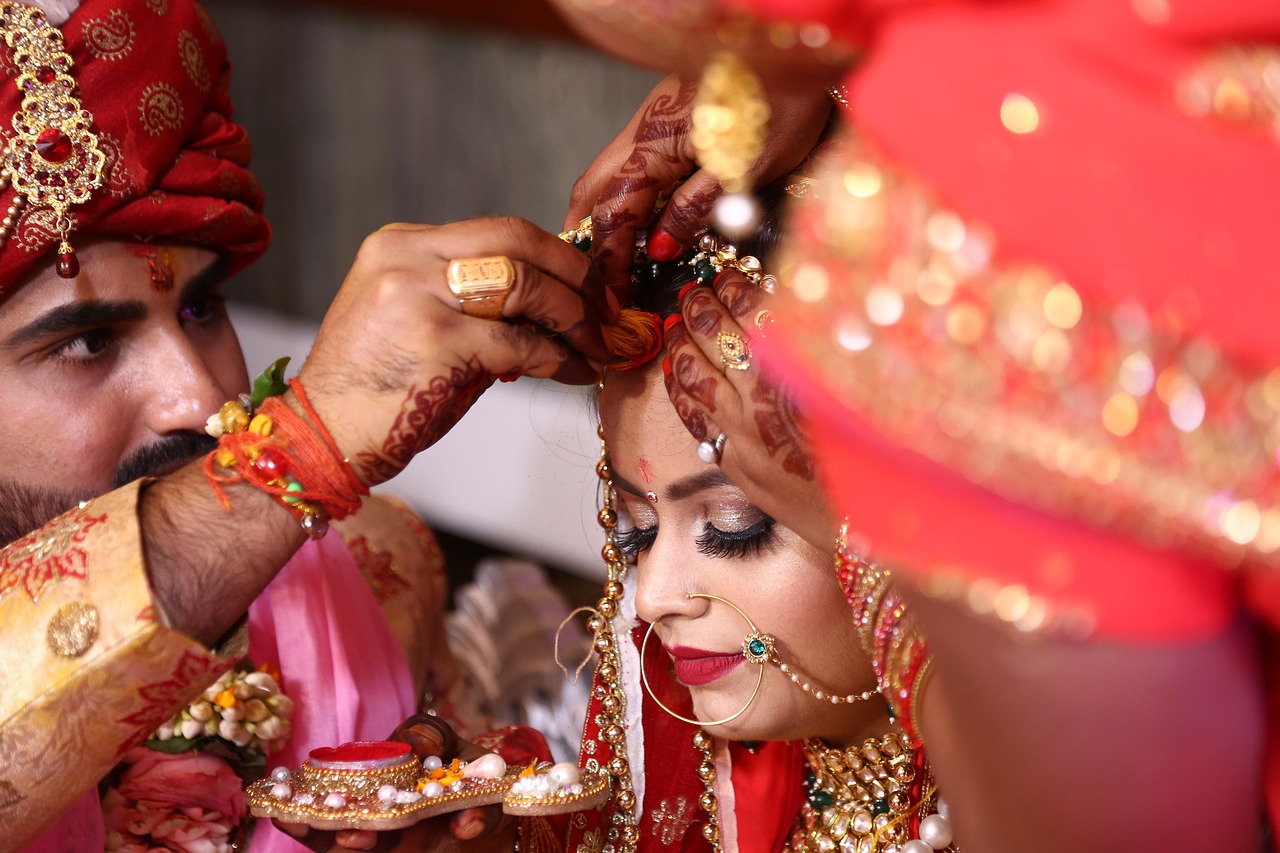
Traditionally, the Henna design is applied to the bride’s hands and feet, serving as a symbol of the couple’s union and their journey together. The Henna ceremony, also known as ‘Henna party’ or ‘Henna night,’ is a joyous and emotional experience, filled with laughter, music, and heartfelt moments as the bride says goodbye to her single life.
Traditional Henna Ceremony
The Henna ceremony is an essential part of traditional Maghrebi weddings, and its significance extends beyond the actual design. The ceremony is a time for the bride and her female family members and friends to come together, share stories, and celebrate their bond. The experience is often filled with tears of joy, laughter, and music, making it a truly unforgettable moment for the bride and her loved ones.
Henna and Modern Maghrebi Weddings
In modern times, the Henna ceremony has evolved to accommodate the changing tastes and preferences of couples. Today, the ceremony is often combined with the wedding ceremony itself, making it a memorable and meaningful part of the big day. The versatility of Henna allows for a wide range of designs, from traditional patterns to more contemporary motifs that reflect the bride’s personality and style.
Planning a Traditional Maghrebi Wedding in France
Legal Requirements
Before planning the wedding festivities, it is essential to understand the legal requirements for marrying in France. Both parties must provide proof of ID, proof of residency, and birth certificates. If either party was previously married, divorce papers or death certificates of a deceased spouse are also required. It is crucial to research and understand the legal requirements to ensure a smooth and stress-free wedding planning process.
In addition to the legal requirements, it is essential to consider the cultural and social norms of your community and the country you are living in. France is known for its rich cultural heritage and strict laws, and it is essential to respect these norms to ensure a successful and memorable wedding celebration.
Choosing a Venue
Choosing the perfect venue is essential for creating an unforgettable wedding experience. French venues offer a wide range of options, from historic chateaus to modern city halls. When selecting a venue, it is essential to consider your guest count, budget, and desired cultural elements. You should also ensure that the venue can accommodate your cultural and religious needs, as well as any special requests or requirements you may have.
Food and Catering
Food is a crucial aspect of any wedding, and Maghrebi weddings are no exception. Traditional Maghrebi dishes such as couscous, tagine, and harira can be incorporated into the menu, offering your guests a taste of your cultural heritage. When selecting a caterer, it is essential to find someone who understands your cultural preferences and can provide authentic cuisine that reflects your personal style and taste.
Henna Artists in France
Finding a Henna Artist
Finding a skilled Henna artist who understands the intricacies of traditional Maghrebi designs is essential for a beautiful Henna ceremony. Online searches, social media, and word of mouth are effective ways to locate a reputable artist in France. When selecting a Henna artist, it is essential to view their portfolio, read reviews, and ask for references to ensure that you find someone who can provide the level of quality and expertise you desire.
In addition to finding a skilled Henna artist, it is essential to prepare your skin for the Henna ceremony. Exfoliating, moisturizing, and maintaining clean nails can help the Henna design adhere better and last longer. You should also consider the time of day and the lighting of the venue to ensure that the Henna design is showcased in the best possible way.
Design Consultations
Meeting with your chosen Henna artist for a design consultation allows you to discuss your preferences and any specific cultural symbols or motifs you’d like included in your design. This is an essential step in the process, as it allows you to work closely with the artist to create a design that is truly unique and meaningful to you.
Conclusion
Planning a traditional Maghrebi wedding in France can be an exciting and enriching experience. By understanding the cultural significance of Henna, adhering to French legal requirements, and finding the right vendors for your special day, you can create a beautiful and authentic celebration that honors your heritage while embracing your new home.
We hope this guide has provided valuable insights and encouragement for those planning a Maghrebi wedding in France. Wishing you a joyous and memorable wedding day!
You might also enjoy
Related Articles
- Selara Africa’s Travel Advisor Incentives for the North American Market: A Comprehensive Guide for the Maghrebi Diaspora
- Navigating the Challenges Facing Maghrebi Emigrants in France: A Comprehensive Guide
- Exploring Malaysia’s Muslim-friendly Tourism Offerings with MHLife 2026: A Comprehensive Guide for the Maghrebi Diaspora
- Nourishing Hair Care with Natural Moroccan Argan Oil: A Comprehensive Guide for Maghrebi Diaspora Readers
- Exploring Middle East & North Africa Travel Deals with Miles: A Comprehensive Guide for the Maghrebi Diaspora