

Exploring the Impact of Islamic Culture on Global Fashion Trends: A Journey Through Time and Fashion Capitals
Welcome, dear readers! Today, we embark on a fascinating journey to explore the profound impact of Islamic culture on global fashion trends. As we delve into the world of fashion, we’ll uncover the rich cultural heritage that has shaped contemporary fashion, from its historical roots to modern fashion capitals.
The Roots: Traditional Islamic Dress and Modesty
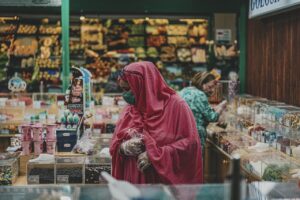
The traditional Islamic dress, a staple of the culture for centuries, is the foundation of our exploration. The hijab, abaya, and jilbab are prominent examples of garments that symbolize modesty, faith, and identity. These garments have evolved over time, adapting to regional variations while maintaining their core values. For instance, the hijab has become a ubiquitous symbol of Muslim identity, with various styles and designs reflecting the diversity of the global Muslim community.
Modest fashion, once a niche market, has gained worldwide recognition. Designers from around the globe have incorporated modest fashion into their collections, catering to a growing global market seeking stylish and modest attire. This shift has led to the rise of modest fashion as a significant player in the global fashion industry, with a projected market size of $300 billion by 2024.
The influence of Islamic culture on fashion is not limited to clothing. Accessories, home decor, and architecture have also been shaped by Islamic art and design. The intricate patterns, vibrant colors, and geometric shapes found in Moroccan tiles, for example, have been reinterpreted by contemporary designers, demonstrating the enduring appeal and adaptability of these designs.
The Renaissance: Islamic Art and its Influence on Contemporary Design
Islamic art, with its rich history and cultural significance, has left an indelible mark on fashion. The ornate calligraphy found in Middle Eastern textiles, for instance, has been reinterpreted by designers like Diane von Fürstenberg and Dolce & Gabbana, creating a fusion of East and West that resonates with consumers worldwide.
The influence of Islamic art is not limited to clothing. Accessories, home decor, and architecture have also been shaped by Islamic design. The striking motifs on Moroccan tiles, for example, have been reinterpreted by contemporary designers, demonstrating the enduring appeal and adaptability of these designs.
The intersection of Islamic art and design with modern fashion has led to the creation of innovative and stylish products. For instance, the fusion of traditional Islamic patterns with modern materials and technologies has resulted in the development of smart fabrics that offer temperature control, UV protection, and modesty.
The Global Stage: Islamic Fashion Weeks and Empowerment
The rise of Islamic Fashion Weeks in various cities, such as Dubai, Istanbul, and Jakarta, has provided a platform for Muslim designers to showcase their creations and compete with established designers from the West. These events serve as a testament to the growing recognition and acceptance of Islamic fashion in the global fashion industry.
These fashion weeks have also fostered a sense of community and empowerment among Muslim designers and consumers, promoting inclusivity and diversity. By providing a platform for Muslim designers to showcase their work, these events have helped to challenge stereotypes and misconceptions, showcasing the richness and sophistication of Islamic fashion to a global audience.
The Future: Collaborations and Innovation
Collaborations between Muslim designers and mainstream brands have been instrumental in bringing Islamic fashion to the forefront of the global fashion industry. For instance, Uniqlo’s collaboration with Hana Tajima, a British-Japanese designer, resulted in a collection that blended traditional Islamic designs with contemporary fashion, appealing to a diverse customer base.
Innovation in materials and technologies is also playing a significant role in the evolution of Islamic fashion. The development of smart fabrics that offer temperature control, UV protection, and modesty can cater to the specific needs of Muslim consumers while remaining fashionable and modern.
Join the Movement: Embrace and Celebrate Islamic Fashion
As the global fashion industry continues to evolve, it’s essential to recognize and celebrate the influence of Islamic culture. By embracing and supporting Muslim designers and their creations, we can help to challenge stereotypes, promote diversity, and contribute to a more inclusive and vibrant fashion world.
Stay tuned for more insightful articles about the intersection of Islamic culture and global fashion trends. Together, let’s continue to explore, learn, and celebrate the rich heritage that shapes our contemporary fashion landscape.
You might also enjoy
Related Articles
- Modern Interpretations of Traditional Islamic Fashion: A Revival Among the Maghrebi Diaspora
- Empowering Modern Muslim Women’s Fashion: Insights from Contemporary Styles – A Journey for the Maghrebi Diaspora
- Discovering Malek Labidi’s Archive: A Journey through the Rich Culinary Roots of Algeria
- Unveiling Evolving Maghreb Wedding Traditions: A Journey Through Time at the Paris Exhibition
- Exploring Amazigh Culture in Morocco: A Deep Dive into Traditions, Challenges, and Opportunities