


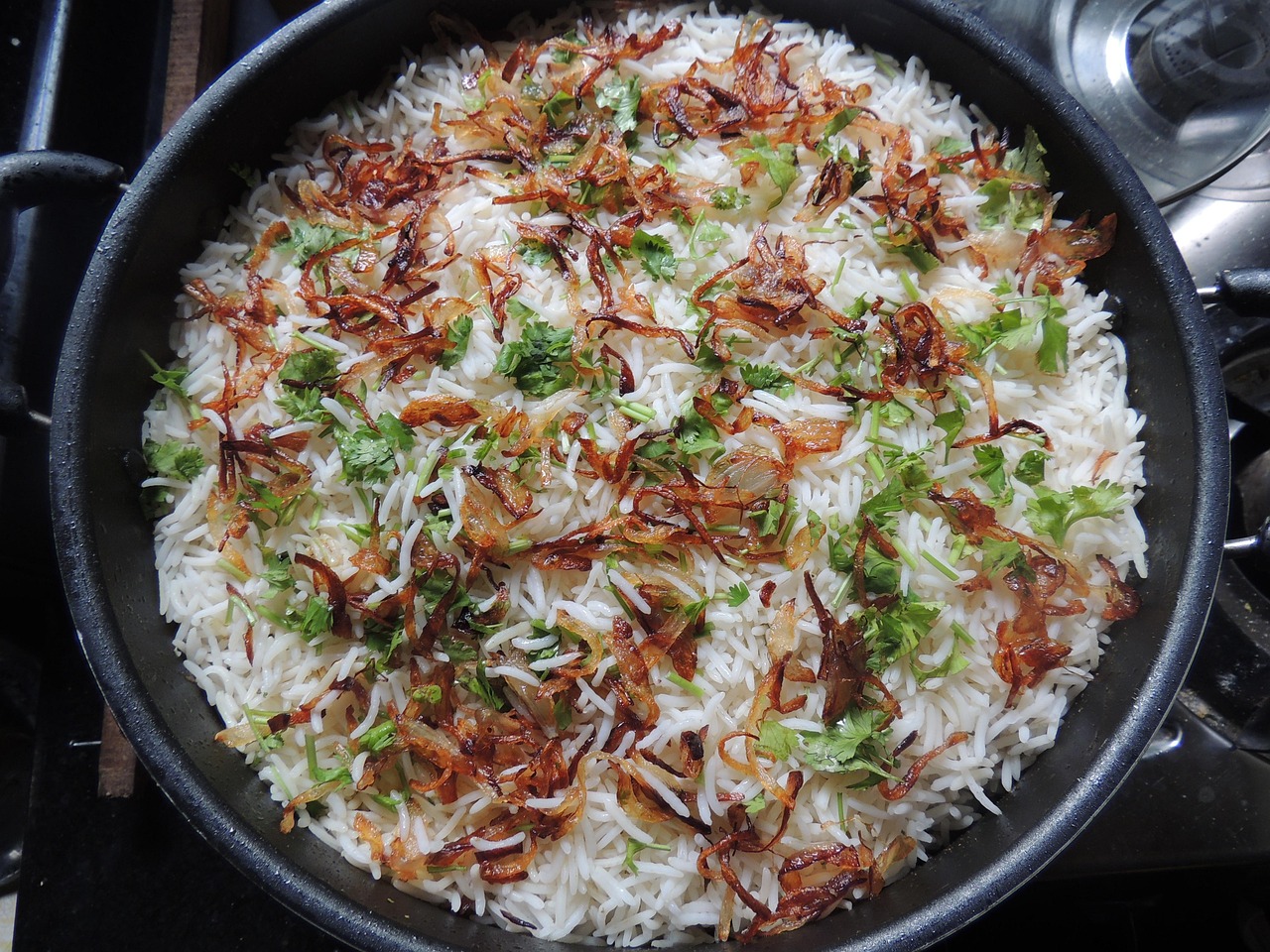
Ramadan Traditions: Recipe for Yabrak, Stuffed Romaine Lettuce
In the mystic heart of Ramadan, the Algerian, Tunisian, and Moroccan diaspora gather around the table to break the fast with family, friends, and the flavors of home. One of the most beloved dishes is yabrak, a vibrant dish of romaine lettuce leaves, stuffed with an aromatic blend of rice, meat, and vegetables. It is a symbol of the abundance of the season, a labor of love, and a joyous celebration of unity. As the scent of sizzling onions and garlic wafts through the air, the anticipation builds, and the feast begins. This recipe brings the richness of tradition to your table, transporting you to the sun-kissed hills of the Maghreb, where the magic of Ramadan comes alive.
History and Origins
The origins of yabrak are shrouded in the mists of time, but it is believed to have been prepared for centuries during Ramadan in the Maghreb. The name comes from the Arabic ‘al-barakah,’ meaning ‘blessing’ or ‘grace,’ an apt name for a dish that brings together the warmth and nourishment of the fasting month. Yabrak is traditionally served at iftar, the evening meal that breaks the daily fast, and is considered a true feast of the senses. As the stars begin to twinkle in the evening sky, families and friends come together to share in the joy and bounty of yabrak, a dish that embodies the spirit of community and togetherness.
Ingredients (serves 4-6)
Prepare for a multi-layered symphony of flavors with this mouthwatering collection of ingredients, carefully curated to bring the essence of the Maghreb to your table.
- 1 large romaine lettuce head – a crisp, fresh foundation for the flavorful filling
- 350 g ground beef – a rich, savory component that adds depth and complexity to the dish
- 250 g basmati rice – a subtle, nutty rice that provides a gentle contrast to the bold flavors of the filling
- 2 medium onions – finely chopped, adding a sweet, caramelized flavor to the dish
- 4 cloves garlic – minced, providing a pungent, aromatic boost to the filling
- 1 large carrot – grated, adding a pop of color and a touch of sweetness to the dish
- 2 large tomatoes – finely chopped, bringing a burst of juicy flavor to the filling
- 1 cup fresh parsley – finely chopped, adding a bright, herbaceous note to the dish
- 1 cup fresh mint – finely chopped, providing a refreshing, cooling contrast to the bold flavors of the filling
- ½ cup pine nuts – a crunchy, nutty addition that adds texture and interest to the dish
- 1 tsp cumin – a warm, earthy spice that adds depth and complexity to the filling
- 1 tsp paprika – a smoky, slightly sweet spice that adds a subtle depth to the dish
- Salt and black pepper to taste – allowing you to adjust the seasoning to your liking
- 2 tbsp olive oil – a rich, fruity oil that adds a subtle sheen to the dish
- 2 tbsp butter – a creamy, indulgent addition that adds richness and depth to the dish
- 2 cups vegetable broth – a clear, flavorful liquid that adds moisture and hydration to the dish
- 2 tbsp lemon juice – a bright, citrusy addition that adds a touch of brightness and acidity to the dish
- 1 tsp ras el hanout – a complex, aromatic spice blend that adds depth and interest to the filling
- Harissa for serving – a spicy, savory condiment that adds a bold, fiery flavor to the dish
Step-by-Step Instructions
Prep time: 30 minutes | Cook time: 45 minutes | Difficulty: Medium
- Prepare the filling: heat 1 tbsp olive oil in a large skillet over medium heat. Add the onions and garlic, sauté until soft, about 5 minutes. Add the ground beef, breaking it up with a wooden spoon as it cooks. Season with salt, pepper, cumin, paprika, and ras el hanout. Cook until browned, about 10 minutes.
- Prepare the rice: in a separate large pot, melt the butter over medium heat. Add the rice, cooking until it is lightly toasted, about 3 minutes. Stir in the grated carrot and chopped tomatoes. Add the vegetable broth, bring to a boil, then reduce to a gentle simmer. Cook until the rice is al dente, about 15 minutes.
- Assemble the yabrak: drain the rice and let it cool slightly. In a large mixing bowl, combine the cooked beef, rice, pine nuts, parsley, mint, and lemon juice. Taste and adjust seasoning if necessary.
- Wrap the yabrak: separate the romaine lettuce leaves, wash and dry them well. Place a spoonful of the filling in the base of each leaf. Fold the bottom of the leaf over the filling, then fold in the sides, and roll up tightly. Repeat with the remaining leaves and filling.
- Serve the yabrak: arrange the yabrak rolls on a large platter. Drizzle with the remaining olive oil and serve with harissa on the side.
Tips for Success
The art of yabrak lies in the delicate balance of flavors and textures. Here are a few tips to make sure your yabrak is truly unforgettable.
- Use a fresh, crisp romaine lettuce head – the foundation of the dish
- Cook the rice until it is just tender, but not mushy – a delicate balance that adds texture and interest to the dish
- Let the filling cool before assembling the yabrak rolls – allowing the flavors to meld together and the filling to set
- Serve the yabrak as soon as it is assembled – to keep the lettuce crisp and the filling fresh
Regional Variations
While the basic principles remain the same, yabrak can vary subtly from one region to another. In Algeria, the filling often includes lamb or merguez sausage, while in Tunisia, it may feature capers or olives. And in Morocco, yabrak is sometimes served with a fragrant chickpea and lentil stew known as chakhchoukha.
Serving and Presentation
Serve the yabrak as the centerpiece of your iftar spread, surrounded by other Ramadan favorites such as couscous, briouats, and dates. Garnish the platter with fresh herbs, and let the feast begin.
Conclusion
Yabrak is more than just a dish – it is a symbol of the enduring spirit of Ramadan. By following this recipe, you are not just recreating a beloved tradition, but bringing a taste of home to your table. As the stars twinkle in the evening sky, gather your loved ones around the table, and let the joy and bounty of yabrak fill your hearts and homes.
You might also enjoy
Related Articles
- A Local’s Guide to the Best Halal Restaurants in Hong Kong for Maghrebi Diaspora Readers
- Celebrating Ramadan Traditions: 8 Revolutionary Novels and Stories by Arab Women – A Must-Read for the Maghrebi Diaspora
- A Modern Maghrebi Pregnancy and Motherhood Guide: Embracing Traditions while Navigating Modernity
- Glamourous Oriental Makeup for Special Occasions: A Guide for Maghrebi Diaspora Readers
- Renting a Moroccan Riad on Airbnb: A Comprehensive Guide for the Maghrebi Diaspora