


Celebrating Yennayer 2026: A Journey Through the Flavors of Our Roots
As the calendar flips to a new year, the Berber community around the world is gearing up to celebrate the ancient tradition of Yennayer, the Berber New Year. This special occasion is a time to reconnect with our heritage, honor our ancestors, and come together with loved ones to share in the joys of the season. And what better way to do so than by indulging in the rich tapestry of traditional Amazigh delicacies that have been passed down through generations?
From the aromatic scent of Tizih n’Tazzekount, the Berber feast of couscous, to the sweet and crunchy delight of Seffa, a honey semolina pudding, each dish is a testament to the ingenuity, creativity, and love that defines Amazigh cuisine. Whether you’re a seasoned cook or a curious foodie, this article will guide you through the preparation of these traditional delicacies, sharing the stories, techniques, and secrets that have made them an integral part of Berber culture.
1. The Scent of Tizih n’Tazzekount: A Berber Couscous Feast
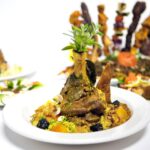
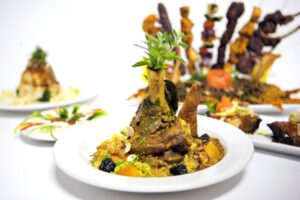
Tizih n’Tazzekount, the Berber feast of couscous, is a traditional centerpiece of Yennayer celebrations. This dish is a masterclass in the art of layering flavors, with every ingredient carefully selected to ensure a symphony of tastes that will leave your guests wanting more. The key to a perfect Tizih n’Tazzekount lies in the choice of ingredients, where fresh lamb, chicken, or beef are commonly used, accompanied by chickpeas, carrots, and raisins for added sweetness and texture.
A fragrant broth is prepared with garlic, onions, ginger, cumin, and coriander, providing the dish with its unique flavor profile. As the couscous steams, each grain is gently separated, ensuring a light and fluffy texture. Once ready, the dish is served on a large, ornate platter, inviting all to share in the communal spirit of the Berber New Year.
Did you know that the preparation of Tizih n’Tazzekount is an ancient tradition that dates back to the time of our ancestors? It’s a time-honored ritual that brings people together, fosters community, and celebrates the bounty of the earth. This year, why not bring this tradition to life in your own home, sharing the love and warmth of the Berber New Year with your loved ones?
2. The Bite of M’smen: Fluffy Berber Pancakes
No Yennayer celebration would be complete without the delightful M’smen, traditional Berber pancakes. These fluffy, flaky pancakes are a staple at breakfast tables and are often enjoyed with honey, butter, or cheese. But what makes M’smen truly special is the care and attention that goes into preparing the dough.
M’smen dough is made from fine semolina flour, water, and salt, kneaded until it forms a smooth, elastic mixture. The dough is then left to rest, allowing the gluten to relax and the flavors to develop. Once rested, the dough is rolled out into a large, thin rectangle and generously brushed with butter or oil.
The dough is then folded in thirds, like a business letter, and rolled out again. This process is repeated several times, creating the signature layers that give M’smen their distinctive texture. The folded dough is then cut into square or rectangular pieces, which are pan-fried until golden brown.
Did you know that M’smen are often served with a drizzle of honey and a sprinkle of cinnamon? It’s a match made in heaven, with the sweetness of the honey perfectly balanced by the warmth of the cinnamon. This year, why not try your hand at making M’smen, and experience the delight of this traditional Berber treat?
3. The Savor of B’souna: A Berber Chicken Stew
B’souna is a flavorful Berber chicken stew that is another essential dish during Yennayer celebrations. This hearty meal is slow-cooked, allowing the flavors to meld and intensify, resulting in a comforting, satisfying meal that will leave you feeling full and content.
Chicken pieces are marinated in a blend of garlic, ginger, cumin, coriander, and paprika before being browned in a hot pan. Onions, tomatoes, and carrots are then added, followed by a generous helping of chickpeas. The chicken and vegetables are cooked together until tender, with a fragrant broth developing.
The stew is seasoned to perfection with salt, pepper, and a dash of cayenne pepper for a hint of heat. B’souna is traditionally served with M’smen or Tahina, a sesame seed paste, offering a delightful contrast of textures and flavors.
Did you know that B’souna is often served at Berber weddings and celebrations? It’s a dish that brings people together, and is often served with a side of bread or couscous. This year, why not try your hand at making B’souna, and experience the joy and warmth of this traditional Berber stew?
4. The Crunch of Khlib: Berber Bread
Khlib, Berber bread, is a staple in Amazigh cuisine and an essential component of any Yennayer feast. This unleavened bread is dense and hearty, perfect for soaking up flavors and providing a satisfying bite. Khlib is made from fine semolina flour, water, and salt, kneaded until it forms a smooth, elastic mixture.
The dough is then divided into smaller portions, each rolled out into a thin circle and cooked on a hot, well-oiled skillet. The bread is cooked until it puffs up and develops golden-brown spots, at which point it is removed from the skillet and placed on a rack to cool.
Did you know that Khlib is often served with a variety of dishes, from Tizih n’Tazzekount to B’souna? It’s a versatile bread that pairs perfectly with a range of flavors and textures. This year, why not try your hand at making Khlib, and experience the delight of this traditional Berber bread?
5. The Sweetness of Seffa: Berber Honey Semolina Pudding
Seffa, a sweet Berber semolina pudding, is a traditional dessert that is often enjoyed during Yennayer celebrations. This rich, creamy pudding is a masterclass in the art of layering flavors, with every ingredient carefully selected to ensure a symphony of tastes that will leave your guests wanting more.
Semolina flour is cooked in a mixture of milk and water, stirred continuously until it thickens and forms a smooth, porridge-like consistency. A generous helping of honey is added, along with a pinch of cinnamon and ground almonds for texture.
The pudding is then poured into individual serving dishes and allowed to cool. Seffa can be enjoyed warm or cold, making it an ideal dessert for any time of year. It is traditionally served with a sprinkle of cinnamon and a drizzle of honey on top.
A Call to Action: Embrace Your Roots
As we approach the Berber New Year, let’s take a moment to reflect on the rich cultural heritage that defines us. Whether you’re a seasoned cook or a curious foodie, this article has hopefully inspired you to explore the wonderful world of Amazigh cuisine. So, this Yennayer, let’s come together to celebrate our roots, share our stories, and enjoy the flavors of our heritage. Happy Yennayer 2026!
You might also enjoy
Related Articles
- Celebrating Ramadan Traditions: 8 Revolutionary Novels and Stories by Arab Women – A Must-Read for the Maghrebi Diaspora
- Renting a Moroccan Riad on Airbnb: A Comprehensive Guide for the Maghrebi Diaspora
- Unveiling the Future of Amazigh Culture in Morocco: Challenges and Opportunities
- Paris Baguette Outlets in Singapore Now Halal-Certified: A Delicious News for the Maghrebi Diaspora
- A Local’s Guide to the Best Halal Restaurants in Hong Kong for Maghrebi Diaspora Readers