Celebrating Yennayer 2026: A Culinary Journey Through Traditional Amazigh Delicacies
As the Maghrebi diaspora community gears up to celebrate Yennayer 2026, the Amazigh New Year, it’s the perfect opportunity to dive into the rich culinary heritage that lies at the heart of our culture. In this article, we’ll embark on a culinary journey through the traditional Amazigh delicacies that make Yennayer a truly unique and delicious celebration. From the slow-cooked stews to the sweet and indulgent desserts, we’ll explore the dishes that bring people together and create unforgettable memories.
Tajine: A Staple Dish for Any Occasion
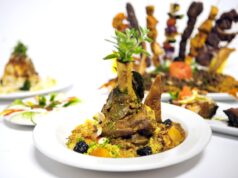
Tajine, a North African slow-cooked stew, is a staple dish that’s deeply rooted in Amazigh cuisine. Traditionally cooked in an earthenware pot with the same name, tajine dishes are characterized by their tender, flavorful meats and aromatic spices. For Yennayer, lamb is the preferred meat, symbolizing renewal and prosperity. The slow cooking process allows the flavors to meld together, creating a harmonious symphony of tastes that is sure to delight your senses.
One of the most popular tajine recipes for Yennayer is ‘Tajine de Merguez’, which features spicy Merguez sausages, carrots, potatoes, and a medley of spices like cumin, coriander, and paprika. This dish is a masterclass in layering flavors, with each spoonful revealing a new depth of taste and aroma. The combination of tender lamb, crispy sausages, and sweet spices is a true celebration of the senses.
Another traditional tajine recipe is ‘Tajine de Pigeon’, made with pigeon meat and olives. This dish is not only a gastronomic delight but also a nod to the Amazigh tradition of pigeon farming, which has been a part of the Amazigh way of life for centuries. The combination of tender pigeon meat, rich olives, and aromatic spices creates a dish that’s both familiar and comforting, yet excitingly new.
Couscous: The Cornerstone of Amazigh Cuisine
Couscous, a granular wheat product, is the cornerstone of Amazigh cuisine and is often served during Yennayer celebrations. The preparation of couscous is a labor-intensive process that involves steaming the couscous granules over a pot of simmering broth. For Yennayer, lamb, chickpeas, and a variety of vegetables are used to create a flavorful and nutritious couscous dish.
One of the most famous couscous dishes is ‘Couscous Royale’, which is made with seven types of meat, seven vegetables, and seven spices. This dish symbolizes the abundance and prosperity that the Amazigh people wish for during Yennayer. The combination of tender meats, crunchy vegetables, and aromatic spices is a true celebration of the senses, and a testament to the rich culinary heritage of the Amazigh people.
Another popular couscous dish is ‘Couscous de Poisson’, made with fresh fish and vegetables. This dish is a testament to the Amazigh people’s strong relationship with the sea and their coastal communities. The combination of tender fish, crunchy vegetables, and aromatic spices creates a dish that’s both fresh and flavorful, and a true celebration of the senses.
Salads: A Fresh and Refreshing Accompaniment
Salads play a crucial role in Amazigh cuisine, providing a fresh and refreshing contrast to the rich, hearty dishes. One of the most popular salads during Yennayer is ‘Salade Tounsia’, made with tomatoes, cucumbers, onions, olives, and a tangy lemon dressing. This salad is a masterclass in simplicity, with each ingredient working together to create a dish that’s both familiar and comforting.
Another popular salad is ‘Salade Berbère’, which features a mix of leafy greens, bell peppers, and a spicy dressing made with chili peppers, garlic, and olive oil. This salad is not only a delicious accompaniment to the main dishes but also a reflection of the Amazigh people’s love for spicy and flavorful foods. The combination of crunchy vegetables, tangy dressing, and spicy kick is a true celebration of the senses, and a testament to the rich culinary heritage of the Amazigh people.
Salads are often served as a starter or side dish during Yennayer celebrations, offering a light and refreshing contrast to the heavier main dishes. They’re the perfect accompaniment to the rich and hearty dishes, and a testament to the Amazigh people’s love for fresh and flavorful foods.
Breads: The Foundation of Amazigh Meals
Bread plays a vital role in Amazigh cuisine, serving as the foundation of many meals. One of the most popular breads is ‘Khobz’, a round, flatbread made from wheat flour. Khobz is often served with tajine and couscous dishes, and is a staple in many Amazigh households. The combination of warm bread, flavorful stews, and aromatic spices is a true celebration of the senses, and a testament to the rich culinary heritage of the Amazigh people.
Another popular bread is ‘Msemmen’, a flaky, layered bread that is similar to a crepe. Msemmen is often served with honey or molasses for a sweet and indulgent treat. This bread is a masterclass in texture and flavor, with each layer adding a new depth of taste and aroma to the dish.
During Yennayer celebrations, bread is not only a crucial component of the meal but also a symbol of unity and togetherness, reflecting the Amazigh values of community and camaraderie. The sharing of bread is a time-honored tradition in Amazigh culture, and is a testament to the importance of community and family in the Amazigh way of life.
Desserts: A Sweet Ending to a Memorable Feast
Desserts play a vital role in Yennayer celebrations, offering a sweet and indulgent ending to a memorable feast. One of the most popular desserts is ‘M’hanncha’, a sweet, coiled pastry filled with almonds and honey. This dessert is a masterclass in texture and flavor, with each bite revealing a new depth of taste and aroma.
Another popular dessert is ‘Khalwa’, a semolina-based pudding flavored with rose water, orange blossom water, and honey. Khalwa is a favorite among the Amazigh people and is often served during Yennayer celebrations. The combination of creamy pudding, floral flavors, and sweet honey is a true celebration of the senses, and a testament to the rich culinary heritage of the Amazigh people.
Desserts not only provide a sweet ending to the meal but also symbolize the sweetness and joy that the Amazigh people hope for in the coming year. They’re the perfect way to cap off a memorable feast, and a testament to the Amazigh people’s love for sweet and indulgent treats.
Conclusion: Preserving and Celebrating Our Culinary Heritage
As we celebrate Yennayer 2026, let’s take a moment to appreciate and celebrate the rich culinary heritage that lies at the heart of our Amazigh culture. These traditional delicacies not only offer a delicious culinary experience but also serve as a reminder of our shared history, values, and traditions. So, let’s gather with our loved ones, share a feast, and celebrate the Amazigh spirit.
Remember, our culinary heritage is a precious treasure that we must preserve and pass on to future generations. So, whether you’re cooking at home or joining a Yennayer celebration, let’s make a commitment to celebrating and preserving our Amazigh culinary heritage.
You might also enjoy
Related Articles
- Celebrating Yennayer 2026: A Culinary Journey into Traditional Amazigh Delicacies
- New Ramadan Delicacies with North African Flavors: A Culinary Journey for the Maghrebi Diaspora
- Celebrating Eid al-Fitr with Moroccan Cookie Recipes: A Sweet Journey Through the Maghrebi Diaspora
- Preserving and Promoting Maghrebi Culinary Heritage in the Diaspora: A Call to Action
- Embracing Maghrebi Traditions: A Guide to Celebrating Ramadan within the Diaspora in the US