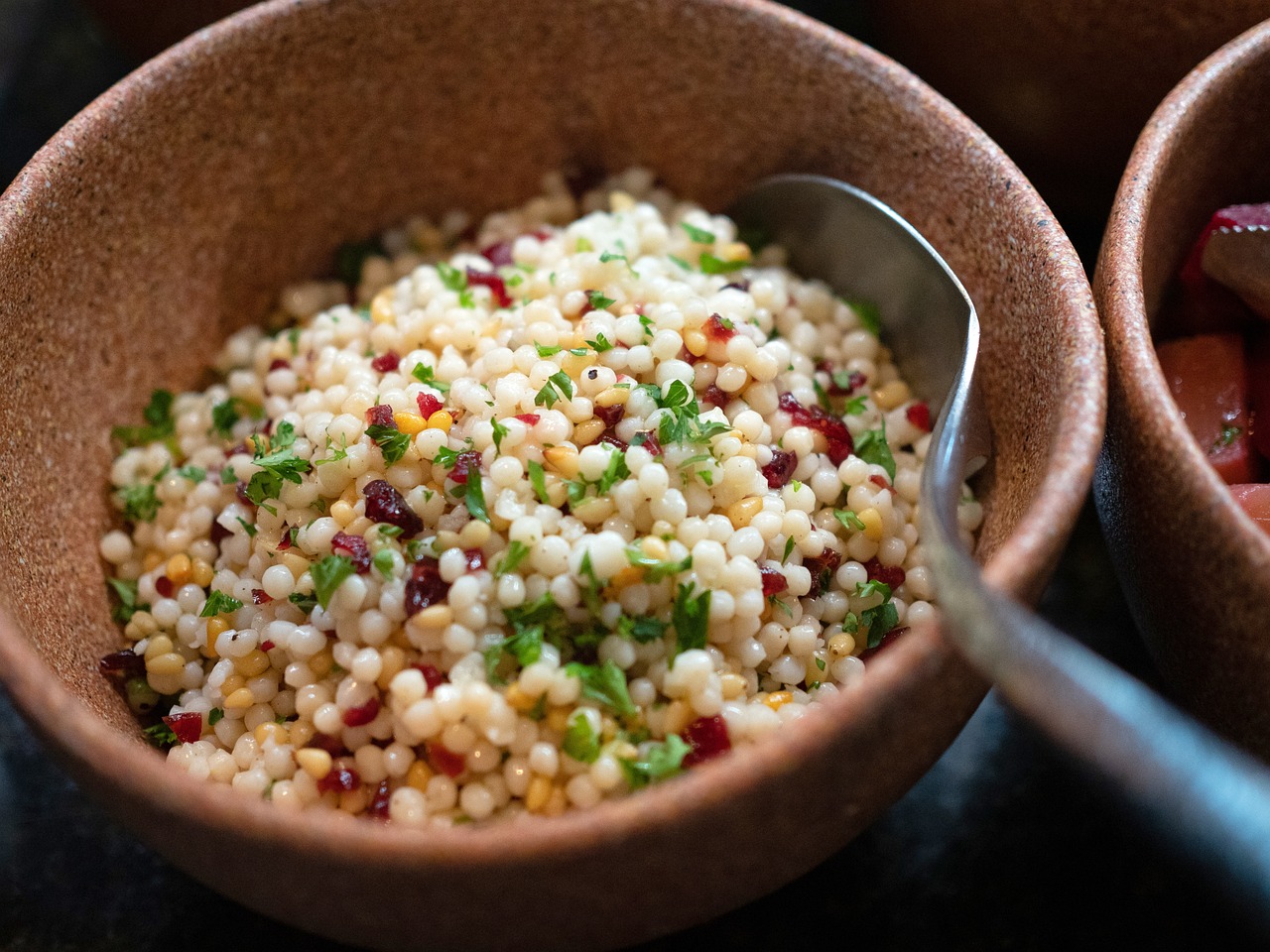
Here is the improved HTML article:
In a region divided by borders and centuries of conflict, couscous has a unique power: to bring together the Algerian, Tunisian, and Moroccan people in celebration. From Casablanca to Constantine, this humble grain plays an essential role in family gatherings, weddings, and festivals, bridging generations and cultures. This recipe is not just for dinner; it’s a call to unity, inviting friends and family to share in the rich tradition of Maghrebi cuisine.
History and Origins
Couscous has been central to the Maghrebi diet since ancient times, with roots dating back over 3000 years to the Berber civilization. Each country has its own unique take on this versatile dish – Moroccan couscous is renowned for its rich seven-vegetable and lamb stew, while Algerian couscous is spicy and often includes merguez sausages, and Tunisian couscous boasts fish and capers. But no matter the ingredients or preparation methods, one thing remains constant: couscous is the glue that binds families, communities, and nations together.
Ingredients (serves 6)
- 500 g medium-grain couscous – not instant couscous if you can help it; this traditional grain is worth the extra effort
- 800 g bone-in chicken thighs or rabbit pieces – you can also use lamb or goat meat for a more authentic flavor
- 4 medium carrots – peeled and halved, these sweet vegetables add natural sweetness to the dish
- 4 medium courgettes – halved lengthways, zucchinis bring moisture and a hint of freshness to the couscous
- 3 medium turnips – peeled and quartered, these slightly sweet roots add depth to the dish
- 1 large can of chickpeas (400 g) – drained and rinsed, chickpeas provide protein and creaminess
- 2 large tomatoes – quartered, juicy tomatoes add a burst of flavor to the couscous
- 3 large onions – finely chopped, divided into two portions for sautéing and adding depth to the broth
- 8 tbsp olive oil – use high-quality olive oil for its rich flavor and health benefits
- 4 tsp ras el hanout – a blend of spices, this Moroccan seasoning adds warmth and complexity to the dish
- 2 tsp ground coriander – warm and aromatic, coriander is a staple spice in Maghrebi cuisine
- 1 tsp ground cumin – earthy and slightly bitter, cumin adds balance to the dish
- ½ tsp ground ginger – spicy and invigorating, ginger adds a burst of energy to the couscous
- ½ tsp ground turmeric – bright yellow and slightly bitter, turmeric adds warmth and depth to the dish
- Salt and black pepper – to taste, use these essentials to season the couscous and bring out its natural flavors
- Fresh coriander – a large handful, chopped; fresh herbs add a bright, citrusy flavor to the dish
- Fresh parsley – a small bunch, finely chopped; parsley adds freshness and a pop of color to the couscous
- 2 litres chicken stock or water – use high-quality stock for added depth and richness
Step-by-Step Instructions
Prep time: 30 minutes | Cook time: 1 hour 30 minutes | Difficulty: Medium
- Sauté the vegetables and spices: heat half of the olive oil in a large pot over medium-high heat. Add two chopped onions, fry until soft and golden, about 5 minutes. Add ras el hanout, coriander, cumin, ginger, and turmeric, stir for 30 seconds until fragrant.
- Brown the meat: add chicken or rabbit pieces to the pot and brown on all sides, about 8 minutes total. Remove and set aside.
- Build the broth: add chicken stock or water, chopped tomatoes, remaining olive oil, salt, and pepper to the pot. Bring to a boil, then reduce heat and simmer for 30 minutes.
- Add vegetables in stages: after 20 minutes of simmering, add carrots and turnips – they need the most time. After another 15 minutes, add courgettes and chickpeas. Taste the broth and adjust seasoning as needed.
- Prepare the couscous: place couscous in a large bowl, drizzle with 2 tbsp olive oil, and rub between your palms to coat each grain. Add 300 ml of warm chicken stock or water, stir, and leave to absorb for 5 minutes. Rake with a fork to separate grains.
- Steam the couscous: place couscous in the top of the couscoussier or a fine-mesh colander over the pot of simmering broth. Cover and steam for 20 minutes. Remove, break up any clumps with a fork, add a knob of butter, and return to steam for an additional 10 minutes until perfectly fluffy.
- Finish the dish: when couscous is ready, remove from heat and toss with fresh herbs. Add chicken or rabbit pieces back to the pot, simmer for 5 minutes to reheat and combine flavors. Spoon the couscous into a large serving dish, pour the broth over the top, and serve hot.
Tips for Success
The difference between good couscous and great couscous usually comes down to a few small details that experienced cooks know by instinct. By following these simple tips, you’ll be well on your way to creating a dish that will impress even the most discerning palates.
- Never stir couscous while it steams – lift and fluff gently with a fork only after removing from heat
- If grains are clumping, add a tiny drizzle of olive oil and work it in with your fingertips
- The broth should be fragrant and slightly reduced – if it tastes thin, simmer uncovered for 10 minutes before serving
- For special occasions: use lamb or goat meat instead of chicken for a more traditional flavor
- Leftovers keep 3 days in the fridge; store couscous and broth separately
Regional Variations
The Algerian version often adds merguez sausages and uses more harissa in the broth for a spicier profile. In Tunisia, couscous is frequently made with fish and capers on the coast. For a truly unique experience, try the Moroccan version featuring seven vegetables and lamb.
Serving and Presentation
Serve the couscous mounded in a large communal dish with the vegetables arranged on top and the meat pieces nestled in the centre. Ladle the broth into a separate bowl for guests to pour over as they like. Scatter fresh coriander, parsley, and harissa over the top.
Conclusion
Couscous is more than just a dish – it’s a symbol of unity and tradition that transcends borders and generations. By sharing this recipe with friends and family, you are not only celebrating a delicious meal but also preserving the rich cultural heritage of the Maghreb.
You might also enjoy
Related Articles
- Mastering the Art of Maghrebi Cuisine: A Guide to Chef Salam Dakkak’s Bandor Fry Recipe
- Savoring a Traditional One-Pot North African Chickpea Soup: A Delicious Family Recipe from Home
- Assessing Health Risks of Ebola in North Africa and MENA Region for Travelers: A Comprehensive Guide for the Maghrebi Diaspora
- A Local’s Guide to Halal Restaurants in Hong Kong – A Taste of Maghrebi Culture Abroad
- Navigating Cultural Representation and Self-Orientalization among North Africans: A Guide for Maghrebi Diaspora