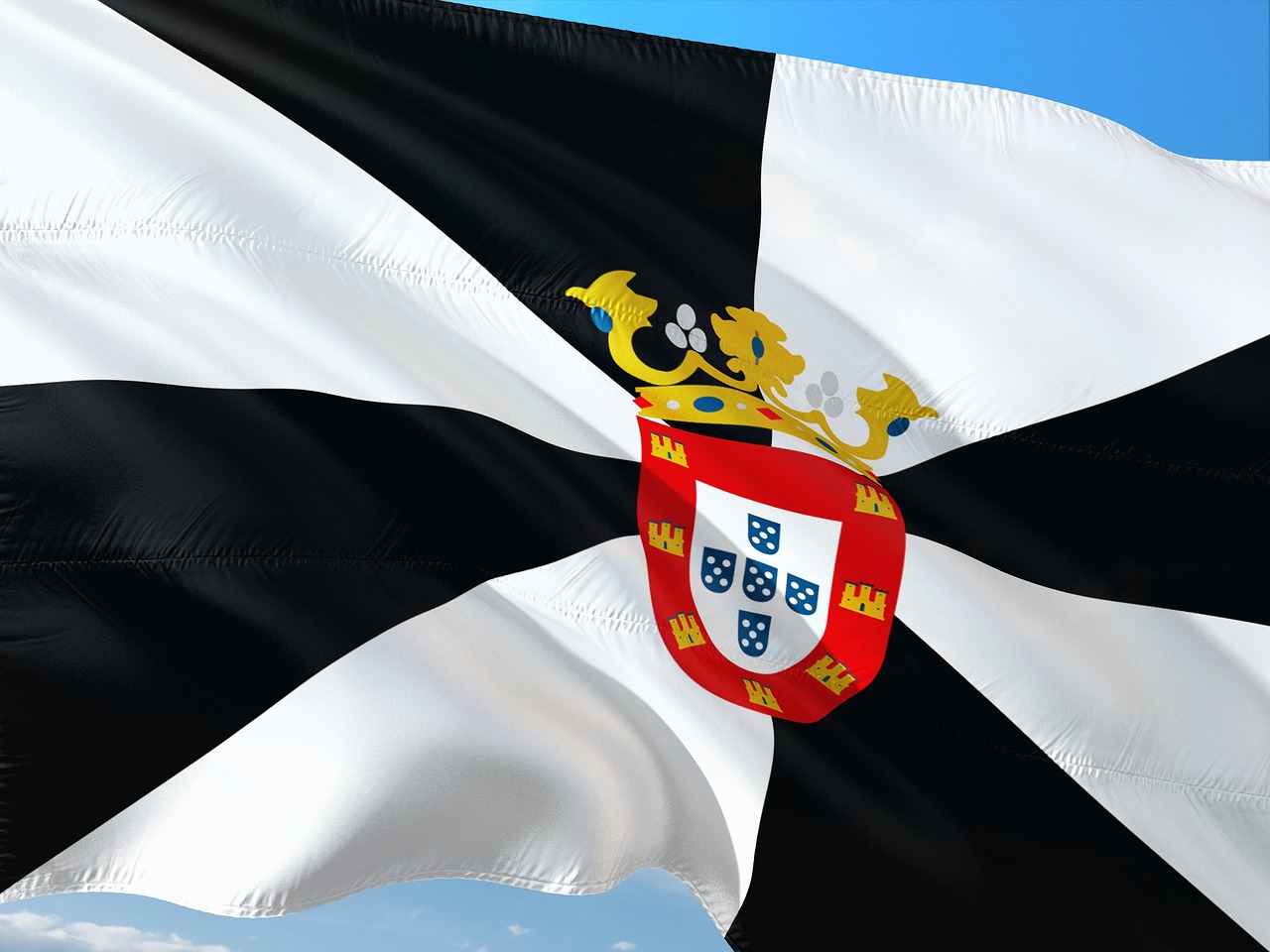
Travel Advisory for Ceuta Enclave: What Algerians, Tunisians, and Moroccans Need to Know
Welcome, fellow Maghrebi travelers! If you’re considering visiting or even moving to the fascinating city of Ceuta, located on the North African coast, it’s essential to be well-versed in local regulations, travel requirements, and potential challenges that lie ahead. As a hub for cultural exchange between Europe and Africa, Ceuta offers a unique blend of traditions, cuisines, and architectural styles. However, with great opportunities come responsibilities – it’s crucial to be aware of the intricacies involved in traveling to this autonomous Spanish city.
Travel Requirements
Before embarking on your journey, make sure you have a valid passport as a citizen of Algeria, Tunisia, or Morocco. Depending on the duration and purpose of your stay, some nationalities might require a visa to enter Ceuta. It’s vital to check the Spanish government’s official website for the most up-to-date travel requirements, as these can change without notice.
When traveling by land from mainland Spain to Ceuta, keep in mind that you’ll be entering Morocco initially. However, the Moroccan authorities do not control this part of the boundary, and crossing the border illegally could have serious consequences. Be sure to check the specific requirements for ferry operators if you plan to travel by sea.
As a visitor, you’ll need to provide proof of sufficient funds for your stay upon arrival in Ceuta. Additionally, be prepared to present your passport, any necessary visas, and other relevant documentation during customs and immigration checks.
Customs and Immigration
When arriving in Ceuta, you’ll go through a series of customs and immigration checks. Be prepared to provide your passport, any necessary visas, proof of sufficient funds for your stay, and other relevant documentation. It’s crucial to understand the regulations regarding the length of stay for visitors without a residence permit, as these can vary depending on your nationality.
When crossing from Ceuta into Morocco, be prepared for separate customs and immigration checks. Local authorities may conduct thorough inspections, so it’s essential to have all necessary documents in order and be aware of any potential issues that could arise.
Laws and Culture
Ceuta follows Spanish law, which includes regulations related to personal behavior, such as public displays of affection or consumption of alcohol in certain areas. Familiarize yourself with these laws to avoid any misunderstandings or legal issues during your stay.
The city has a predominantly Catholic population, but it welcomes people of all faiths and cultural backgrounds. When visiting religious sites or participating in cultural events, respect local customs and sensitivities to ensure a harmonious experience for all parties involved.
Penalties for breaking the law in Ceuta can be severe, so it’s crucial to understand and abide by local laws during your stay. This includes respecting traffic rules, not carrying illegal substances, and avoiding any other behaviors that could lead to legal consequences.
Health and Safety
Ceuta has a well-developed healthcare system, but it’s essential to have travel insurance that covers medical expenses. European Health Insurance Cards (EHIC) are not valid in Ceuta, so make sure you’re adequately protected.
Although Ceuta is generally considered safe, petty crime such as pickpocketing and theft can occur, especially in tourist areas. Take precautions to secure your belongings and avoid displaying valuable items openly during your stay.
In case of emergency, dial 112 for police, fire, or medical assistance in Ceuta. It’s also a good idea to register with the local authorities upon arrival and keep your embassy or consulate contact information handy in case you need assistance.
Conclusion
Visiting Ceuta can be an exciting opportunity to experience the unique blend of European and North African cultures that this city has to offer. By following the travel advisories outlined above, you can ensure a smooth journey and make the most of your time in this vibrant city.
Remember to check the latest updates on travel requirements, customs regulations, local laws, and health safety measures before planning your trip. With proper preparation and awareness, you’ll be well-equipped to navigate the intricacies involved in traveling to Ceuta and make the most of your experience.
You might also enjoy
Related Articles
- Travel Advisory for a Safe and Enriching Trip Within the MENA Region: A Comprehensive Guide for Maghrebi Diaspora
- Exploring the MENA Region: A Comprehensive Travel Advisory for Maghrebi Diaspora
- Chef Salam Dakkak’s Guide to Preparing Award-Winning Bandor Fry
- Reconnecting with Our Roots: A Revival of Young French Jews in the Maghreb
- Chef Salam Dakkak’s Bandor Fry Recipe and Advice for Success: A Culinary Journey through Maghrebi Cuisine