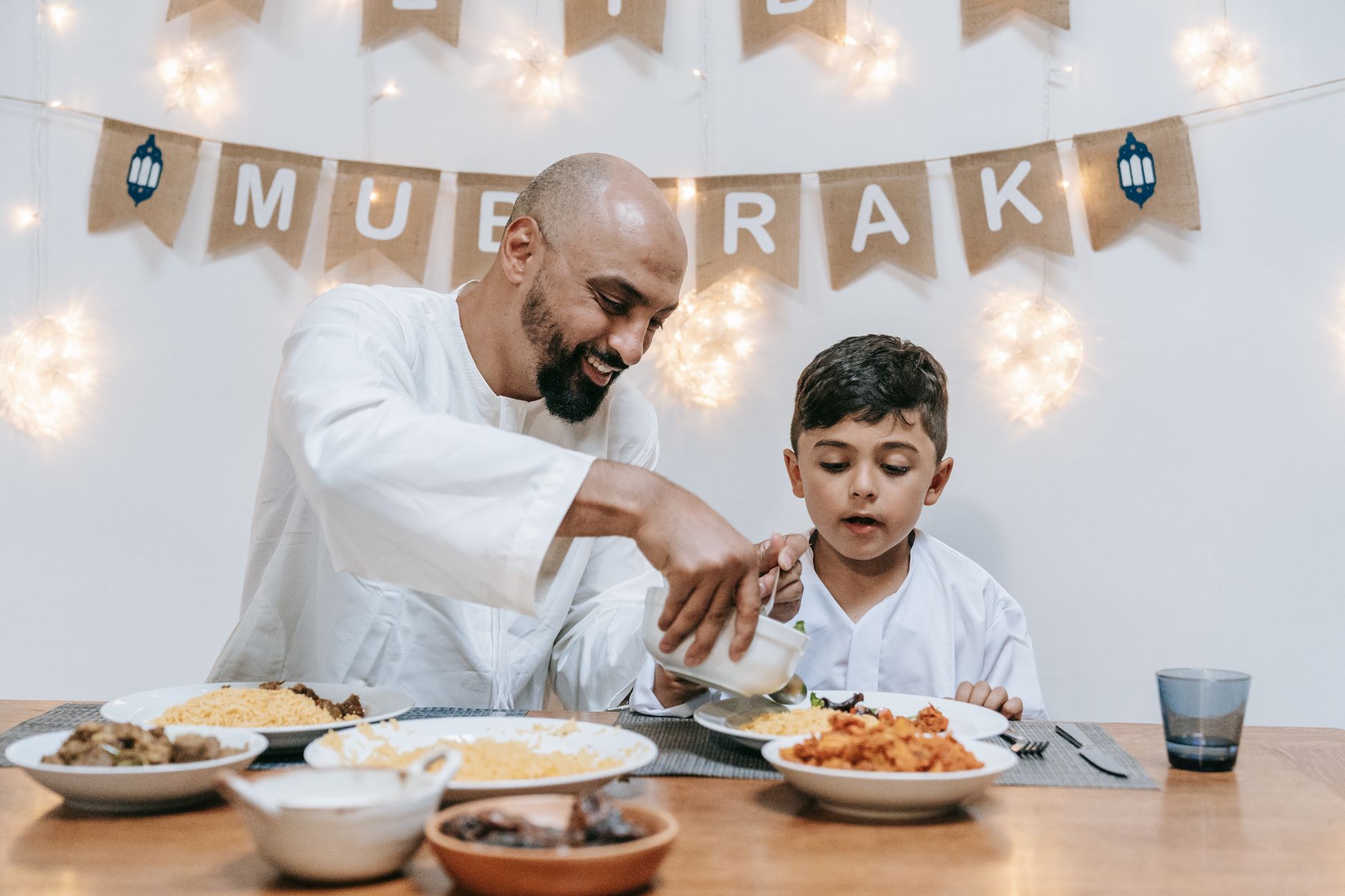
The Rise of Arab Comfort Food in the US: A Taste of Home
In recent years, we’ve witnessed a remarkable surge in the popularity of Arab cuisine across the United States. This phenomenon has seen flavors from the Middle East and North Africa gain widespread recognition, becoming an integral part of American dining culture. But what’s behind this rise to fame? In this article, we’ll delve into the roots of Arab comfort food in the US, its evolution over time, and the significant role played by the Maghrebi diaspora community.
1. The Roots of Arab Cuisine in the US
The journey of Arab cuisine to American shores began with early waves of immigration from Syria and Lebanon during the late 19th and early 20th centuries. As these immigrants settled into their new homes, they brought with them the rich culinary traditions that had been passed down through generations.
Early Arab eateries often catered to fellow immigrants and travelers passing through, but as more people became exposed to the exotic flavors and aromas of Middle Eastern cuisine, demand began to grow beyond these communities. This marked the beginning of a new era in American dining culture, one that would be shaped by the cultural heritage of these early immigrant groups.
The success of these early establishments paved the way for an influx of restaurants in the following decades, offering a diverse range of dishes that would eventually become beloved by many. From traditional favorites like shawarma and falafel to innovative fusion dishes, Arab cuisine was slowly gaining traction on American soil.
2. The Evolution of Arab Cuisine in American Culture
As Arab cuisine gained popularity, it began to evolve and adapt to suit local tastes and preferences. This natural process led to the development of Middle Eastern-inspired comfort food – a unique fusion of flavors that would become a staple in American dining culture.
One notable example is the rise of shawarma and falafel stands across major cities like New York and Los Angeles. These fast-casual spots offer affordable, quick meals that cater to a wide audience, making them an integral part of American street food culture. And it’s not just about the food – these establishments have also become community hubs, where people can gather to share stories and enjoy good company.
Moreover, the fusion of Arab cuisine with other culinary traditions has led to innovations like Lebanese tacos and Arab-inspired pizzas. These creative combinations provide new ways for Americans to experience the flavors of the Middle East, while introducing them to a wider audience.
3. The Maghrebi Diaspora’s Contribution
The Maghrebi diaspora has played a significant role in the proliferation of Arab cuisine in the US. With millions of North Africans living in America, they have brought their unique culinary traditions to the table.
From Moroccan tagines and Tunisian couscous to Algerian chorba, these dishes have enriched the American palate and provided a taste of home for Maghrebi immigrants. Moreover, these communities have also established successful businesses, such as restaurants and catering services, that cater specifically to their fellow countrymen.
This has helped preserve traditional recipes while introducing them to a wider audience. For many Maghrebi immigrants, sharing their culinary heritage with others is a way to connect with their cultural roots and maintain a sense of community in their new homes.
4. The Influence of Social Media
Social media platforms like Instagram and YouTube have played a pivotal role in the rise of Arab comfort food in the US. Celebrity chefs, home cooks, and food bloggers from the Middle East and North Africa have shared their recipes and culinary expertise with millions of followers, sparking interest and inspiring others to try these flavors at home.
Moreover, social media has facilitated a sense of community among diaspora members, allowing them to connect with fellow food enthusiasts, share recipes, and stay connected to their cultural heritage. It’s not uncommon to see hashtags like #MaghrebiFood or #MiddleEasternCuisine trending on social media platforms.
5. The Future of Arab Comfort Food in the US
The popularity of Arab comfort food in the US shows no signs of slowing down, as more people continue to be introduced to these flavors and embrace them as their own. As the demand for Arab cuisine grows, we can expect to see an increase in high-end restaurants offering refined interpretations of traditional dishes.
Moreover, we anticipate further fusion with other culinary traditions, leading to innovative new creations that blend the best of both worlds. And with social media platforms continuing to drive interest in these flavors, Arab comfort food is poised to remain a staple in American dining culture for years to come.
Conclusion
The rise of Arab comfort food in the US has been a journey marked by adaptation, innovation, and a deep appreciation for cultural heritage. For Maghrebi immigrants and diaspora members, these flavors offer a taste of home that transcends geographical boundaries.
As we continue to explore and celebrate Arab cuisine, we encourage everyone to seek out new dishes, support local businesses, and embrace the rich tapestry of flavors that makes up this vibrant culinary tradition. Share your favorite recipes with friends, family, and fellow food enthusiasts – after all, there’s no better way to bring people together than through the universal language of food.
You might also enjoy
Related Articles
- A Taste of Home: The Rise and Popularity of Arab Comfort Food in the U.S.
- A Journey Through Flavors: Savoring Authentic North African Comfort Food Recipes
- Celebrating the Richness of Middle Eastern and North African Culture at OC MENA Festival
- Exploring Algeria: Unveiling Culture, Traditions, and Delectable Cuisine
- Cultural Exchange: Algerian, Tunisian, and Moroccan Cuisine at Popular Festivals in the U.S