Here is the improved HTML article:
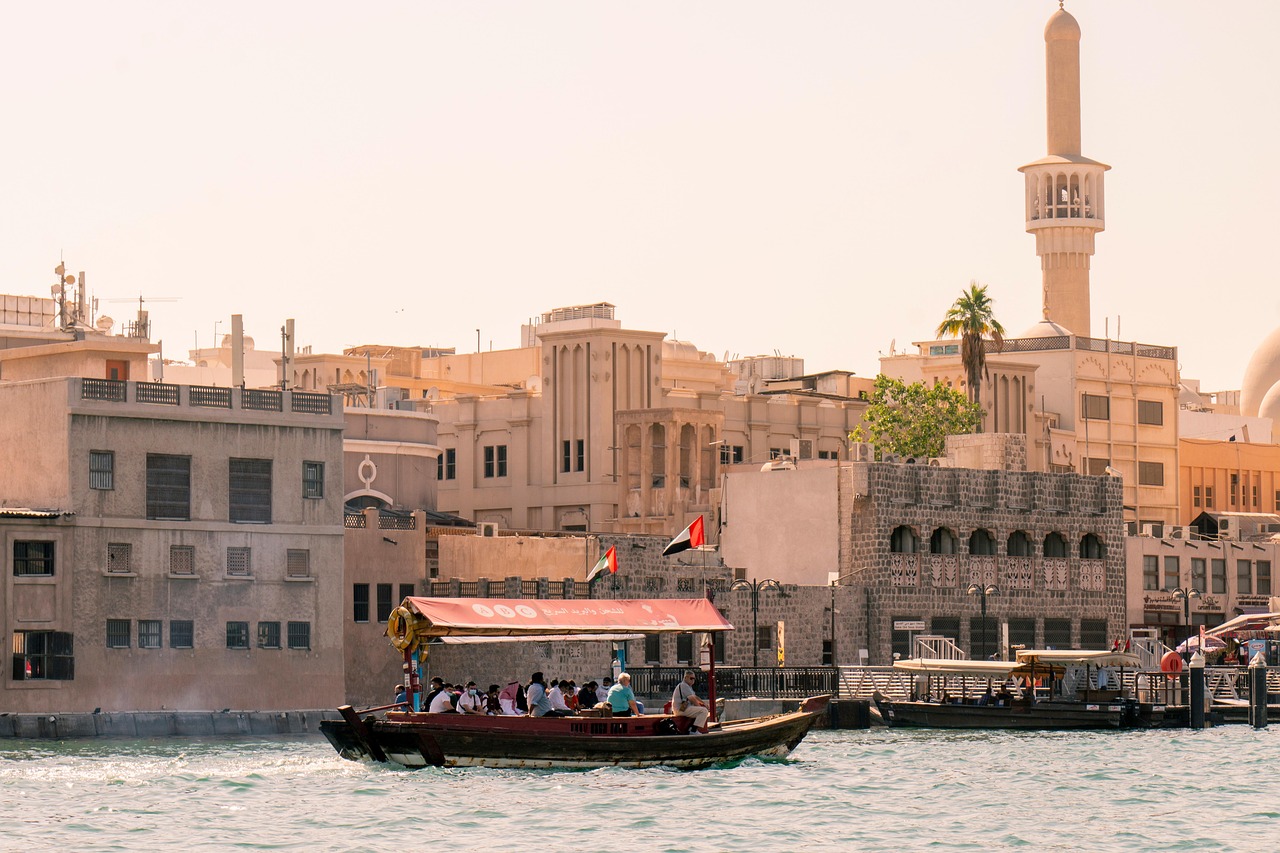
Traveling through North Africa offers a treasure trove of cultural experiences that go far beyond sandy beaches and ancient ruins. Algeria, the largest country in Africa with its rich history and vibrant communities, is a must-visit destination for those seeking an authentic encounter. Immerse yourself in the soul of Algeria by exploring its traditions and cuisine, as this recipe takes you on a journey through the flavors, stories, and values that shape modern Algerian identity.
History
Algeria’s history is a rich tapestry woven over 3,000 years, with Berber roots dating back to the Paleolithic era. The Romans, Vandals, Byzantines, and Arabs have left their marks on the country, but it was the Ottomans and French that most significantly influenced its culture and cuisine. Algerian independence in 1962 marked a new era of self-discovery and identity formation — a journey still ongoing today.
As you wander through the bustling markets or quiet alleys of Algiers, you’ll notice the subtle blend of French colonial architecture, Islamic artistry, and Berber heritage that defines modern Algerian culture. It’s a cultural melting pot that’s uniquely shaped by its complex history.
Ingredients (serves 4)
This recipe showcases a traditional Algerian meal, served for special occasions such as weddings or Eid al-Fitr. The main dish is a fragrant chicken tagine cooked in olives and preserved lemons, accompanied by couscous and a selection of sides that showcase the country’s love for rich flavors and textures.
- 800 g bone-in chicken thighs
- 400 g pitted green olives
- 3 large preserved lemons
- 2 tsp coriander seeds
- 1 tsp cumin seeds
- 1 tsp paprika
- ½ tsp saffron threads, crushed
- 3 tbsp olive oil
- 4 medium carrots
- 4 medium potatoes
- 1 large onion
- 6 cloves garlic, minced
- 2 tsp salt
- 1.5 liters chicken stock
- 500 g couscous
- 200 g harissa
Step-by-Step Instructions
Prep time: 30 minutes | Cook time: 1 hour | Difficulty: Medium
- Toast the spices: heat a large pot over medium heat. Add coriander seeds and cumin seeds, stirring for 2-3 minutes until fragrant. Remove from heat and grind in a mortar and pestle or spice grinder.
- Brown the chicken: return the pot to medium heat and add olive oil. Add chicken thighs, season with salt, and brown on all sides for 10 minutes. Take your time, as this step is crucial for developing the dish’s rich flavors.
- Prepare the tagine sauce: in a separate pan, sauté minced garlic and onion over medium heat until softened (about 5 minutes). Add crushed spices, paprika, and saffron, stirring for 30 seconds. Stir in olives, preserved lemons (roughly chopped), chicken stock, and chicken pieces from the previous step.
- Simmer the tagine: cover the pot and bring to a boil, then reduce heat and simmer for 45 minutes or until chicken is cooked through and tender. Let the flavors meld together as you prepare the couscous and sides.
- Prepare the couscous: while the tagine cooks, prepare couscous according to package instructions. Fluff with a fork and set aside. You can also add some chopped parsley or coriander for added freshness.
- Cook the sides: cut carrots and potatoes into large pieces, add to a pot of salted boiling water and cook until tender (about 15 minutes). Drain and season with salt and pepper. For an added pop of color, garnish with some chopped fresh herbs like parsley or cilantro.
Tips for Success
Algerian cuisine is known for its bold flavors and layered textures. Here are some tips to help you master this traditional dish:
- Preserved lemons are a key ingredient in Algerian cooking. They can be found at specialty stores or online, so don’t hesitate to seek them out.
- Take your time when browning the chicken – caramelization is essential for developing the dish’s rich flavors.
- Serve with harissa on the side for added heat and a burst of flavor. You can also add some chopped fresh parsley or cilantro for garnish.
Regional Variations
Algerian cuisine varies across the country due to regional differences in ingredients and climate. For example, seafood is more prominent along the coast while lamb and goat are common in rural areas. This dish is a great representation of Algerian cuisine’s ability to blend flavors and textures from different regions.
Serving and Presentation
Arrange the cooked chicken tagine, couscous, carrots, and potatoes on a large communal platter. Serve harissa in a small bowl on the side for guests to add as desired. In Algeria, it’s customary to eat with the right hand, so don’t forget to keep that in mind when serving this dish.
Conclusion
Exploring Algerian culture through its cuisine offers a unique and enriching travel experience. This recipe invites you to connect with the vibrant flavors, stories, and values that shape modern Algeria. Share your journey with us in the comments below! What’s your favorite Algerian dish or culinary tradition? We’d love to hear about it.
You might also enjoy
Related Articles
- Empowering the Amazigh Minorities in North Africa: A Guide for the Maghrebi Diaspora
- Planning Your First Trip to Africa: A Comprehensive Guide for Maghrebi Diaspora
- Embracing Amazigh Culture in Family Life: A Journey for Maghrebi Diaspora
- Discovering Algerian Culture at DZ Fest in the UK: A Comprehensive Guide
- Unveiling the Rich Ancient Cultures of Phoenicians and Egyptians in North Africa: A Journey Through Time