Exploring the World of Moroccan Cuisine: From Spiced Duck Breasts to Authentic Street Food
Introduction
Welcome to the world of Moroccan cuisine, where the senses come alive with the aromas and flavors of a rich cultural heritage. As we embark on this culinary journey, let’s dive into the fascinating fusion of Arab, Andalusian, Berber, and French influences that have shaped the country’s gastronomy. From street food vendors to high-end restaurants, Moroccan cuisine is an art form that brings people together.
The unique blend of spices, herbs, and preservation techniques in Moroccan cooking has captivated taste buds worldwide. In this article, we’ll explore the world of Moroccan cuisine, from spiced duck breasts to authentic street food, highlighting the cultural significance and traditional preparation methods behind each dish.
Spiced Duck Breasts: A Culinary Masterpiece
The Magic of Moroccan Spices
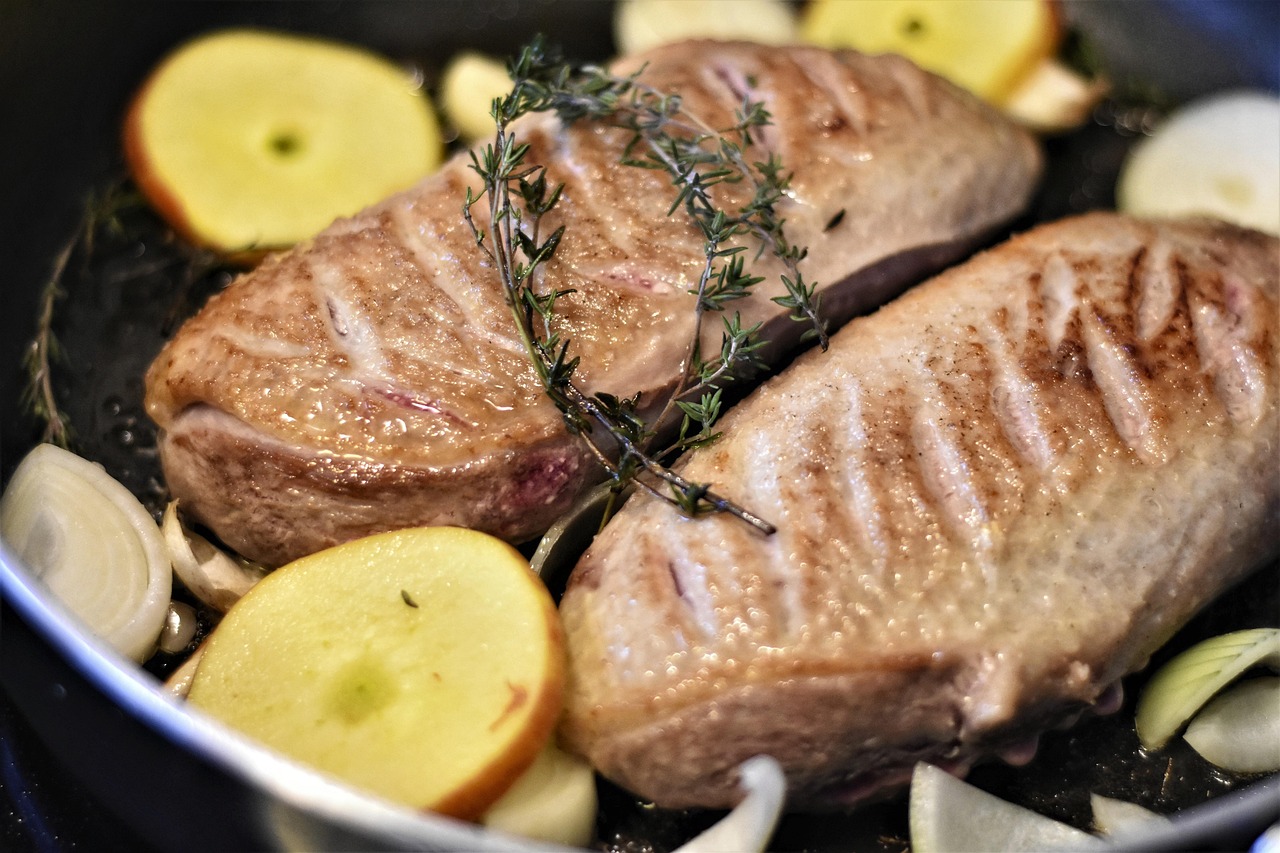
In Morocco’s bustling souks, the scent of spices wafts through the air, enticing visitors to explore the vibrant world of Moroccan cuisine. The art of blending spices is a revered tradition, passed down through generations. With a medley of exotic spices like Ras El Hanout, harissa, cinnamon, ginger, and preserved lemons, duck breasts are transformed into a culinary masterpiece.
The slow-cooked, tender meat, infused with the warmth of Moroccan spices, is served atop a bed of fluffy couscous or roasted root vegetables. A glass of rich Moroccan wine and a plate of crusty bread complete this indulgent feast.
A Rich, Flavorful Feast
The art of Moroccan cooking is not just about combining ingredients; it’s an expression of love, family, and community. Every dish tells a story, from the slow-simmered stews cooked over open fires to the carefully preserved fruits and vegetables that add depth to each meal.
Traditional Preparation Techniques
Moroccan cooking techniques are rooted in tradition and patience. Slow-cooking, roasting, and preserving ingredients are just a few of the methods used to create rich, flavorful dishes like spiced duck breasts. These ancient techniques have been passed down through generations, ensuring that each bite is a testament to Morocco’s culinary heritage.
Authentic Street Food: A Culinary Journey
Souk Hands-on Experiences
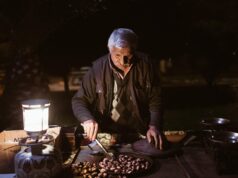
Street food is an integral part of the Moroccan dining experience. In bustling souks, vendors offer a plethora of tasty treats, from freshly grilled kebabs to fragrant pastries. Visitors can immerse themselves in the sights, sounds, and aromas of these vibrant markets, sampling the local specialties.
Savoring Moroccan Street Specialties
Must-try dishes include the savory harira soup, flaky b’stilla pastries filled with chicken or pigeon, and the addictive deep-fried snacks known as sfiha. These delicacies offer a glimpse into Moroccan street food culture and its role in bringing people together.
Cooking with Love: A Family Affair
Preparing street food is often a family affair, passed down through generations. As you savor these treats, remember that each bite represents a connection to Moroccan culture and tradition – a testament to the power of food in bringing people together.
Preserving the Past: The Importance of Traditional Cooking Techniques
Cooking with Firewood and Clay Pots
Traditional cooking techniques, such as slow-cooking over firewood and using clay pots to retain heat, contribute to the unique flavors of Moroccan dishes. These ancient methods have been passed down through generations, ensuring that each meal is a celebration of cultural heritage.
Preserving Seasonal Ingredients
Moroccan cooks also employ traditional preservation methods, such as drying fruits, salting fish, and pickling vegetables. These techniques help ensure that seasonal ingredients can be enjoyed year-round, preserving the flavors of the past for future generations.
The Role of Community in Preservation
Preserving culinary traditions is essential to maintaining Morocco’s rich cultural heritage. Communities play a crucial role in passing down cooking techniques, ensuring that these valuable skills are not lost to modernization.
Embracing Modern Flavors: Contemporary Twists on Traditional Dishes
Innovative Chefs Revitalizing Moroccan Cuisine
Modern chefs are reinterpreting classic Moroccan dishes, bringing a contemporary twist to beloved recipes. For example, spiced duck breasts may be served with modern accompaniments such as gourmet chutneys or creative presentation techniques.
The Blending of Cultures: Fusion Cuisine
Moroccan cuisine has always been a fusion of various influences, and this continues in contemporary times. Fusion dishes combine traditional Moroccan flavors with international ingredients, creating innovative culinary creations that reflect the country’s multicultural heritage.
The Future of Moroccan Cuisine
As Morocco continues to evolve and embrace the modern world, its culinary traditions will undoubtedly adapt. However, by preserving traditional cooking techniques and values, future generations can continue to enjoy the rich flavors and cultural significance of Moroccan cuisine.
Conclusion: A Call to Action
We hope this exploration of Moroccan cuisine has inspired you to embark on your own culinary journey. Whether you’re a seasoned chef or a novice cook, there’s always something new to learn from the world of Moroccan gastronomy. So, gather your ingredients, embrace the spices, and let’s keep the flavors of Morocco alive!
You might also enjoy
Related Articles
- Experience Authentic Moroccan Cuisine at Underground Atlanta’s Cultural Festival
- Exploring Moroccan Couscous’ Rich History in Medieval Egypt: A Cultural Journey
- Uniting Cultures Through Traditional Cuisine at Lawrence Farmers Market During the World Cup
- Underground Atlanta Transforms into a Vibrant Moroccan Cultural Destination for World Cup Match
- Authentic Algerian Cuisine at Lawrence Farmers Market: A Taste of Home for World Cup Visitors