Preserving and Documenting the Culinary Heritage of South Tunisia: A Journey by Malek Labidi
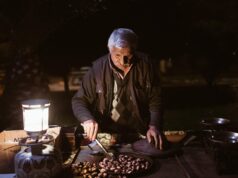
In a world where globalization threatens to erase cultural diversity, one man stands firm in his quest to preserve and document the rich culinary heritage of South Tunisia. Malek Labidi, a passionate chef and food historian, has dedicated his life to capturing and sharing the flavors, stories, and traditions that define this unique region. With a deep passion for preserving cultural heritage, Labidi’s journey is not just about cooking but about telling the story of the people behind each dish.
The Roots of a Culinary Legacy
Nestled between the Sahara Desert and the Mediterranean Sea, South Tunisia is a melting pot of cultures, climates, and cuisines. Its history dates back to ancient civilizations, with each era leaving its indelible mark on the region’s culinary landscape. From the Phoenicians who introduced olives and grapes, to the Romans who brought bread and wine, and the Arabs who cultivated citrus fruits and mastered the art of pastry making, each group has contributed to the diverse flavors that make up South Tunisian cuisine.
Today, this culinary legacy is under threat as modernization encroaches upon traditional practices. It’s Labidi’s mission to ensure these age-old recipes and techniques are not lost to time. He believes that understanding the history and significance of a recipe can help people connect with it on a deeper level, making them more than just meals but cultural artifacts.
Labidi’s love for South Tunisian cuisine began at a young age, watching his grandmother cook traditional dishes in their family kitchen. As he grew older, he realized the importance of preserving these recipes and techniques for future generations. His passion led him to become a chef and food historian, dedicating himself to documenting the stories behind each dish.
Reviving Ancient Recipes
One of the ways Labidi is preserving South Tunisia’s culinary heritage is by reviving ancient recipes that have been passed down through generations. He works closely with local elders, learning their secrets and techniques for dishes such as Maklouba (upside-down rice dish), Sfouf (turmeric-infused semolina cake), and Harissa (spicy pepper paste). By documenting these recipes and sharing them with a wider audience, Labidi is helping to keep the region’s culinary traditions alive.
His efforts have not gone unnoticed. In 2019, he was awarded the UNESCO City of Gastronomy title for his work in preserving Tunisia’s rich food culture. This recognition has helped raise awareness about the importance of preserving cultural heritage and the impact it can have on local communities.
Cooking Classes and Workshops
Another way Labidi is promoting South Tunisian cuisine is through cooking classes and workshops. These interactive experiences allow visitors to learn about the region’s culinary history, taste its unique flavors, and even participate in preparing traditional dishes themselves. By sharing his knowledge and passion with others, Labidi hopes to foster a deeper appreciation for South Tunisian cuisine and inspire more people to preserve and celebrate this important aspect of Tunisia’s cultural identity.
His cooking school, located in the heart of the region, offers classes for both tourists and locals, ensuring that the knowledge is shared within the community as well. These classes provide a platform for visitors to connect with the local culture and learn about the history behind each dish.
Documenting the Stories Behind the Dishes
In addition to preserving recipes, Labidi is also committed to documenting the stories behind each dish. He believes that understanding the history and significance of a recipe can help people connect with it on a deeper level. For example, he shares the story of how Maklouba was originally made using leftovers from a feast, symbolizing the importance of not wasting food in times of scarcity.
These stories add richness and depth to the dishes themselves, making them more than just meals but cultural artifacts. Labidi documents these stories through written accounts, photographs, and videos, ensuring that they are preserved for future generations.
A Call to Action
As the Maghrebi diaspora, we have a responsibility to preserve our cultural heritage, including its culinary traditions. We can support Malek Labidi’s efforts by visiting his cooking school, attending his workshops, and sharing his recipes with our families and friends.
By doing so, we can help ensure that the rich culinary heritage of South Tunisia continues to thrive for generations to come. Let us honor our roots and celebrate our culture through the flavors that define us.
You might also enjoy
Related Articles
- Unveiling the Rich Culinary Heritage of South Tunisia: Malek Labidi’s Archival Project
- Dave Patera’s Maghrebi Food Journey: Rediscovering Roots in North African Cuisine
- Une Odyssee dans le Patrimoine Culinaire Tunisien via l’Archive de Malek Labidi
- Zellij Mosaics, Couscous and Caftans: Preserving Maghrebi Heritage at UNESCO
- Art History Festival 2026: A Journey Through Fashion and Moroccan Culture in Fontainebleau