Embracing Identity: Exploring the Evolution and Impact of the Maghrebi Diaspora
Welcome, dear members of the Maghrebi diaspora! As we navigate the complexities of identity in a globalized world, it’s essential to delve into the rich history, evolution, and impact of our shared heritage. This article aims to take you on a journey through the origins of our roots, the formation of the diaspora, and its lasting impact on society at large.
As part of the diverse Maghrebi community, you embody a unique blend of African, Arab, Berber, and European influences that have shaped the region’s culture, language, and traditions for centuries. From the ancient civilizations of Carthage and Roman Africa to the Arab conquests in the 7th century, which introduced Islam and further blended cultures, our history is a testament to the region’s cultural melting pot.
Origins: A Melting Pot of Cultures
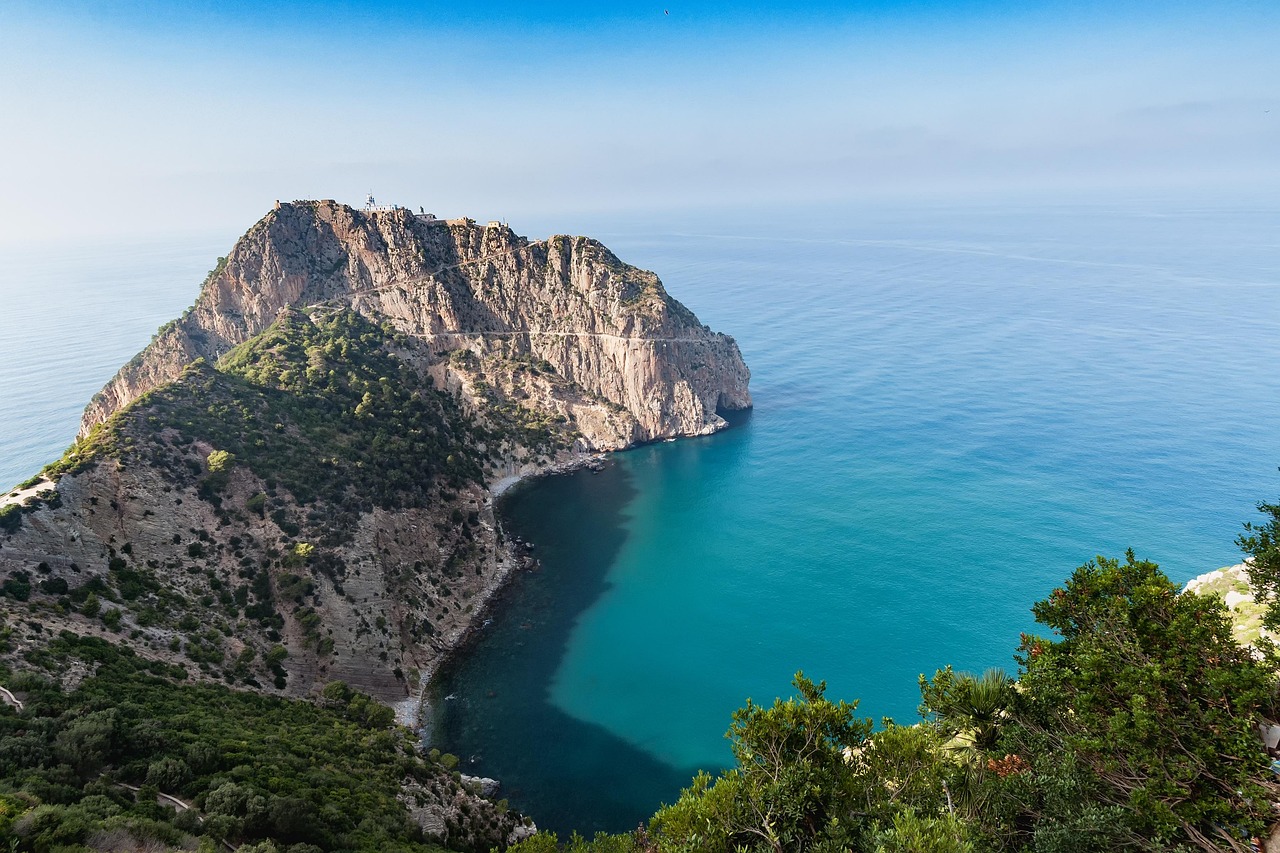
The Maghreb, meaning ‘the place where the setting sun disappears,’ encompasses Morocco, Algeria, Tunisia, Libya, and Western Sahara. Its rich history can be traced back to ancient civilizations like Carthage and Roman Africa, with Arab conquests in the 7th century marking the introduction of Islam and further blending of cultures.
Berbers, the indigenous peoples of North Africa, have played a significant role in shaping Maghrebi identity. The Berber language, Tamazight, has survived throughout history and is experiencing a modern revival as a means of preserving cultural heritage and promoting unity among Maghrebis. Today, efforts are being made to revitalize this ancient tongue, ensuring its continued relevance in the 21st century.
European powers like Spain, France, Italy, and Portugal have also left their mark on the region, with each country exerting varying degrees of influence over the centuries. From architectural styles to culinary traditions, these encounters have resulted in a vibrant mix that continues to define Maghrebi culture today.
Formation: Migration and Settlement
The formation of the Maghrebi diaspora is closely tied to historical events such as colonialism, wars, and economic factors. Many Maghrebis migrated abroad in search of better opportunities, with France being a primary destination due to its longstanding colonial ties.
In the post-colonial era, migration continued as political instability and economic difficulties plagued several countries within the region. Today, the diaspora is spread across Europe, North America, and beyond, with significant communities in France, Belgium, Canada, and the United States.
Despite the challenges faced during this migration process, many Maghrebis have thrived in their new homes, making lasting contributions to their adopted countries while maintaining strong connections to their roots. From politics to arts, sciences to business, Maghrebis have emerged as influential figures who continue to shape their adopted homelands.
Cultural Preservation: The Role of Community
As members of the diaspora, it is crucial that we preserve our cultural heritage and pass it down to future generations. This can be achieved through various means such as language instruction, cultural events, and support for community organizations.
Language plays a vital role in maintaining a connection to one’s roots. Many Maghrebis have taken it upon themselves to learn and teach Tamazight, ensuring that the indigenous tongue continues to be spoken and understood by future generations. By preserving our language, we are able to maintain a sense of continuity with our past while adapting to our new environments.
Cultural events like music festivals, art exhibitions, and culinary workshops provide opportunities for members of the diaspora to come together and celebrate their shared heritage. These gatherings not only foster a sense of belonging but also serve as platforms for educating others about Maghrebi culture.
Contributions: The Impact on Host Societies
The Maghrebi diaspora has made significant contributions to the societies in which they reside. From politics to arts, sciences to business, Maghrebis have emerged as influential figures who continue to shape their adopted homelands.
Moreover, the diaspora serves as a bridge between the Maghreb and the West, fostering cultural exchange, cooperation, and understanding. This interconnectedness benefits both regions by promoting mutual respect and appreciation for each other’s traditions and values.
By embracing our unique identity and sharing it with the world, we contribute to a more diverse, inclusive, and harmonious global community. As we navigate the complexities of identity in a globalized world, it is essential that we remain proud of our roots while staying open-minded and receptive to new experiences.
Empowerment: A Call to Action
As members of the Maghrebi diaspora, it is essential that we continue to celebrate and share our heritage while adapting to our new environments. Let us remain proud of our roots while staying open-minded and receptive to new experiences.
- Support organizations that promote Maghrebi culture and language within your community
- Attend cultural events and engage in discussions about the Maghreb with others
- Pass down our traditions to future generations, ensuring they understand their heritage and remain connected to their roots
Together, we can continue to enrich the tapestry of global culture and inspire others to embrace their own identities with pride.
You might also enjoy
Related Articles
- Exploring Contemporary Muslim Fashion at San Francisco’s de Young Museum: A Journey of Expression and Identity for the Maghrebi Diaspora
- Exploring the Changing Status of Maghrebi Emigrants: The Rise of the Diaspora and Its Influence on Culture
- Exploring The Rise and Influence of the Maghrebi Diaspora
- Exploring Ancient Phoenician and Egyptian History in North Africa: A Journey Through Time for the Maghrebi Diaspora
- Empowerment Journeys of Arab Women in the West: Lessons for Our Maghrebi Diaspora Community