Navigating Cultural Identity: The Balancing Act of Cultural Representation and Self-Orientalization Among North Africans
Welcome to our blog, dear Maghrebi diaspora readers! Today, we embark on a thought-provoking journey that delves into the complex relationship between cultural representation and self-orientalization within the North African community. As we navigate this intricate landscape, we’ll explore the intersections of identity, stereotypes, and authenticity in our globalized world.
For North Africans living abroad, cultural representations can have a profound impact on their self-perception and how they’re perceived by others. It’s crucial for us to engage with these representations thoughtfully, recognizing both the opportunities and challenges they present. By doing so, we can foster pride and a sense of belonging, while also promoting a more nuanced understanding of our cultures.
Understanding Cultural Representation
Cultural representation refers to the way cultures are depicted or portrayed by others, often within media and popular culture. This portrayal can be both empowering and marginalizing, as it shapes how North Africans perceive themselves and how others perceive us. Positive representations can foster pride and a sense of belonging, while negative ones can lead to feelings of otherness and disconnection.
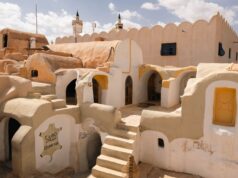
For instance, the iconic Sahara Desert landscapes or vibrant souks (markets) are often romanticized in Western media, perpetuating stereotypes about North African cultures being exotic and mystical. However, these representations also overlook the complexities and richness of our diverse cultures, reducing them to mere tropes or clichés.
It’s essential for us to engage with these representations thoughtfully, recognizing both the opportunities and challenges they present. By doing so, we can promote a more accurate portrayal of North African cultures that reflects their diversity and complexity.
Exploring Self-Orientalization
Self-orientalization refers to the process where members of a minority culture adopt and internalize stereotypes about their own group. This phenomenon is particularly prevalent among North Africans, who may adopt certain behaviors or speech patterns that are stereotypically associated with their culture.
This self-orientalization can manifest in various ways, such as adopting certain mannerisms or dress codes that are perceived as “typically” African or Arab. While this may seem harmless, it can reinforce harmful stereotypes and perpetuate racial bias. Moreover, self-orientalization can lead to feelings of disconnection from one’s own cultural heritage, as individuals internalize negative portrayals of their group.
It’s crucial for North Africans to be aware of our tendencies towards self-orientalization and strive to challenge these behaviors. Instead, we should embrace our unique cultural identities and promote a nuanced understanding of North African cultures that goes beyond stereotypes.
Navigating the Line: Balancing Authenticity and Stereotypes
Achieving authentic representation while avoiding self-orientalization is a delicate balancing act. It requires a deep understanding of one’s own culture, as well as an awareness of how it is perceived by others.
- Cultural education: Engage in learning about your heritage, its history, and its diverse expressions. This knowledge will empower you to correct misconceptions and promote a more accurate representation of North African cultures.
- Collaboration: Work together with other members of the diaspora and North Africans living in their home countries to create content that accurately represents your cultures.
- Advocacy: Speak out against stereotypes and discrimination, using platforms like social media and community events to amplify voices that challenge harmful representations.
Embracing the Power of Representation
Representation matters. The way North African cultures are depicted can have a profound impact on the self-esteem, opportunities, and experiences of individuals within the community. By striving for authentic representation and challenging self-orientalization, we can contribute to breaking down harmful stereotypes and promoting a more nuanced understanding of our cultures.
Moreover, accurate representations can empower North Africans to take pride in their cultural heritage, while also promoting greater empathy and understanding between communities. Remember, your voice is powerful, so use it wisely!
Call to Action
We invite you to join us in this ongoing conversation. Share your thoughts on cultural representation and self-orientalization within the North African community. Together, we can foster a more inclusive and accurate portrayal of our diverse cultures.
Stay tuned for more insightful discussions on topics that matter to you, and remember: your voice matters!
You might also enjoy
Related Articles
- Reviving Al-Andalus Cultural Heritage in North Africa: A Call to Action for the Maghrebi Diaspora
- Exploring Europe and North Africa with Holland America Cruises: A Comprehensive Guide for Maghrebi Diaspora Readers
- Navigating Identity: Exploring the Lives of the North African Diaspora in France
- Highlighting the Influence of Contemporary Muslim Fashions in North Africa on Global Trends: De Young Exhibit Showcases Maghrebi Diaspora’s Impact
- Robots Revolutionizing the Clothing Industry in North Africa: A Game Changer for the Maghrebi Diaspora