A Sweet Ramadan Journey: Discovering Lebanese Desserts
Ramadan, the holy month of spiritual reflection and communal gatherings in the Arab world, is also an occasion for indulging in some truly exquisite desserts that have captivated hearts and taste buds for generations. In Lebanon, these traditional sweets are more than just treats – they’re a symbol of togetherness, tradition, and resilience. They bring people together, evoke memories of childhood, and remind us of the importance of community.
History
The origins of Lebanese desserts can be traced back to ancient times, when honey was prized for its preservative properties. The Phoenicians, who inhabited Lebanon over 4,000 years ago, are credited with developing a sweet tooth and an appreciation for the art of confectionery. Over time, recipes evolved under the influence of Ottoman, Persian, French, and Armenian culinary traditions, resulting in a rich tapestry of flavors that continue to captivate today.
Ingredients (Serves 8)
- Kunafa: 1 kg shredded kataifi dough, 500 ml sweetened cheese filling, 700 ml sugar syrup, 150 g unsalted butter, 200 g crushed pistachios
- Baklava: 1 kg phyllo pastry, 1.5 kg honey, 1 kg chopped nuts (almonds, walnuts, pistachios), 750 ml sugar syrup, 1 kg unsalted butter, 2 tsp ground cardamom
- Ma’amoul: 500 g semolina flour, 250 g fine flour, 400 g unsalted butter, 75 g rose water, 300 g almonds or dates filling
Step-by-Step Instructions (Kunafa)
Prep time: 30 minutes | Cook time: 1 hour | Difficulty: Advanced
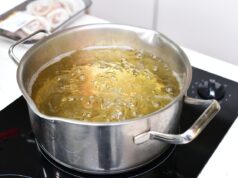
- Prepare the syrup: bring sugar, water, and lemon juice to a boil in a large saucepan, then simmer for 15 minutes until slightly thickened. Set aside.
- Assemble the kunafa: melt butter and brush it generously on the bottom and sides of a 26 cm baking dish. Layer half the kataifi dough, then pour over the cheese filling, followed by another layer of kataifi. Drizzle with syrup.
- Bake: bake in preheated oven at 180°C for about 45 minutes, until golden and bubbling. Remove from the oven and sprinkle with pistachios before serving.
Step-by-Step Instructions (Baklava)
Prep time: 30 minutes | Cook time: 1 hour 15 minutes | Difficulty: Advanced
- Prepare the syrup: bring sugar, water, and lemon juice to a boil in a large saucepan, then simmer for 15 minutes until slightly thickened. Set aside.
- Assemble the baklava: melt butter and brush it generously on the bottom and sides of a 26 cm baking dish. Lay down a single layer of phyllo pastry, brushing each sheet with melted butter before adding the next. Sprinkle a third of the nuts over the top.
- Continue layering: repeat the process, ending with a final layer of phyllo pastry brushed with butter. Score the top into diamond shapes, then pour over the syrup.
- Bake: bake in preheated oven at 180°C for about 45 minutes, until golden and bubbling. Remove from the oven and let it cool before cutting along the scored lines.
Step-by-Step Instructions (Ma’amoul)
Prep time: 30 minutes | Cook time: 15 minutes | Difficulty: Intermediate
- Make the dough: in a large bowl, combine semolina flour, fine flour, butter, and rose water to form a soft dough.
- Stuff the ma’amoul: roll out the dough into small balls, flatten each one with your hand, then fill with almonds or dates. Gently seal the edges.
Bake: bake in preheated oven at 180°C for about 15 minutes, until golden.
Tips
For best results, use good-quality ingredients and fresh phyllo pastry. To prevent the phyllo from drying out, keep it covered with a damp cloth. And don’t be afraid to experiment with different flavors and fillings to make these traditional sweets your own.
Regional Variations
Lebanese desserts can vary slightly between regions, reflecting local flavors and preferences. For example, ma’amoul may be filled with pistachios or coconut in some areas. This diversity is a testament to the rich cultural heritage of Lebanon and its ability to bring people together through food.
Serving
Serve these desserts at iftar, the evening meal that breaks the daily fast during Ramadan. Accompany them with Arabic coffee and tea for an authentic experience. And don’t forget to share your creations with friends and family – after all, the joy of sharing food is a fundamental part of Lebanese culture.
Conclusion
Lebanon’s desserts are a testament to its rich history and vibrant culture. Whether you’re celebrating Ramadan or simply want to explore the flavors of the Levant, these traditional sweets are a delightful way to connect with Lebanon’s culinary heritage. So go ahead, indulge in these sweet treats, and let the warmth and love of Lebanese hospitality fill your heart.
You might also enjoy
Related Articles
- Lebanese Desserts Shine at West Scranton Food Festival: Preserving Generational Recipes
- A Journey through Moroccan Culture: Tradition, Art, and Cuisine in Athens
- Discovering Sahrai Milano’s Stunning Contemporary Berber Rug Collection
- Revisiting Tradition: Sahrai Milano’s Contemporary Take on Berber Rug Artistry
- Unveiling Moroccan Art History and Culture: A Journey for Maghrebi Diaspora