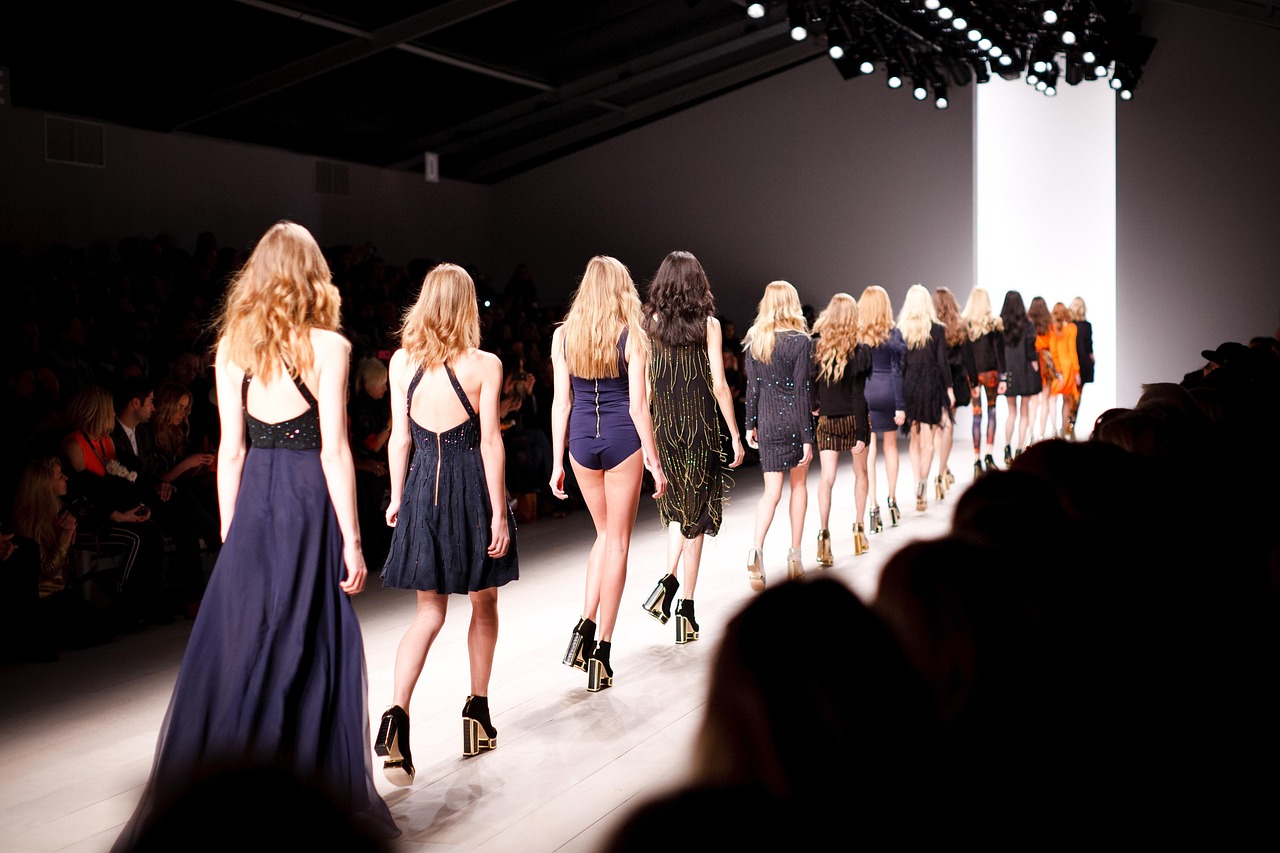
Modern Moroccan Fashion Shines at the 2026 Fashion Week
The fashion industry has always been a platform for cultural expression, and the 2026 Fashion Week was no exception. Amongst the global designers showcasing their collections, Moroccan fashion took center stage with its unique blend of tradition and modernity. With its rich cultural heritage and strong textile traditions, Morocco has long been a hub for innovative fashion design. This year’s Fashion Week was a celebration of Modern Moroccan fashion, showcasing the best of what this vibrant industry has to offer.
1. Revival of Berber Traditions
The Berber tribe, indigenous to Morocco, has a rich history of weaving and dyeing textiles using natural materials such as wool, cotton, and indigo. This year’s Fashion Week showcased several designs that incorporated traditional Berber motifs like zellige, azilal, and beni ourain. Designers paid homage to the tribe’s craftsmanship by reinterpreting these patterns in contemporary silhouettes.
One such example was the collection by Marrakech-based designer Amina Agueznay, who collaborated with Berber artisans from the Atlas Mountains to create intricate embroidery and weaving techniques on dresses and tunics. The result was a stunning blend of traditional craftsmanship and modern style that left audience members in awe.
Another notable designer was Hakim El Karoui, who used traditional Berber dyeing techniques to achieve rich, earthy tones in his collection. By incorporating natural dyes and textiles into their designs, these designers not only showcased the beauty of Moroccan tradition but also highlighted the importance of sustainability in the fashion industry.
2. Blending Eastern and Western Aesthetics
Moroccan fashion has long been influenced by both Eastern and Western aesthetics, resulting in a unique blend of the two. This year’s Fashion Week saw several designers embracing this fusion with designs that featured Middle Eastern embellishments combined with tailored Western silhouettes.
For example, designer Meryem Ait-Ali’s collection incorporated traditional Moroccan lace and embroidery on structured blazers and pants. The result was a stunning combination of modern style and cultural heritage that showcased the versatility of Modern Moroccan fashion.
This fusion of Eastern and Western elements not only highlights the diversity of Moroccan culture but also serves as a testament to the creativity and adaptability of Modern Moroccan designers. By blending traditional techniques with contemporary styles, these designers are pushing the boundaries of what it means to be a Moroccan fashion designer today.
3. Sustainable Fashion Movement
In recent years, there has been an increasing focus on sustainability in the fashion industry, and this year’s Fashion Week was no exception. Several Moroccan designers took steps to create collections using eco-friendly materials and ethical production methods.
One such designer was Asmaa Lamnouri, who used recycled materials to create her collection. The designer showcased dresses made from plastic bags and jackets made from repurposed denim, demonstrating the potential for sustainable fashion in Morocco. By prioritizing sustainability, these designers not only contribute to a healthier planet but also showcase the beauty of Moroccan craftsmanship.
Another designer making waves in the sustainable fashion movement was Youssef Akrour, who used organic cotton and natural dyes to create his collection. The result was a stunning collection that showcased the versatility of Modern Moroccan fashion while promoting sustainability in the industry.
4. Emergence of New Talent
The 2026 Fashion Week saw the emergence of several new and talented designers who are redefining what it means to be a Moroccan fashion designer today.
One such designer is Hicham El Amin, whose collection was inspired by Moroccan calligraphy. The designer used traditional calligraphic motifs on flowing silks and satins to create a stunning collection that showcased the rich cultural history of Morocco. With his unique blend of tradition and modernity, Hicham El Amin is one to watch in the world of Modern Moroccan fashion.
Another newcomer to watch is Aicha El Amin, whose collection was inspired by the vibrant colors and patterns found in traditional Moroccan rugs. The designer used bold colors and intricate embroidery to create a fresh take on traditional Moroccan fashion that left audience members in awe. With her innovative designs and commitment to sustainability, Aicha El Amin is sure to make a name for herself in the industry.
5. Fusion of High Fashion and Streetwear
The intersection between high fashion and streetwear continues to be a popular trend in the fashion industry, and this year’s Fashion Week was no exception. Several Moroccan designers showcased collections that combined the elegance of high fashion with the casual ease of streetwear.
One designer who successfully executed this fusion was Azzedine Alaïa, who created a collection that featured tailored blazers and structured dresses paired with sneakers and bucket hats. The result was a fresh and modern take on Moroccan fashion that appealed to both the high-end fashion crowd and the streetwear enthusiasts.
Another designer who embraced this trend was Hicham Ben Amor, whose collection featured oversized hoodies and sweatshirts adorned with traditional Berber motifs. By combining high-fashion silhouettes with streetwear-inspired accessories, these designers are pushing the boundaries of what it means to be a Moroccan fashion designer today.
Conclusion
The 2026 Fashion Week was a celebration of Modern Moroccan fashion, showcasing the rich cultural heritage of Morocco while embracing contemporary trends. From the revival of Berber traditions to the fusion of Eastern and Western aesthetics, this year’s Fashion Week provided a platform for both established and emerging designers to share their vision of what it means to be a Moroccan fashion designer today.
We encourage our readers to support these talented designers by purchasing their collections or attending local fashion events. By doing so, we can help ensure that the vibrant world of Modern Moroccan fashion continues to thrive and inspire for years to come.
You might also enjoy
Related Articles
- Spotlight Shines on Fashion Personalities at Morocco’s Caftan Week
- Moroccan Caftan Week: The Fashion Personalities Stealing the Spotlight
- Modern Muslim Women Shine at Morocco Fashion Week 2026: Empowering Style Statements from the Maghrebi Diaspora
- Spotlighting Fashion Personalities at Morocco’s Caftan Week: A Modern Twist on Traditional Style
- Shining a Light on Modern Muslim Women in Fashion: Inspirational Figures from the Algerian, Tunisian, and Moroccan Diaspora