Eid Cookies: A Festive Tradition in Egyptian Homes Before Eid Al-Fitr
Welcome to this heartfelt article, dear readers! As the Maghrebi diaspora, we’re thrilled to share with you a cherished tradition that brings joy and warmth to Egyptian homes – the making and sharing of Eid cookies before Eid Al-Fitr. Today, we’ll delve into the significance of these sweet treats, explore the process of making them, discover regional variations, and discuss the importance of sharing and preserving this beloved custom.
The Significance of Eid Cookies
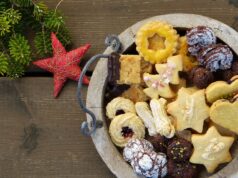
Eid cookies, also known as ‘Kahk’ in Arabic, are a treasured dessert that marks the end of the holy month of Ramadan. These sweet treats symbolize unity, love, and generosity – values deeply rooted in Islamic culture. Each cookie is carefully crafted with precision and care, reflecting the hard work and dedication put into preparing for Eid Al-Fitr. The aroma of these cookies fills homes, signaling the joyous occasion that’s about to unfold.
These sweet indulgences are not only a treat but also a way to express gratitude towards family, friends, and neighbors for their support during Ramadan. They’re traditionally shared as gifts, fostering a sense of community and camaraderie among those celebrating Eid. Whether you’re in Egypt or abroad, the sharing of Eid cookies is a universal language that transcends borders and cultures.
The Process of Making Kahk
Making kahk is an art form that has been passed down through generations. This labor-of-love process requires patience, skill, and attention to detail – but the end result is well worth every minute spent in the kitchen. The dough is made from a blend of flour, butter, sugar, and semolina, with a hint of rosewater or orange blossom water for added flavor. This delicate mixture is then filled with nuts, dates, or sweetened coconut before being shaped into crescents.
Once baked to golden perfection, the kahk are adorned with intricate designs using a toothpick or a special comb known as ‘Maqsoot’. These patterns not only add an aesthetic touch but also signify the attention and love put into each cookie. Whether you’re a seasoned baker or a novice in the kitchen, making kahk is a rewarding experience that brings people together.
Regional Variations of Kahk
While the basic recipe remains the same, regional variations of kahk exist across Egypt. Some regions prefer their cookies to be larger and thicker, while others opt for smaller, thinner versions. For instance, in Upper Egypt, a unique type of kahk known as ‘Keshta’ is popular. Keshta is made by boiling semolina in sugar syrup until it forms a soft mass, which is then shaped into small balls and coated with chopped nuts.
Each region’s version of kahk carries its own charm and adds to the diversity of this cherished tradition. Whether you’re from Cairo, Alexandria, or another city in Egypt, there’s always something new to discover and learn about the art of making kahk.
Sharing Kahk: A Bonding Experience
The act of sharing kahk is a significant part of the Eid celebration. Neighbors visit each other’s homes, exchanging gifts and enjoying the delicious treats together. This tradition not only reinforces social bonds but also serves as an opportunity for families to gather, reminisce about the past, and share stories about Ramadan experiences.
Sharing kahk is a testament to the Egyptian spirit of hospitality and togetherness – qualities that make this tradition even more special. Whether you’re celebrating Eid Al-Fitr or another joyous occasion, sharing food with loved ones brings people closer together.
Preserving the Tradition
As modern life advances and traditions evolve, it’s essential to preserve cultural practices like the making and sharing of Eid cookies. These customs not only connect us to our roots but also provide a link to our shared history. By keeping this tradition alive, we’re ensuring that future generations can continue to enjoy the warmth and joy it brings.
If you’re inspired by this article, consider incorporating the tradition of Eid cookies into your own celebrations. Share the joy, love, and unity that these delicious treats represent with your family and friends. Let us carry forward this beautiful tradition, one cookie at a time – for ourselves, our children, and future generations to come.
You might also enjoy
Related Articles
- Celebrating Eid with Traditional Egyptian Cookies: A Recipe for Festive Joy Ahead of Eid Al-Fitr
- Eid al-Fitr Cookie Feast: Celebrate with Authentic Egyptian Sohor Recipes
- Celebrating Couscous, Uniting the Maghreb: Traditional Recipes for Festive Occasions
- Unifying the Maghreb: A Couscous F Recipe for a Festive Gathering
- The Rise of Halal Demands in The Booming Skincare Industry: A Comprehensive Guide for the Maghrebi Diaspora