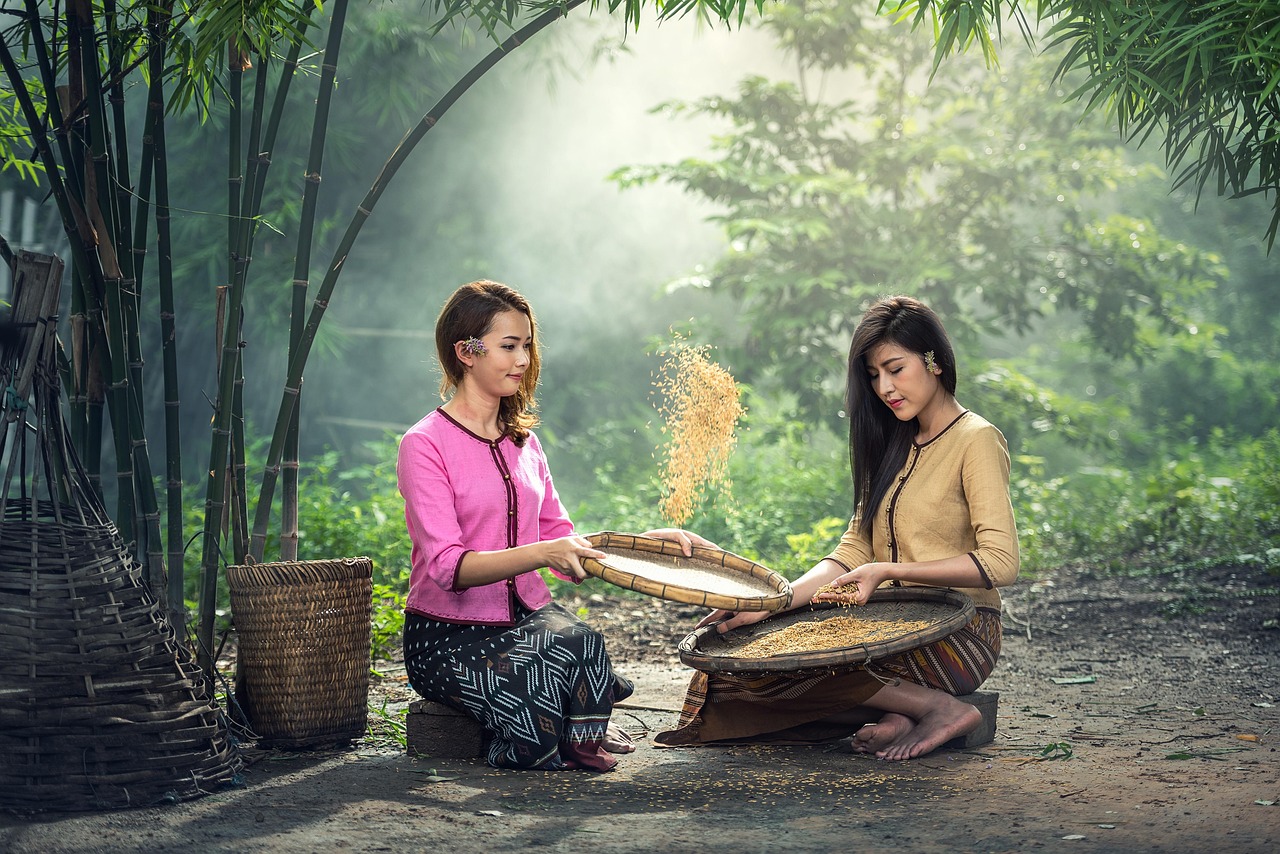
Revival and Modernization of Amazigh Culture in Morocco: A Journey into Our Roots
In the heart of North Africa, where the Atlas Mountains stand tall and the Sahara Desert stretches far and wide, lies Morocco – a land rich in history, diversity, and culture. One of its most precious assets is the Amazigh culture, which has seen a significant revival and modernization movement in recent years. This cultural renaissance has been a long time coming, with roots dating back to the 1980s when a group of Amazigh activists began advocating for greater recognition and respect for their language, traditions, and customs.
For centuries, the Amazigh people have been an integral part of Moroccan society, yet their identity and language were often overshadowed by the Arabic-Islamic influence. However, in the late 20th century, a wave of activism and cultural renaissance led to the recognition of Tamazight (Amazigh language) as an official language alongside Arabic and French. This momentous shift marked the beginning of a new era for Amazigh culture, with the community gaining greater autonomy to preserve their heritage while also embracing modernity.
Today, Amazigh schools, radio stations, and newspapers are flourishing across Morocco, providing a platform for the Amazigh community to preserve their heritage while also modernizing it. The growing interest in Amazigh studies at universities reflects this renewed sense of pride and identity among the youth. As young Moroccans become more aware of their cultural roots, they are seeking ways to incorporate traditional Amazigh practices into their daily lives, from cooking traditional dishes to learning ancient Berber languages.
The Rise of Amazigh Identity
The resurgence of Amazigh identity has been a powerful catalyst for social change in Morocco. By embracing their heritage and cultural traditions, the Amazigh people are reasserting their place within Moroccan society. This newfound confidence is evident in the way young Moroccans today proudly proclaim their Berber roots, often incorporating traditional clothing, jewelry, and hairstyles into their daily attire.
The recognition of Tamazight as an official language has also opened up new opportunities for Amazigh artists to showcase their work. Traditional Amazigh music, such as chaabi and ahwach, have gained popularity both locally and internationally. Meanwhile, contemporary Amazigh writers like Fatima Mernissi, Tahar Djaout, and Abdellatif Laâbi have brought fresh perspectives to the Amazigh narrative.
Modern Amazigh artists are fusing traditional Amazigh motifs with modern styles, creating a unique blend that resonates with both the younger generation and those who seek to reconnect with their roots. This fusion is not only seen in visual arts but also in literature, music, and fashion. By blending ancient traditions with contemporary flair, Amazigh artists are reinvigorating Morocco’s cultural landscape.
Amazigh Art and Literature
The artistic and literary scene in Morocco has also been enriched by the Amazigh revival. Traditional Amazigh music, such as chaabi and ahwach, have gained popularity both locally and internationally. These genres are characterized by their distinctive rhythms, melodies, and lyrics, which often draw upon ancient Berber myths and legends.
Modern Amazigh writers like Fatima Mernissi, Tahar Djaout, and Abdellatif Laâbi have brought fresh perspectives to the Amazigh narrative. Their works often explore themes of identity, culture, and social justice, offering a unique window into the lives of Morocco’s Amazigh people.
Contemporary Amazigh artists are pushing the boundaries of traditional forms, incorporating modern materials and techniques to create innovative works that reflect their cultural heritage. This fusion is not only seen in visual arts but also in literature, music, and fashion.
Amazigh Cuisine
Food is an essential part of any culture, and Amazigh cuisine is no exception. Traditional dishes like khlib (bread), tajine (stew), and b’ssara (chickpea soup) are gaining recognition beyond Morocco’s borders. These hearty meals often feature locally sourced ingredients, such as olives, almonds, and dried fruits, which have been staples of the Amazigh diet for centuries.
Chefs from the diaspora are incorporating these traditional flavors into modern culinary creations, offering a taste of Amazigh culture to a wider audience. From Moroccan-inspired fusion dishes to artisanal bread-making workshops, the culinary scene is alive with creative expression and cultural heritage.
Preserving Ancient Traditions
While embracing modernity, the Amazigh community remains deeply rooted in ancient traditions. Festivals such as the Aït M’Hammed Festival and the Festival of Sufis and Berbers in Taroudannt celebrate Amazigh heritage by showcasing music, dance, and crafts.
Moreover, the Amazigh people have long been known for their skilled weavers, potters, and metalworkers. Handicraft cooperatives are springing up across Morocco, offering tourists the opportunity to purchase authentic Amazonian artisanal products while supporting local artisans.
A Call to Action
As members of the Maghrebi diaspora, we have the unique opportunity to engage with and support the revitalization of Amazigh culture in Morocco. By learning more about this fascinating culture, visiting Morocco, and purchasing authentic Amazonian handicrafts, we can help ensure that its rich heritage continues to thrive for generations to come.
As we embark on this journey of cultural exploration and preservation, let us not forget the importance of reciprocity and mutual respect. By working together with the Amazigh community, we can foster a deeper understanding of their traditions and customs, while also sharing our own cultural heritage with them.
You might also enjoy
Related Articles
- Exploring Amazigh Culture’s Future Prospects in Morocco: A Journey for Maghrebi Diaspora Readers
- Exploring Judeo-Amazigh Cultural Substratum in North Africa
- UNESCO Africa Week Highlights: Water, Culture, and Multidimensional Programming in North Africa – A Relevance to the Maghrebi Diaspora
- Rediscovering Our Roots: A Journey into Morocco’s Unique Culture and Fashion at Caftan Week
- Reviving Morocco’s Amazigh Culture and Shifting Identity: A Call for Action among the Maghrebi Diaspora