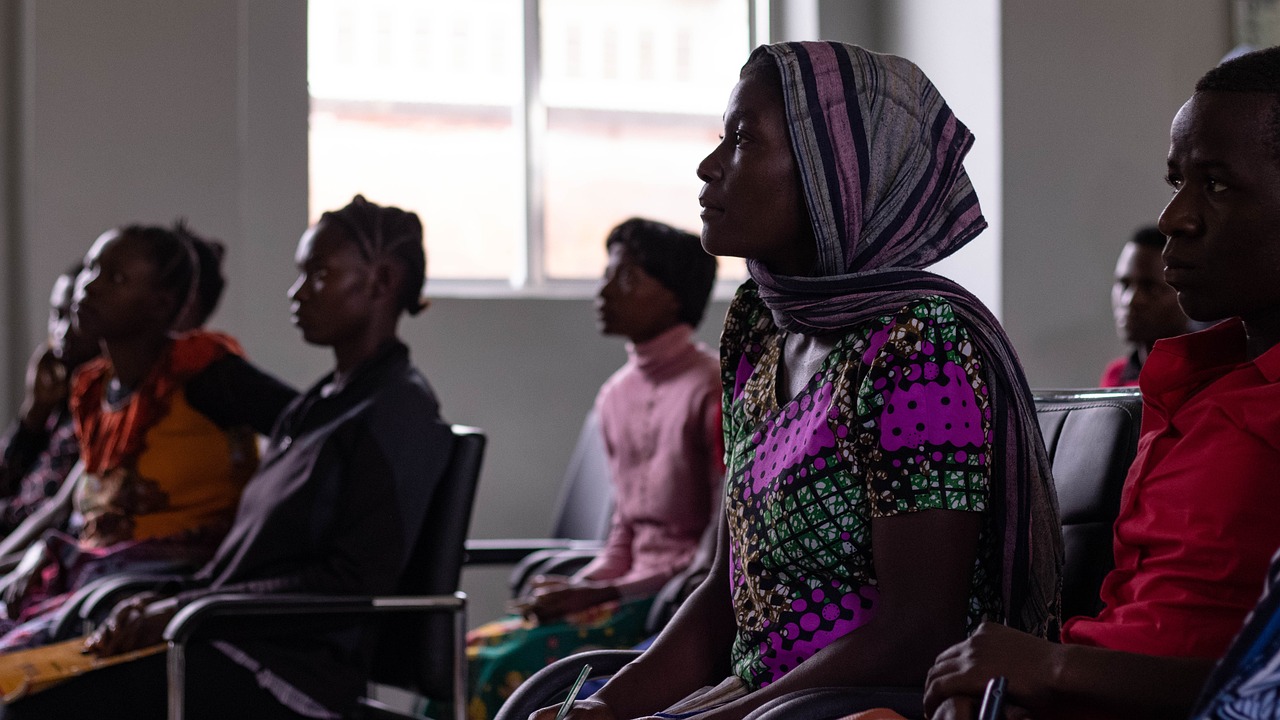
Empowering Women in the Maghrebi Diaspora: Lessons from Living Among Arab Women
As members of the Maghrebi diaspora, we carry the rich cultural heritage of North Africa within us. Yet, we are also part of a global community that grapples with the challenges of gender inequality. In this article, we’ll share insights from living among Arab women, offering valuable lessons on women’s empowerment – and how we can apply them in our own lives.
Resilience and Strength: A Testament to Women’s Agency
Living among Arab women has been a truly humbling experience. Every day, I’m struck by their resilience and strength in the face of adversity. Despite facing numerous challenges, they continue to maintain a steadfast presence in society, often serving as pillars of their families and communities.
I’ve had the privilege of witnessing firsthand the ways in which Arab women adapt and innovate in response to cultural norms, economic constraints, and political challenges. From navigating complex family dynamics to finding creative solutions to everyday problems, these women are a testament to the power of human agency.
As we draw inspiration from their strength, let’s not forget that empowering women is essential not just for their individual growth but also for the betterment of society as a whole. By supporting and amplifying the voices of Arab women, we can create a ripple effect of positive change that benefits us all.
Education: The Key to Empowerment
Access to quality education is a fundamental right for all – yet, it remains elusive for many women in the Maghrebi region. However, living among Arab women has shown me just how powerful education can be as a tool for their empowerment.
Educated women are more likely to have better health outcomes for themselves and their children, participate in the workforce, and contribute positively to their communities. In fact, research has consistently demonstrated that increased investment in girls’ education leads to a range of benefits, from reduced child marriage rates to improved economic prospects.
As members of the Maghrebi diaspora, we have a responsibility to advocate for increased investment in girls’ education – not just because it’s the right thing to do, but also because it will have a direct impact on our own communities. By empowering women through education, we can create a more equitable and prosperous future for all.
Support Networks: The Power of Solidarity
Among Arab women, the importance of support networks cannot be overstated. Whether it’s within their families, friend circles, or communities, these connections offer a source of encouragement, guidance, and solidarity that can be lifesaving.
I’ve witnessed firsthand the ways in which Arab women support one another – from offering words of wisdom to providing practical assistance. And I believe we can learn a thing or two from their example.
By building our own support networks among friends, family, and community, we can create a culture of mutual support that empowers us all to achieve our goals. Whether it’s through volunteering, mentorship, or simply being a good listener, let’s work together to build bridges of solidarity that connect us across cultures and continents.
Empowerment Through Leadership
Representation matters – and seeing Arab women in positions of leadership is an important step towards their empowerment. By witnessing the success of other women, younger generations are inspired to aspire to similar heights.
We must work to promote women’s political participation, advocating for more women to run for office and supporting those who do. By doing so, we can help pave the way for a more equitable and representative future – where women are not just token participants but true leaders and decision-makers.
Community Engagement: Bridging Cultural Gaps
Building bridges between cultures is essential to promoting understanding and unity. As members of the Maghrebi diaspora, we can play a crucial role in fostering dialogue and building relationships with Arab communities.
Through community engagement, we can help break down cultural barriers and create spaces for shared learning and growth. By doing so, we can contribute to a more inclusive and harmonious world – where cultures are celebrated rather than feared or misunderstood.
Conclusion: A Call to Action
Living among Arab women has provided us with valuable insights into the power of resilience, education, support networks, leadership, and community engagement in empowering women. It is our duty as members of the Maghrebi diaspora to apply these lessons in our own lives – and to advocate for change.
Let’s work together to create a more equitable and prosperous future for all – by advocating for increased investment in girls’ education, building support networks among one another, promoting women’s leadership, and engaging with Arab communities. Together, we can make a positive impact that benefits us all.
You might also enjoy
Related Articles
- Empowering Women: Lessons Learned from Living Among Arab Women
- Empowering Women: Insights from Sara Sadik – A Beacon of Hope for Maghrebi Diaspora
- Reviving Morocco’s Amazigh Culture and Shifting Identity: A Call for Action among the Maghrebi Diaspora
- Controversy Surrounds the Emergence of a Halal Lifestyle Township in India Among the Maghrebi Diaspora
- Exploring Modern Muslim Women’s Fashion in the Maghreb: Empowering Trends Shaping a New Era