Celebrating Eid al-Adha: A Maghrebi Lamb Recipe for the Diaspora
Eid al-Adha, also known as the Festival of Sacrifice, is a deeply significant religious celebration in the Maghreb region. As members of the diaspora, we often find ourselves missing the vibrant flavors and warm traditions of our homeland during this joyous occasion. This article aims to bring back those memories with a traditional Maghrebi lamb recipe that’s sure to transport you straight to the heart of North Africa.
The Significance of Lamb in Maghrebi Cuisine
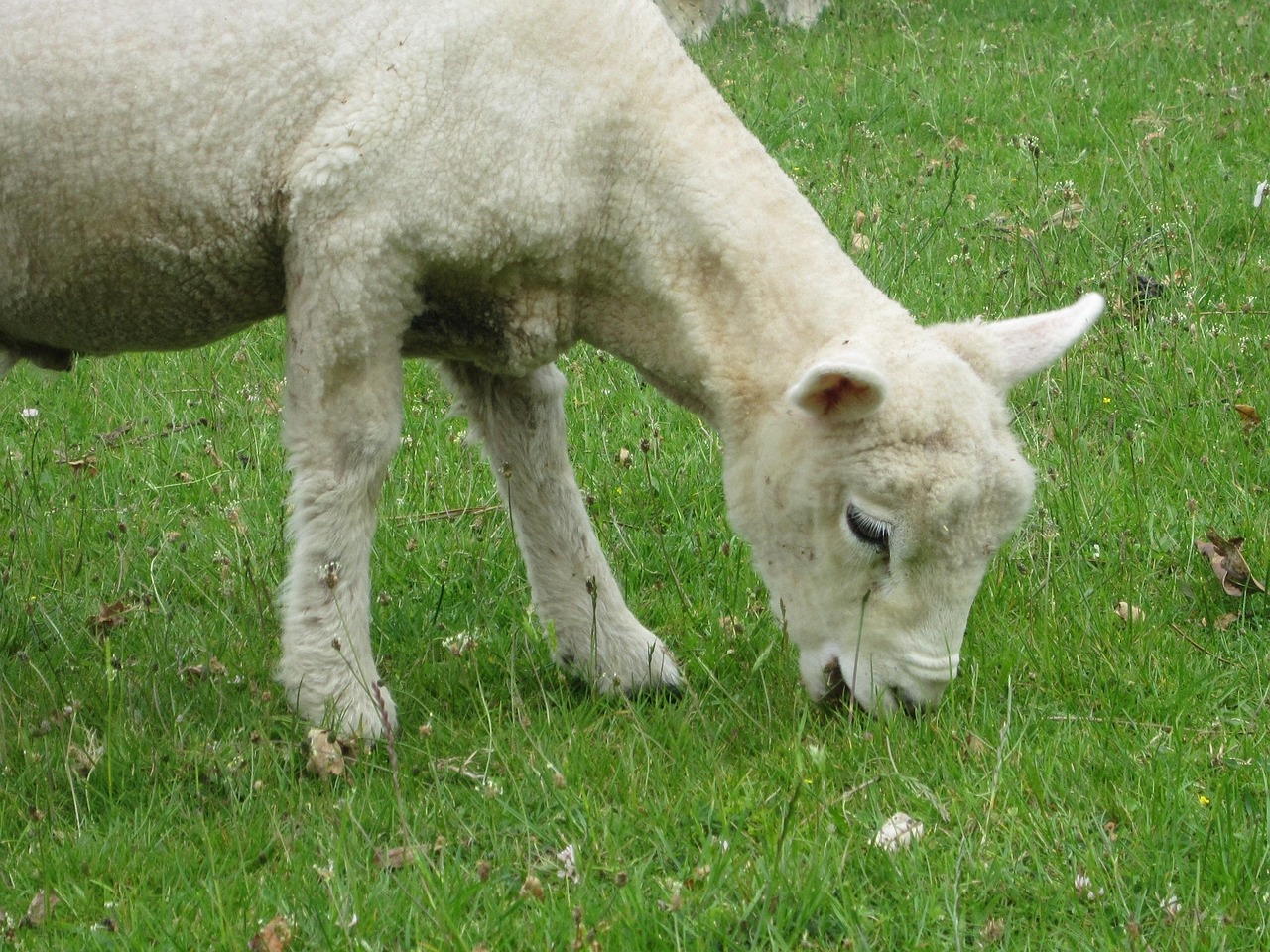
Lamb holds a special place in Maghrebi cuisine, symbolizing sacrifice and unity during Eid al-Adha. The meat’s rich flavor and tender texture make it an ideal choice for this festive meal, which is often served with friends and family gathered around the table.
In Morocco, lamb is often cooked with spices like cumin, paprika, ginger, and coriander to create a vibrant and aromatic dish that’s both fragrant and flavorful. Algerian cooking features lamb tagine, a slow-cooked stew that showcases the meat’s succulence and tender texture.
Tunisian cuisine also offers a unique take on lamb dishes, such as makloubeh, where layers of rice, lamb, and vegetables are cooked together to create a flavorful and visually impressive dish that’s sure to impress your guests.
Preparing the Lamb for Cooking
The first step in cooking Maghrebi-style lamb is properly preparing the meat. Start by removing any excess fat and tendons, leaving you with a lean piece of lamb ready for seasoning. This process can be a meditative experience, allowing you to connect with your heritage as you trim and prepare the lamb.
In Morocco, lamb is often marinated overnight to infuse the flavors deeply. Combine lemon juice, garlic, cumin, paprika, ginger, coriander, salt, and pepper to create a fragrant marinade that will leave your guests begging for more. Rub this mixture all over the lamb and let it sit in the refrigerator for at least 12 hours, allowing the flavors to meld together harmoniously.
Algerian lamb tagine calls for a similar marinade but also includes ingredients like olive oil, tomatoes, onions, garlic, and spices like cinnamon and saffron. The marinated lamb is then cooked slowly in a tagine or Dutch oven to achieve tender perfection.
Cooking the Lamb: Traditional Methods
Slow cooking is essential when preparing Maghrebi lamb dishes. In Morocco, this can be achieved by simmering the marinated lamb in a tagine with vegetables like potatoes and carrots. Seasonings such as cinnamon sticks, bay leaves, and dried fruits like raisins or apricots are added for added depth and complexity.
Algerian lamb tagine is traditionally cooked on low heat until the meat is tender and the flavors have melded together harmoniously. This dish can include a variety of vegetables such as carrots, turnips, and potatoes, along with chickpeas for added texture and interest.
Tunisian makloubeh is cooked in layers, starting with a bed of rice at the bottom of a large pot. The lamb and vegetables are then arranged on top, followed by another layer of rice before covering and cooking slowly until everything is tender and flavorful.
Serving Your Maghrebi Lamb Feast
Once the lamb has been cooked to perfection, it’s time to serve this delicious meal. Garnish your dish with fresh herbs like parsley or cilantro and serve it with traditional sides such as couscous, flatbread, or salads. In Morocco, a popular accompaniment is the harissa sauce, a spicy condiment made from chili peppers, garlic, olive oil, and spices.
In Algeria, you might find a side of chickpea salad to complement the lamb tagine, while in Tunisia, a tangy yogurt sauce is often served alongside the makloubeh. The key is to balance the rich flavors of the lamb with a variety of textures and tastes.
Preserving Traditions in the Diaspora
Cooking and sharing Maghrebi dishes like lamb during Eid al-Adha can help diaspora members maintain a connection to their homeland. By following these traditional recipes, we keep our culture alive and pass on cherished traditions to future generations.
This Eid al-Adha, gather your loved ones and celebrate with a Maghrebi lamb feast that’s sure to transport you back home. Whether you’re in the heart of North Africa or far away, this dish will fill your senses with the sights, smells, and tastes of your heritage.
You might also enjoy
Related Articles
- Eid al-Adha: A Deep Dive into Traditions, Meaning, and Celebrations in North Africa for Our Maghrebi Diaspora
- Spotlight on Algerian Cuisine: Maremyst Arrives at Golden Mile Food Centre, A Taste of Home for Maghrebi Diaspora in Singapore
- Maximizing Miles for Flights to the Middle East & North Africa: A Comprehensive Guide for Maghrebi Diaspora
- UNESCO Africa Week Highlights: Water, Culture, and Multidimensional Programming in North Africa – A Relevance to the Maghrebi Diaspora
- Unveiling Opportunities for Cooperation between North Africa and Europe on Migration Policies: A Call to Action for the Maghrebi Diaspora