Cooking up Tradition: A Guide to Making Algerian Bricks during Ramadan
Welcome, dear friends and fellow Maghrebi diaspora readers! As we approach the holy month of Ramadan, I’m excited to share with you a beloved tradition from my homeland – Algeria. Specifically, today we’ll be exploring the art of making deliciously sweet Algerian bricks, also known as ‘Makroudh’ or ‘M’hanncha’. These delectable treats are an integral part of our cultural heritage and hold a special significance during Ramadan.
The Origins and Significance of Algerian Bricks
Origating from the Middle Atlas region of Algeria, these sweet pastries have been a staple in Maghrebi cuisine for generations. Their sweetness is often associated with the blessings and joy that the holy month of Ramadan brings to our lives.
Imagine sinking your teeth into a crispy, golden-brown brick, filled with sticky date paste and coated in sesame seeds or almonds. The combination of textures and flavors is nothing short of heavenly! Each region in Algeria has its unique twist on the Makroudh recipe, reflecting the diversity and richness of our culture.
Gathering the Ingredients
Before we start cooking, let’s gather the necessary ingredients. For the dough:
- 500g semolina (medium-coarse texture)
- 300ml water
- 1 tsp salt
- 2 tbsp vegetable oil
For the date filling:
- 500g pitted dates (preferably Medjool or Barhi)
- 400ml water
- 1 tsp aniseed (optional, but adds a lovely flavor)
For coating:
- 200g sesame seeds (or almonds for a variation)
- vegetable oil for frying
Preparing the Date Filling
To start, soak the pitted dates in water for about an hour. This will help rehydrate them and make them easier to blend into a smooth paste.
Once softened, drain the water and blend the dates with aniseed (if using) until you have a creamy consistency.
Making the Dough
In a large bowl, combine semolina, salt, oil, and water. Mix until you have a smooth, pliable dough that’s easy to work with.
Cover the dough with a damp cloth and let it rest for 30 minutes to allow the semolina to absorb the moisture.
Shaping and Frying the Algerian Bricks
Roll out the rested dough into a thin sheet, about 1/8 inch thick. Cut the sheet into equal rectangles, roughly the size of your palm.
Place a spoonful of date paste on one side of each rectangle and fold the dough over the filling to form a half-moon shape. Press the edges together to seal the brick and ensure the filling stays inside.
Fry the bricks, a few at a time, in hot vegetable oil until they turn golden brown. Be careful not to overcrowd the pan, as this can affect the cooking process.
Coating the Algerian Bricks
Once fried, drain the bricks on paper towels and let them cool slightly. Roll each brick in sesame seeds (or almonds) to coat evenly. This adds a delightful crunch and flavor to the bricks.
Serving and Sharing
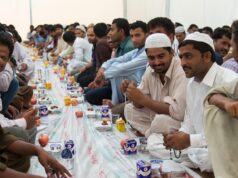
Algerian bricks are best enjoyed warm, accompanied by a steaming cup of traditional Algerian tea. Share these treats with your loved ones as you break your fast during Ramadan, or enjoy them as a sweet indulgence any time of the year.
Call to Action
As we near the end of this year’s Ramadan, let us continue to cherish our traditions and share them with those around us. Join me next time as we explore more delicious recipes from our Maghrebi heritage, and don’t forget to tag me in your social media posts so I can see how you’re enjoying these traditional treats!
You might also enjoy
Related Articles
- Authentic Algerian Eid al-Fitr Cookie Recipe: A Sweet Celebration for the Maghrebi Diaspora
- Maximizing Miles for Flights to the Middle East & North Africa: A Comprehensive Guide for Maghrebi Diaspora
- Savoring Lebanese Desserts at the West Scranton Food Festival: A Cultural Connection for the Maghrebi Diaspora
- Discovering Algeria: A Guide to its Culture, Traditions, and Cuisine
- Cultural Diplomacy: Algeria’s Influence Abroad and the Maghrebi Diaspora