Savoring the Traditional Sweetness: Date-Filled Semolina Cookies – A Maghrebi Pastry Legacy
Introduction
Welcome to a culinary journey that will transport you to the heart of the Maghreb region. Today, we’re going to dive into the world of traditional sweet treats and explore the fascinating story behind Date-Filled Semolina Cookies, also known as Makrounes or Ma’amoul.
These delectable morsels are more than just a tasty dessert; they represent a symbol of tradition, unity, and warm hospitality that characterizes Maghrebi culture. As we delve into the history and origins of these cookies, you’ll discover the rich cultural heritage that has been passed down through generations.
The History and Origins of Date-Filled Semolina Cookies
The story of Makrounes dates back to ancient times, when traders and travelers would carry these sweet treats as a token of kindness and nourishment on their long journeys. The name ‘Makrounes’ is derived from the Arabic word ‘Karwan’, meaning caravan, which signifies its traditional association with travelers.
Throughout history, Makrounes have been an integral part of Maghrebi gastronomy, with each region adding its unique twist to this delicious pastry. In ancient times, these cookies were prepared during religious festivals like Eid Al-Fitr and Eid Al-Adha, symbolizing joy, abundance, and unity among family and friends.
In the Maghreb, Makrounes are typically baked fresh for special occasions, filling homes with the sweet aroma of semolina and dates. The traditional recipe has been passed down through generations, with each family adding its own unique touches to the dough and fillings.
The Magic of Semolina and Dates
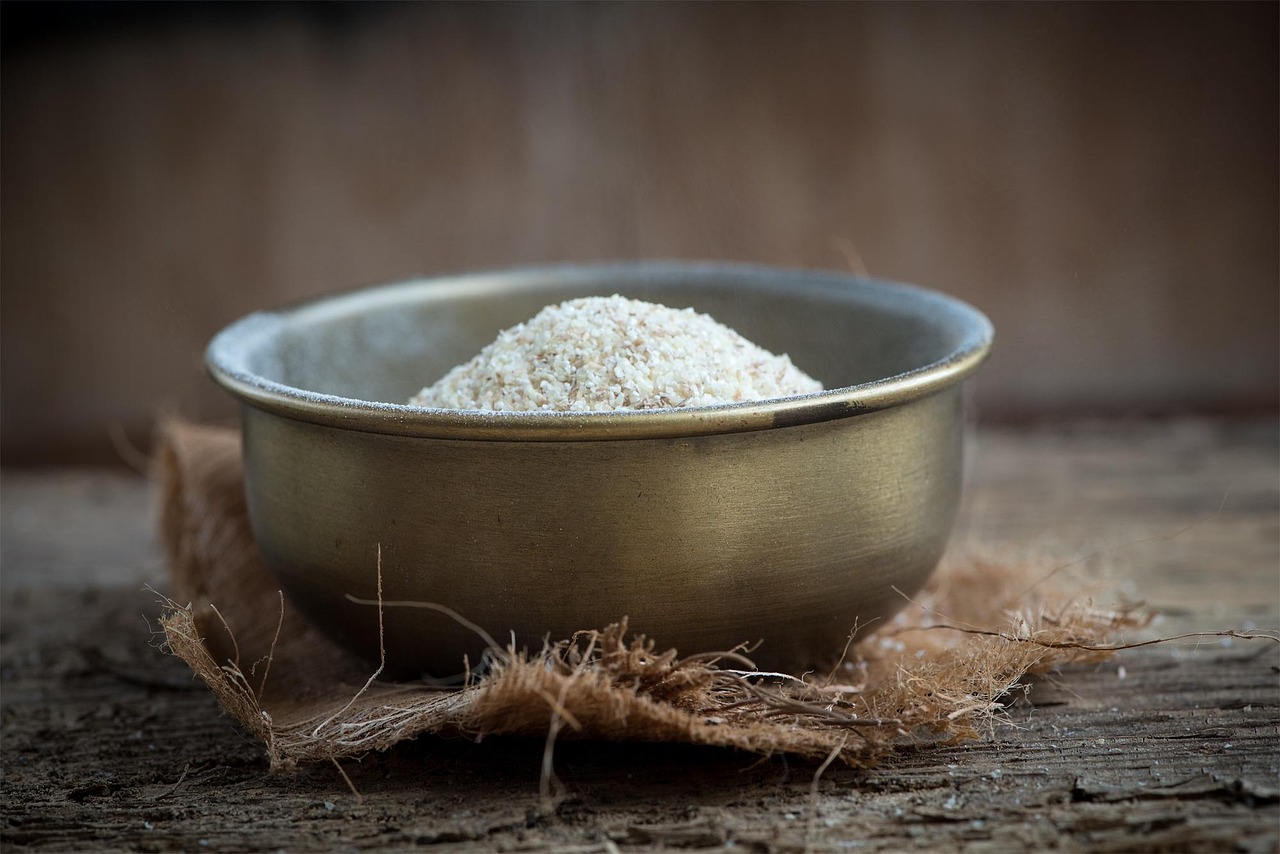
At the heart of Makrounes lies the harmonious union of semolina and dates – two humble yet powerful ingredients that come together to create an explosion of flavors and textures. Semolina, made from durum wheat, offers a rich, nutty flavor and a delightfully chewy texture.
When combined with the right amount of water and oil, it forms a pliable dough perfect for molding around delectable fillings like dates. The use of dates in Makrounes pays homage to this rich heritage while providing a satisfyingly sweet contrast to the semolina dough.
The combination of these two ingredients creates a delightful sensory experience, as the sweetness of the dates melts into the nutty flavor of the semolina. It’s no wonder that Makrounes have been a beloved part of Maghrebi culture for centuries!
The Art of Molding: Shaping Date-Filled Semolina Cookies
The art of making Makrounes isn’t just about the taste; it’s also about the delicate process of shaping these cookies. Traditionally, a mold is used to create the distinctive shape and indentation that neatly holds the date filling.
Some families pass down their unique molds from generation to generation, each with its own intricate patterns and symbols that reflect family history and traditions. The art of molding is a skill that requires patience, love, and attention to detail – just like the cookies themselves!
Preserving Tradition: Modern Interpretations of Date-Filled Semolina Cookies
As with many traditional dishes, Makrounes have evolved over time to suit modern tastes and preferences. Some bakers experiment with different types of dates, such as Medjool or Deglet Noor, to create a unique flavor profile.
Others explore alternative fillings like nuts, orange blossom water, or rose petals to add a twist to this classic pastry. Despite these innovations, the essence of Makrounes – their rich history, cultural significance, and traditional recipes – remains unchanged.
Conclusion
Date-Filled Semolina Cookies are more than just a dessert; they are a testament to the Maghrebi culture’s rich culinary heritage and tradition of hospitality. As we savor these delectable treats, let us remember to cherish our roots and share the joy and warmth they represent with others.
If you have your own unique Makrounes recipe or memories associated with this traditional pastry, we’d love to hear from you! Share your stories in the comments below and let’s celebrate this delicious piece of Maghrebi legacy together.
You might also enjoy
Related Articles
- Celebrating Eid Al-Fitr with Traditional Egyptian Desserts: Recipes for Festive Cookies
- Ramadan 2023: Savoring Traditional Tunisian Sfinge Dessert for Iftar
- Eid Cookies and Family Recipes: Celebrating Tunisian Passover in Marseille
- Discovering the Most Memorable Airbnbs in Morocco: A Personality-Filled Guide for the Maghrebi Diaspora
- Celebrating Tunisian Culture through Traditional Recipes for Eid al-Fitr