Embracing Modest Fashion in the West: A Cultural Journey through Academia for the Maghrebi Diaspora
Welcome to a thought-provoking journey that delves into the fascinating intersection of culture, fashion, and academia among the Maghrebi diaspora in the West. This article aims to shed light on the evolving landscape of modest fashion within Western societies, its cultural influences, and the ongoing academic discussions surrounding this topic. As we explore these themes, let us consider how they reflect and shape our understanding of identity, community, and cultural heritage.
The Rise of Modest Fashion in the West
In recent years, modest fashion has been gaining significant traction in the Western world, driven by a growing population of Muslims and other cultural groups that prioritize modesty. This shift can be attributed to a range of factors, including a heightened awareness of diversity and inclusivity, as well as a desire for greater authenticity and self-expression. Moreover, the increasing availability of modest clothing options has played a crucial role in popularizing this style.
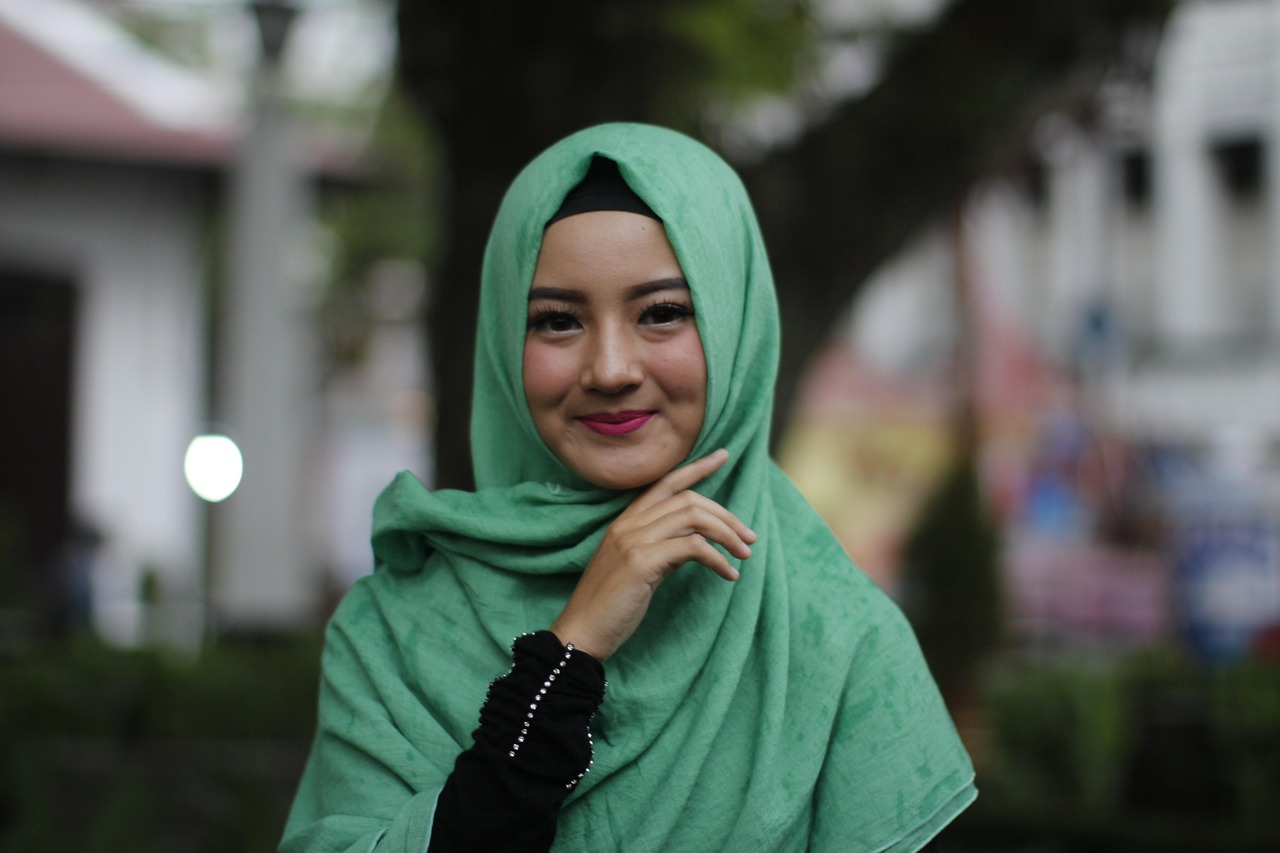
Modest fashion encompasses styles that adhere to specific dress codes based on religious beliefs or cultural traditions. For the Maghrebi diaspora, this may include long skirts, high necklines, and covered arms or legs. As we navigate these various expressions of modesty, it is essential to recognize the complexities and nuances that underlie them.
This growing interest in modest fashion has also given rise to an increasing number of academic studies focusing on its social, cultural, and economic implications. By examining these studies, we can gain a deeper understanding of the ways in which modest fashion intersects with issues of identity, community, and cultural heritage.
Academic Discussions on Modest Fashion
Academia plays a pivotal role in shaping public perceptions about modest fashion by providing insights into its historical, sociological, and cultural contexts. Researchers investigate topics such as the relationship between fashion and identity, the impact of modest fashion on self-expression, and the ways in which modest clothing can foster a sense of community among diaspora populations.
One notable academic initiative is the ‘Modes of Modesty’ conference, an annual event that brings together scholars, designers, and industry professionals to discuss the intersections between religion, culture, and fashion. These discussions provide valuable insights into the complexities of modest fashion in Western societies and serve as a platform for promoting inclusivity and diversity within the fashion industry.
Another significant contribution comes from academic journals such as the Journal of Fashion Marketing and Management (FMD) and the International Journal of Religious Tourism and Pilgrimage (IJRTP), which publish articles on the various aspects of modest fashion, including its role in tourism, marketing strategies, and consumer behavior.
The Influence of Maghrebi Culture on Modest Fashion
Maghrebi culture plays a substantial role in shaping contemporary modest fashion trends. Researchers study the traditional dress codes of countries like Morocco, Algeria, and Tunisia to understand their influence on modern fashion designs. For example, the jilbab or houria—traditional Maghrebi garments worn by women—have inspired numerous Western designers to create more modest clothing options.
Moreover, academic studies explore the ways in which Maghrebi culture is incorporated into the identities of diaspora communities. By examining fashion as a means of self-expression and cultural preservation, these studies provide valuable insights into the experiences of Maghrebis living abroad.
One such example is a study by Haddad (2018) that investigates how Algerian diaspora women in France utilize fashion as a tool for maintaining their cultural identity while navigating Western societal norms. This study highlights the importance of understanding the complex dynamics at play within diaspora communities and the role that fashion can play in negotiating these complexities.
Challenges and Opportunities in the Fashion Industry
The rise of modest fashion presents both challenges and opportunities for the fashion industry. On one hand, it necessitates a shift towards greater inclusivity and diversity in design and marketing strategies. On the other hand, it opens up new markets and revenue streams for businesses that cater to this growing consumer base.
Academic research plays an essential role in addressing these challenges by providing insights into consumer preferences, market trends, and the potential for partnerships between Western and Muslim fashion brands. For instance, a study by Karaosmanoğlu et al. (2017) examines the strategic alliances between luxury fashion brands and modest fashion retailers as a means of expanding their customer base.
A Call to Action
As the field of academic research on modest fashion continues to grow, it is crucial for members of the Maghrebi diaspora to engage with these discussions. By staying informed about the latest findings and trends in this area, individuals can contribute to a more nuanced understanding of their own cultural identities and the role of modest fashion within Western societies.
Additionally, by supporting academic initiatives that focus on modest fashion, such as the ‘Modes of Modesty’ conference, we can help ensure that the voices of Maghrebis and other cultural groups are heard within the broader conversation about fashion and identity. By working together to promote greater understanding and inclusivity, we can create a more vibrant and diverse fashion landscape that celebrates individuality and community.
You might also enjoy
Related Articles
- Exploring Modest Muslim Fashion in Western Academia: A Comprehensive Overview for Maghrebi Diaspora Readers
- Embracing Modernity while Honoring Tradition: A Deep Dive into Contemporary Muslim Women’s Fashion for the Maghrebi Diaspora
- Revival of Moroccan Jewish Culture Through Ethnographic Lens: A Journey of Discovery for Maghrebi Diaspora
- Rising Tides: The Emergence of Modest Fashion in Western Academia through North African Lenses
- Capturing Moroccan Youth Culture through Sartorial Photography: A Visual Exploration of Maghrebi Diaspora