Eid Cookies: A Delicious Tradition Celebrating Festive Spirit in Egyptian Homes
Introduction to Eid Al-Fitr and its Significance
As the holy month of Ramadan comes to a close, families around the world prepare for one of the most anticipated celebrations in the Islamic calendar – Eid Al-Fitr. This joyous occasion marks the end of 29 or 30 days of fasting and is a time for family gatherings, prayer, charity, and feasting. In Egypt, Eid cookies take center stage as an integral part of this festive season.
Eid Al-Fitr is a time for families to come together, share meals, and exchange gifts. It’s a celebration that transcends cultural boundaries, bringing people from all walks of life together in the spirit of love, unity, and gratitude. In Egyptian homes, Eid cookies are more than just a sweet treat – they’re a symbol of tradition, culture, and community.
The Art and History of Egyptian Eid Cookies
For centuries, Eid cookies have been a staple in Egyptian celebrations, with their history dating back to the Mamluk period. Over time, recipes have evolved, incorporating new flavors and decorative elements. What remains constant is the cultural significance these cookies hold, serving as a reminder of Egypt’s rich heritage and the bonds that unite its people.
From region to region, each has its unique twist on the traditional recipe, resulting in a vibrant selection of treats that reflect the diversity and unity of Egyptian communities. These intricate designs and vibrant colors are not just about aesthetics – they hold deep cultural significance, serving as a testament to Egypt’s rich history and heritage.
Four Popular Egyptian Eid Cookies to Satisfy Your Sweet Tooth
1. Kahk: The Iconic Eid Cookie
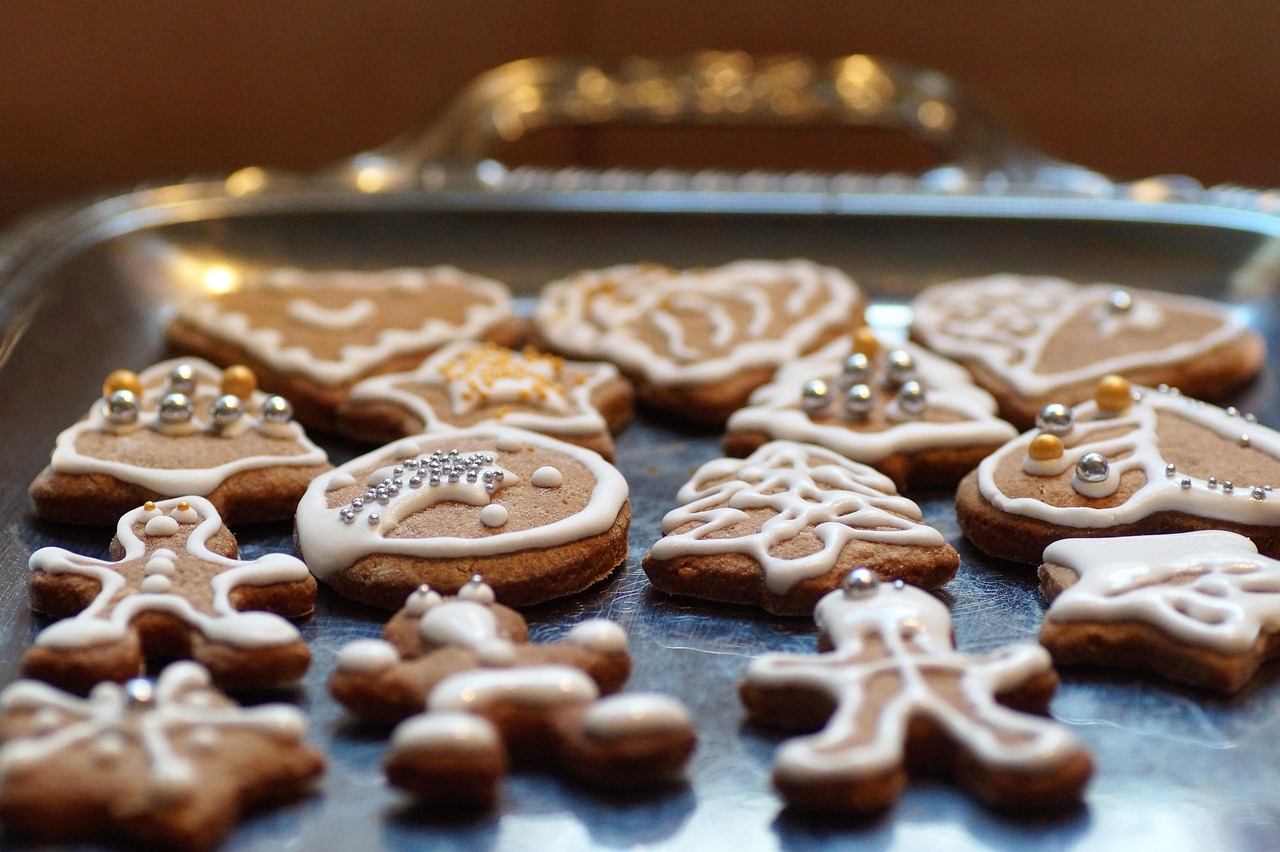
Kahk is perhaps the most well-known Eid cookie in Egypt, with a flavor profile that’s both buttery and aromatic. Flavored with orange blossom water, rosewater, or aniseed, these shortbread-like cookies are often filled with dates, almonds, or coconut. The classic Kahk mold features a star shape, but you may find more elaborate designs such as flowers or animals, depending on the region of origin.
Kahk is a beloved treat in Egypt, and its popularity extends far beyond the country’s borders. Whether you’re enjoying one fresh from the oven or sharing them with loved ones, Kahk embodies the spirit of generosity and community that defines Eid Al-Fitr celebrations.
2. Basbousa: A Sweet Semolina Cake
Basbousa is another popular Eid treat in Egypt, often referred to as semolina cake. Made from semolina flour, soaked in sweet syrup, and topped with grated coconut or chopped nuts, this dessert offers a delightful contrast of textures. While it’s not technically a cookie, Basbousa is an integral part of the Eid Al-Fitr celebrations, providing a sweet respite from the savory dishes that dominate the festive season.
Basbousa is often served warm, drizzled with honey or syrup, and accompanied by a steaming cup of coffee or tea. Its sweetness and versatility make it a must-have during the Eid Al-Fitr celebrations, providing a sweet treat for both young and old.
3. Ma’moul: Date-Stuffed Cookies with a Rich History
Ma’moul is another favorite Eid cookie in Egypt, with a rich Levantine heritage. These date-stuffed cookies feature intricate molds shaped like flowers, birds, or geometric patterns, making them visually stunning and incredibly flavorful.
Ma’moul has been a staple in Middle Eastern celebrations for centuries, with its origins dating back to the Ottoman Empire. Today, these cookies are enjoyed not just in Egypt but around the world, serving as a symbol of unity and cultural heritage.
4. Qatayef: Soft Pancake Pockets Filled with Sweet Delights
Qatayef is a popular Middle Eastern dessert that takes on various forms during Ramadan and Eid Al-Fitr celebrations. These soft, thin pancake pockets are filled with sweet fillings such as nut paste, cream cheese, or date molasses.
In Egypt, Qatayef are often enjoyed soaked in sugar syrup and sprinkled with crushed nuts, offering a delightful blend of flavors and textures. Whether you’re enjoying one warm from the oven or sharing them with loved ones, Qatayef embodies the spirit of community and generosity that defines Eid Al-Fitr celebrations.
The Spirit of Community and Sharing
During Eid Al-Fitr, families often spend days preparing traditional dishes and sweets to share with neighbors, friends, and relatives. Eid cookies play a crucial role in this tradition, serving as symbols of unity, love, and camaraderie.
These delectable treats not only bring joy to those who consume them but also foster an atmosphere of warmth and community spirit that lingers long after the festivities have ended. By gifting Eid cookies, Egyptians demonstrate their respect for one another and reinforce the importance of mutual support within their communities.
Joining in the Festive Spirit: A Call to Action
As we immerse ourselves in the rich culture and traditions of our Maghrebi brethren, let us take a moment to appreciate the universal spirit of camaraderie embodied by Egypt’s Eid cookies. May these treats serve as a reminder of the warmth and love that bind communities together.
This Eid Al-Fitr season, consider sharing traditional Egyptian Eid cookies with your loved ones or neighbors to spread joy and foster a sense of unity within your own community. Whether you’re sharing Kahk, Basbousa, Ma’moul, or Qatayef, the spirit of generosity and community will shine through.
You might also enjoy
Related Articles
- Celebrating Eid Al-Fitr with Traditional Egyptian Desserts: Recipes for Festive Cookies
- Celebrating Eid Al-Fitr with Traditional Moroccan and Egyptian Cookies
- Celebrating Eid with Delicious Moroccan Eid Cookies: A Culinary Journey Through Tradition
- Celebrating Eid al-Fitr with Authentic Cookie Recipes from the Region
- Celebrating North African Culinary Heritage: 8 UNESCO World Cultural Heritage Dishes