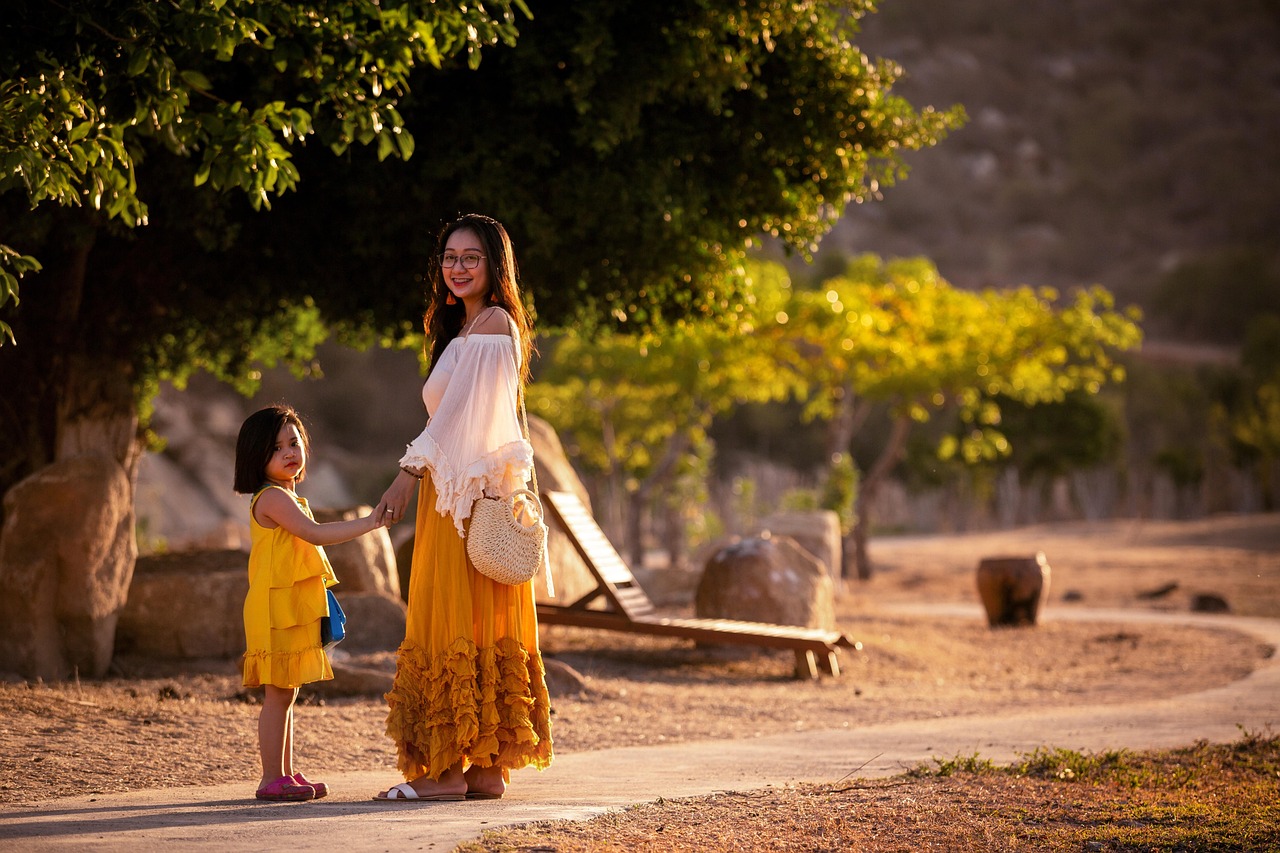
Celebrating Mother’s Day in the North African Diaspora: A Cultural Exploration
As members of the Maghrebi diaspora, we carry our rich cultural heritage with us wherever we go. One tradition that remains deeply ingrained in our hearts is the celebration of Mother’s Day, a day dedicated to honoring and appreciating our mothers, grandmothers, and all maternal figures who have shaped our lives. This article aims to delve into how this special day is observed within the North African diaspora.
Our cultural heritage is woven into the very fabric of our daily lives, influencing the way we celebrate milestones like Mother’s Day. In Morocco, for instance, the tradition stems from the annual ‘Aid Al-Kabir or Bakra Eid, a major Islamic holiday during which families gather and express gratitude for their loved ones, particularly mothers. This sense of community and togetherness is at the heart of many North African celebrations, including Mother’s Day.
In Tunisia, Mother’s Day is celebrated on March 21st in honor of the anniversary of Habib Bourguiba, the first President of Tunisia, who was deeply committed to women’s rights. This date holds significant cultural and historical importance for Tunisians, serving as a reminder of the country’s rich history and heritage. In Algeria, while there isn’t a specific national holiday for Mother’s Day, families still dedicate time to celebrate their mothers on various occasions, such as weddings and other special events.
The North African Diaspora in Europe
European cities have become home to many Maghrebi communities, and Mother’s Day traditions are enthusiastically embraced and adapted. In Paris, one of the largest North African diaspora communities outside of Africa, families often gather for a large feast, much like the traditional family gatherings during ‘Aid Al-Kabir. This festive atmosphere is characterized by lively music, delicious food, and warm company.
In cities such as London and Brussels, Mother’s Day is celebrated with gifts, cards, and flowers, following Western traditions. However, food plays a significant role in maintaining the cultural connection to home, with traditional North African dishes prepared especially for the occasion. From fragrant tagines to savory couscous, these culinary masterpieces bring people together and evoke feelings of nostalgia and warmth.
The Americas: A Melting Pot of Cultures
In the United States and Canada, where large Maghrebi communities have established roots, Mother’s Day is celebrated in a similar fashion to Western traditions. However, North African influences are still present in the way families come together for communal meals, often featuring traditional dishes such as couscous or tagine.
In some cases, community events are organized by cultural organizations to bring people together and celebrate their shared heritage. These events often include live music, dance performances, and workshops teaching North African crafts and cooking techniques. This fusion of cultures creates a vibrant and inclusive atmosphere, allowing individuals to connect with their roots while embracing their new surroundings.
Celebrating Mother’s Day in Australia and New Zealand
The Maghrebi diaspora has also made its mark in Australia and New Zealand. In these countries, Mother’s Day is celebrated much like it is in the West, but families may choose to incorporate North African traditions into their celebrations, such as preparing traditional dishes or organizing cultural events.
In some cases, community events are organized by cultural organizations to bring people together and celebrate their shared heritage. These events often include live music, dance performances, and workshops teaching North African crafts and cooking techniques. This fusion of cultures creates a vibrant and inclusive atmosphere, allowing individuals to connect with their roots while embracing their new surroundings.
Embracing Our Cultural Identity While Honoring Mothers
Regardless of where we are in the world, our North African heritage remains an integral part of who we are. As we celebrate Mother’s Day, let us take a moment to appreciate not only our mothers but also the rich cultural traditions that have been passed down through generations.
We encourage everyone to embrace these traditions and share them with others as a means of preserving our cultural identity while celebrating the women who have played such vital roles in shaping our lives. Happy Mother’s Day to all mothers, grandmothers, and maternal figures in the North African diaspora!
You might also enjoy
Related Articles
- Celebrating North African Culinary Heritage: 8 UNESCO World Cultural Heritage Dishes
- Exploring the Rich Cultural Heritage of North Africa: A Journey through History
- Unveiling the Judeo-Amazigh Cultural Substratum in North Africa
- Capturing Moroccan Youth Culture through Sartorial Photography: A Visual Exploration of Maghrebi Diaspora
- Exploring the Rich Judeo-Amazigh Heritage in North Africa