Revolutionizing Southern Tunisia: The Olive Farm Led by Tunisian Artists
Introduction
In the heart of Southern Tunisia, a unique blend of art, culture, and agriculture has come together to revolutionize traditional practices. An olive farm led by talented Tunisian artists has not only become a source of income for its community but also stands as a testament to the power of creativity and sustainability.
This article delves into the inspiring story behind this remarkable project, highlighting its impact on the local economy, environment, and cultural landscape. With a rich cultural heritage and natural resources at their disposal, these artists have turned their passion for art and farming into a thriving business that benefits not only themselves but also the region as a whole.
1. The Origins: Artists Turned Farmers
A Unique Collaboration
The idea for this olive farm was born out of a desire to merge artistic creativity with sustainable agricultural practices. A group of Tunisian artists, each with their own unique backgrounds in visual arts, theater, and music, came together to form a collective dedicated to exploring new ways of living harmoniously with nature.
Inspired by the region’s rich cultural heritage and natural resources, these artists envisioned a project that would not only create a thriving business but also contribute to the local artistic and intellectual life. With a deep understanding of the importance of community engagement and social responsibility, they set out to establish an olive farm that would be a model for sustainable development.
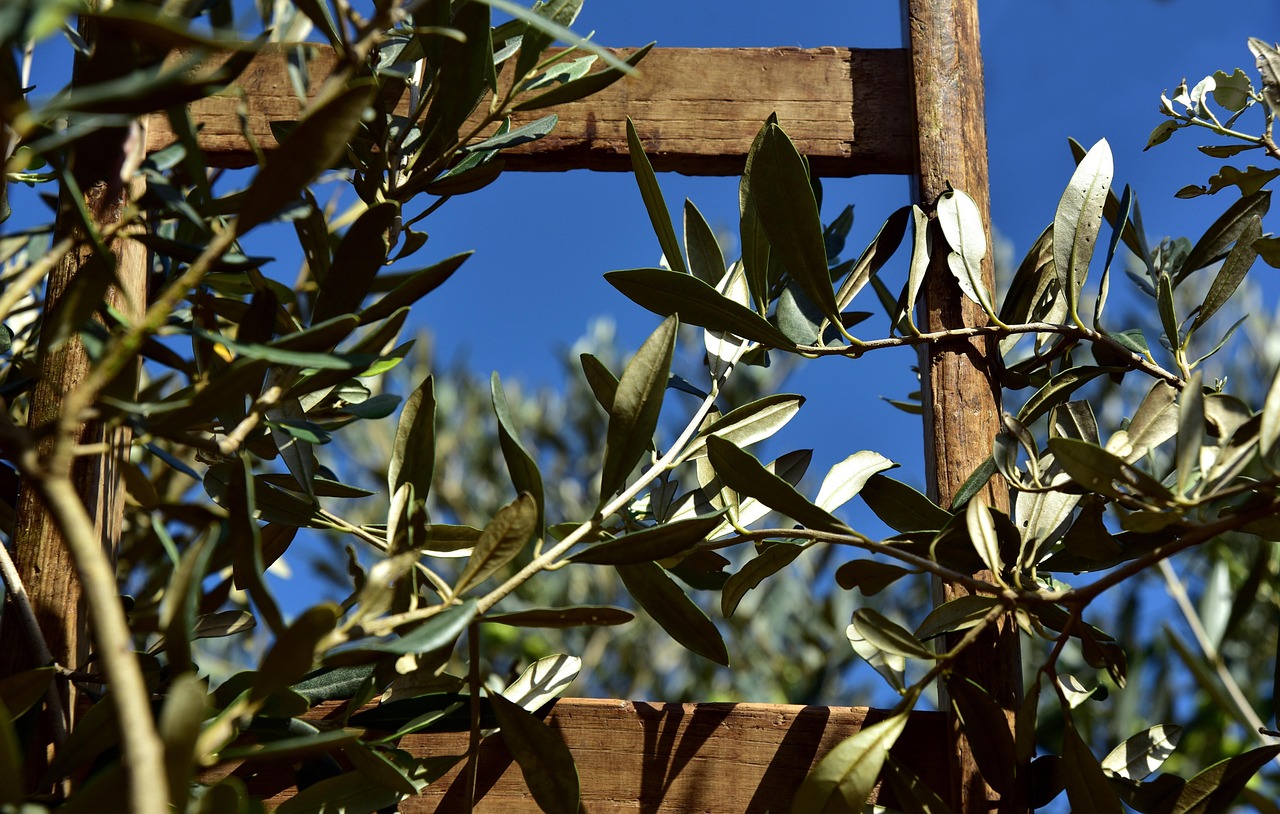
The team spent several years researching and experimenting with various farming techniques before settling on olive cultivation – a tradition deeply rooted in Tunisian culture. Through trial and error, they gradually developed a deep understanding of their land and began implementing innovative solutions to traditional problems – such as using organic pesticides derived from locally sourced plants.
A Learning Curve
As novice farmers, the artists faced numerous challenges as they sought to establish their farm. They invested considerable time and effort into learning about olive trees, soil composition, irrigation systems, and pest management. Alongside this practical knowledge, they also studied the history of olive farming in Tunisia and sought out local experts to help guide them on their journey.
Through perseverance and a willingness to learn from their mistakes, they gradually developed a deep understanding of their land and began implementing innovative solutions to traditional problems. This commitment to sustainability has set them apart from other olive farmers in the region, attracting attention and admiration from both local communities and international visitors.
Cultivating Community
Beyond their dedication to sustainable farming practices, the artists have also prioritized building strong relationships within the local community. They collaborate with nearby villages on various projects, offering workshops in arts and crafts while learning from elders about traditional farming techniques.
The farm has become a gathering place for people of all ages, providing opportunities for education, creativity, and cultural exchange. This spirit of collaboration extends beyond the local community – the artists often invite international artists to stay on the farm, creating a dynamic and vibrant atmosphere that continues to evolve.
2. Economic Impact
Boosting Local Economy
The olive farm has made a significant contribution to the local economy by creating jobs for residents and attracting tourists interested in experiencing the unique fusion of art, culture, and agriculture.
In addition to employing local workers, the artists also prioritize sourcing materials and resources from within the region, further bolstering the area’s economy. By supporting small-scale olive growers and encouraging sustainable agricultural practices, they have helped to alleviate poverty in the region and promote economic empowerment.
Supporting Fair Trade
The artists are strong advocates for fair trade and ethical business practices. They work closely with local cooperatives to ensure that farmers receive a fair price for their olives, helping to alleviate poverty in the region.
In addition, they provide training and support to small-scale olive growers, teaching them sustainable farming techniques and encouraging them to adopt eco-friendly practices. This commitment to fair trade and community development has earned the farm recognition and respect from both local communities and international organizations focused on sustainable agriculture and economic empowerment.
Education and Collaboration
The artists are also committed to educating others about the importance of sustainable farming practices and the potential for art and culture to drive social and economic change. They frequently host workshops, lectures, and exhibitions aimed at sharing their knowledge and inspiring others to take action.
By collaborating with local organizations, schools, and community groups, they hope to create a ripple effect – empowering individuals to make a difference in their own communities through art, agriculture, and social engagement. Through these efforts, they have established themselves as leaders in the field of sustainable development, inspiring others to follow in their footsteps.
3. Environmental Stewardship
Sustainable Practices
The artists’ commitment to sustainability extends beyond olive farming – they have implemented a comprehensive approach that addresses everything from soil health to waste management.
They have developed an organic fertilizer made from compost and plant residues, reducing reliance on chemical inputs and promoting biodiversity in the farm’s ecosystem. By integrating trees and shrubs into their olive groves, they have created a more diverse and resilient landscape that can withstand climate change and pest pressure.
Water Conservation
Water scarcity is a pressing issue in Southern Tunisia, so the artists have taken measures to conserve this precious resource. They use drip irrigation systems to deliver water directly to the roots of olive trees, reducing evaporation and runoff.
In addition, they have implemented rainwater harvesting techniques, collecting rainwater from roofs and using it for irrigation during dry periods. By adopting these innovative approaches, they have reduced their water consumption by over 50% and minimized their impact on the region’s already strained water resources.
Biodiversity and Wildlife Protection
Recognizing the importance of biodiversity for both ecosystem health and agricultural resilience, the artists have implemented various strategies to protect and enhance local wildlife populations.
They have established habitat corridors, connecting different areas of their land to provide safe passage for animals. They also maintain a buffer zone around the farm, preserving native vegetation and providing shelter for insects, birds, and small mammals. By promoting biodiversity, they have created a thriving ecosystem that supports a wide range of plant and animal species.
4. Cultural Preservation
Reviving Traditional Practices
The artists’ collaboration with local elders has allowed them to learn about and revive traditional olive farming techniques that have been passed down through generations.
They have implemented these practices on their farm, blending them with modern innovations to create a unique approach that honors the past while looking towards the future. By preserving this cultural heritage, they are helping to ensure that Tunisian agriculture continues to be shaped by its rich history and traditions.
Celebrating Cultural Diversity
The artists recognize the importance of celebrating the diverse cultures present in Southern Tunisia, and they strive to create a space that embraces this rich tapestry of tradition, language, and art.
They host events that showcase local music, dance, and cuisine, as well as exhibitions featuring works by both established and emerging artists from the region. By celebrating cultural diversity, they have created a vibrant and inclusive atmosphere that fosters creativity, community engagement, and social cohesion.
Encouraging Cultural Exchange
The farm serves as a platform for cultural exchange between artists from Tunisia and around the world. International artists are invited to stay on the farm, learning about traditional olive farming techniques while sharing their own artistic practices.
In doing so, they contribute to the preservation of Tunisian cultural identity while fostering a greater appreciation for its diversity among locals and visitors alike. By encouraging cultural exchange, they have created a dynamic and inclusive environment that celebrates the beauty of human creativity and expression.
5. A Call to Action
The story of this Tunisian olive farm serves as a powerful example of how art, agriculture, and community can come together to drive social, economic, and environmental change.
We encourage our fellow members of the Maghrebi diaspora to support projects like this one – whether through volunteering, donations, or simply by sharing their stories with others.
- Consider visiting the farm during your next trip to Tunisia and participating in workshops or cultural events.
- Spread the word about this innovative project – share its story on social media, with friends, and within your community.
- Investigate similar initiatives in other regions of the Maghreb and consider supporting them financially or through volunteering.
- Advocate for policies that promote sustainable agriculture, cultural preservation, and economic empowerment – both within Tunisia and abroad.
By working together, we can help ensure that projects like this one continue to flourish and inspire future generations of artists, farmers, and community leaders in the Maghreb.
You might also enjoy
Related Articles
- Ramadan 2026: Preparing for the Holy Month – A Comprehensive Guide for the Algerian, Tunisian, and Moroccan Community
- Ramadan 2023: Savoring Traditional Tunisian Sfinge Dessert for Iftar
- Exploring the Rich Flavors of 15 Tunisian Recipes for Your Mediterranean Diet
- A Taste of Home: Authentic Yabrak Stuffed Romaine Lettuce Leaves for a Tunisian Passover in Marseille
- Empowering Women Through Style: Tunisian Fashion Designers to Watch