Rediscovering Al-Andalus: The Enduring Influence of Moorish Art and Architecture in Modern North Africa
Welcome, dear readers from the Maghrebi diaspora! Today, we embark on a fascinating journey to explore the lasting impact of Al-Andalus on the art, culture, and architecture of contemporary North Africa. Prepare to be transported through time as we delve into the rich legacy of Moorish influence that continues to shape our shared heritage.
The Origins of Al-Andalus: A Brief Overview
Al-Andalus refers to the territory occupied by Muslims in the Iberian Peninsula from 711 AD, following the Umayyad conquest, until 1492 AD, when the last Muslim stronghold, Granada, fell to the Christian Reconquista. This period was marked by significant achievements in science, philosophy, literature, art, and architecture, as scholars and artists from across the Islamic world converged on this cosmopolitan hub of intellectual exchange.
The Islamic Golden Age in Al-Andalus was characterized by an explosion of creativity, with renowned mathematicians like Ibn Yunus and Ibn al-Haytham making groundbreaking contributions to our understanding of the natural world. The works of Andalusian poets like Ibn Zayd al-Fassi and Ibn Khafaji continue to inspire and captivate readers to this day.
The Artistic Legacy: A Symphony of Colors, Patterns, and Textures
One cannot speak of Al-Andalus without mentioning its breathtaking art and architecture. The intricate geometric patterns, vibrant colors, and elegant calligraphy that adorn the walls of mosques, palaces, and public spaces continue to inspire awe and admiration.
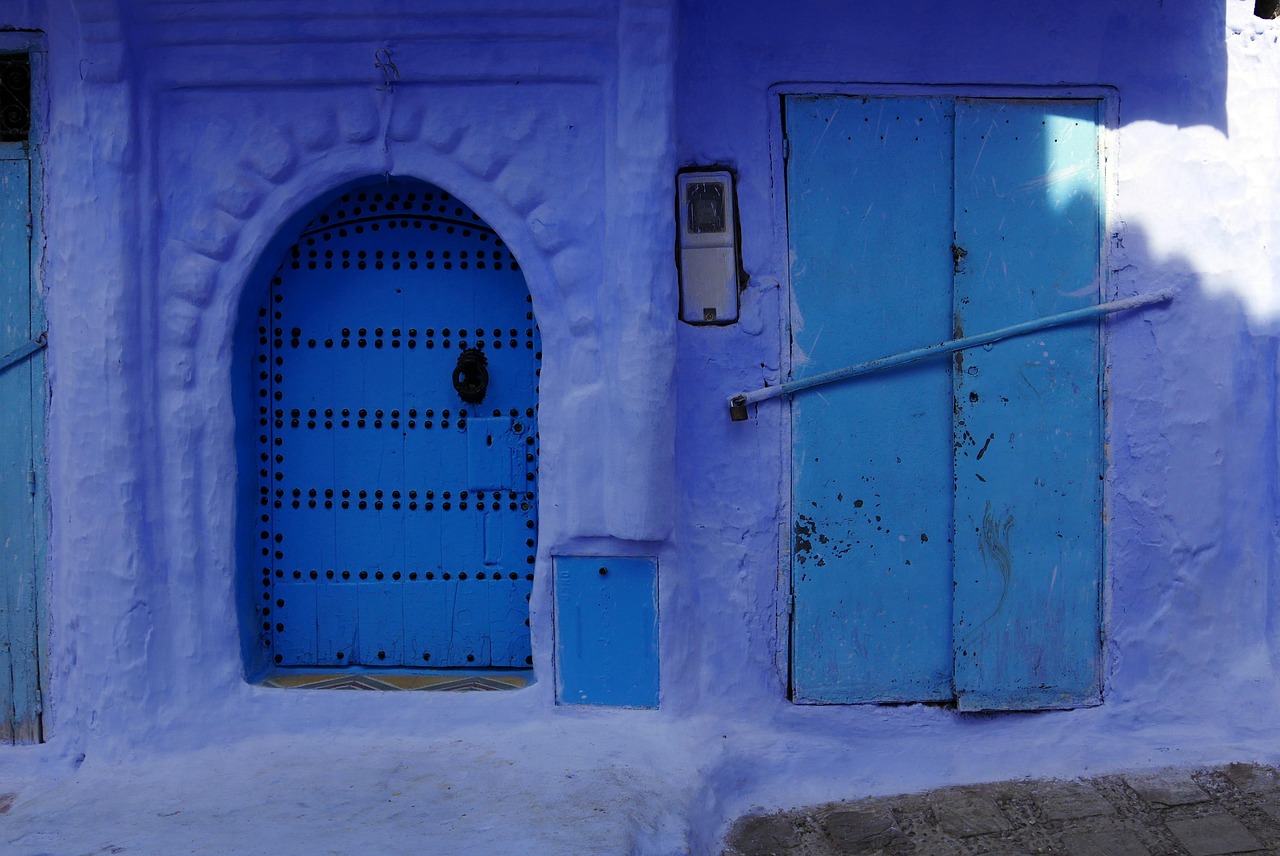
In modern North Africa, you can see echoes of this heritage in the zellij tiles that adorn buildings in Morocco, Tunisia, and Algeria. These intricate mosaics of colored plaster, stone, or glass are a direct descendant of the artistry found in Al-Andalusian architecture. The ornate arches, domes, and minarets that punctuate the urban landscapes of cities like Marrakech, Fez, and Tunis owe their aesthetic appeal to the Moorish influence.
The fusion of Islamic geometric patterns with indigenous Moroccan and Andalusian styles has given rise to a unique architectural language that is distinctly North African. The intricate carvings, ornate tile work, and calligraphic inscriptions that adorn these structures are a testament to the enduring power of Al-Andalusian artistry.
The Influence on Literature: The Pursuit of Knowledge and Wisdom
Al-Andalus was a beacon of intellectualism during the Middle Ages. Many works from classical antiquity were preserved and built upon in Al-Andalus, making their way to North Africa and shaping its literary landscape.
The Andalusian scholar Ibn Rushd (Averroes) is renowned for his groundbreaking commentaries on Aristotle’s philosophy, which had a profound impact on the development of Western thought. His works continue to inspire intellectual discourse across North Africa and beyond.
The literary legacy of Al-Andalus extends far beyond the realm of scholarly treatises. The poetry of Ibn Zayd al-Fassi and Ibn Khafaji continues to captivate readers, while the stories of Arab travelers like Ibn Battuta and Hassan al-Wazzan (Leo Africanus) continue to inspire generations.
The Cultural Legacy: A Melting Pot of Ideas, Traditions, and Experiences
Al-Andalus was a vibrant melting pot of diverse cultures, where Muslims, Jews, Christians, and others coexisted, exchanged ideas, and enriched each other’s traditions. This multiculturalism is evident in the syncretic art forms that emerged during this period.
In modern North Africa, we can see remnants of this cultural synergy in the unique fusion of local traditions with Arab, Berber, and Andalusian influences. From the aromatic spices and rich textiles that characterize Moroccan cuisine to the intricate tile work and ornate architecture of Andalusian cities like Seville and Granada, these blended elements form an integral part of our shared heritage.
The Call to Preserve and Celebrate Our Heritage
As we rediscover the enduring influence of Al-Andalus on modern North Africa, it is essential that we take strides towards preserving and celebrating this shared heritage.
- Support local initiatives aimed at restoring historical sites and monuments, such as the ancient city of Fes el-Bali or the stunning mosque of Hassan II in Marrakech.
- Celebrate our shared cultural roots by promoting traditional art forms, music, and literature. From the soulful rhythms of Moroccan Gnawa music to the intricate embroidery and weaving traditions of North African artisans, there is a rich tapestry of cultural heritage waiting to be explored.
- Educate ourselves and others about the rich history of Al-Andalus and its lasting impact on North Africa. By acknowledging and celebrating our shared heritage, we not only pay homage to the past but also strengthen our collective identity in the present.
By embracing our shared cultural heritage, we can create a brighter future for ourselves and for generations to come. Let us continue to uncover the hidden gems of Al-Andalus and proudly carry forward its legacy in modern North Africa.
You might also enjoy
Related Articles
- Exploring the Rich Cultural Heritage of North Africa: A Journey through History
- Exploring UNESCO World Cultural Heritage Sites in North African Cuisine: A Journey Through the Maghrebi Diaspora
- Exploring the Rich Judeo-Amazigh Heritage in North Africa
- Reviving Cultural Identity: A Call for Visual Art Pitches in Middle East and North Africa
- Rediscovering Rabat: A Transformative Urban Destination for the Maghrebi Diaspora