Moroccan Fashion Week 2026: A Spectacular Celebration of Culture and Creativity
Welcome to our exclusive report on Moroccan Fashion Week 2026, where the boundaries of creativity were pushed and the beauty of Morocco’s rich cultural heritage shone bright. As we delve into the world of fashion, it’s clear that this year’s event was a true celebration of culture and creativity, with designers from around the globe coming together to showcase their unique perspectives.
A Melding of Tradition and Modernity: The Opening Show
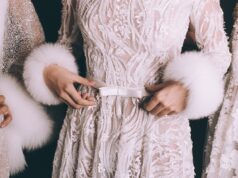
The opening show set the tone for an unforgettable week, featuring designs by Hakim Bourgia. His collection, titled ‘Marrakech Nights,’ was a masterclass in blending traditional Moroccan embroidery with contemporary silhouettes. Each piece was a testament to the designer’s ability to weave together the past and present, creating something truly breathtaking.
The show featured models walking the runway adorned in traditional Berber jewelry, symbolizing the seamless blending of modern fashion with ancestral tradition. The soundtrack, consisting of modern interpretations of traditional Moroccan music, added an extra layer of depth and atmosphere to the overall experience. And as the show came to a close, the night sky was illuminated by a mesmerizing display of fireworks – a true spectacle that left a lasting impression.
As we gazed upon the runway, it was clear that Bourgia’s designs were not only stunning but also deeply rooted in Moroccan culture and heritage. The intricate patterns and vibrant colors reminded us all of the magic and mystery that Marrakech holds – a city that has long been synonymous with beauty, elegance, and sophistication.
Empowering Women through Design: Collection ‘Nisaa’
Among this year’s standout collections was ‘Nisaa,’ by emerging designer Fatima Zohra El Khatib. This collection aimed to empower and uplift women, using sustainable materials and bold designs that celebrated femininity and strength. Each piece was a testament to the power of fashion to make a positive impact on society.
The collection drew inspiration from the powerful Amazigh women, known for their resilience and determination. El Khatib’s designs were adorned with intricate silver and gold embroidery, reminiscent of ancient Moroccan artisanal craftsmanship. Her use of sustainable materials such as organic cotton and Tencel further underscored her commitment to creating a fashion line that is both beautiful and eco-friendly.
As we explored the collection, it became clear that El Khatib’s designs were not only stunning but also deeply rooted in Moroccan culture and heritage. The Amazigh women who inspired the collection are a testament to the strength and resilience of Morocco’s indigenous population – a reminder of the importance of preserving cultural traditions and values.
Reviving Traditional Textiles: The Revival of ‘Boubou’
Another highlight was the revival of the traditional ‘Boubou,’ a long, flowing robe that is a staple in Moroccan culture. Designer Hassan Hajjaj breathed new life into this classic garment by incorporating contemporary motifs and bold colors, making it relevant for modern-day wear.
Hajjaj’s designs were inspired by the vibrant street style of Casablanca, blending traditional Moroccan aesthetics with urban elements such as graffiti, hip-hop, and pop culture. The collection was a testament to Hajjaj’s ability to create timeless pieces that resonate with both the young and old.
The ‘Boubou’ designs were also adorned with intricate beadwork and sequins, adding an extra layer of glamour to this classic garment. As we gazed upon the runway, it was clear that Hajjaj had successfully revived a traditional textile while still making it relevant for modern-day fashion.
Innovative Fabrics and Cutting-Edge Designs: The Future of Moroccan Fashion
The future of Moroccan fashion was on full display during the ‘Futurism’ show, featuring designs by a collective of emerging designers. This avant-garde collection showcased innovative fabrics, cutting-edge silhouettes, and an emphasis on sustainability.
One standout design from this show was a futuristic hijab made from recycled plastic bottles. This groundbreaking piece demonstrated the potential for fashion to make a positive impact on the environment while still being stylish and innovative.
The ‘Futurism’ show also featured designs by Lina Benabdallah, whose work combines traditional Moroccan embroidery with modern technology. One of her designs, titled ‘Techno,’ featured a dress made from light-up fabric that changed color and pattern to create a truly mesmerizing effect.
Join the Movement: Supporting the Future of Moroccan Fashion
As members of the Maghrebi diaspora, we have the unique opportunity to support these talented designers and help shape the future of Moroccan fashion. By investing in their creations, we can ensure that their incredible work continues to thrive and inspire new generations.
Whether it’s through purchasing their designs or simply spreading the word about their talent, every small action counts. Let us come together as a community to celebrate and support the incredible creativity that Moroccan fashion has to offer.
You might also enjoy
Related Articles
- Exploring Morocco Fashion Week 2026: A Showcase of Emerging Talent
- Revisiting Moroccan Fashion: A Weekly Recap for the Maghrebi Diaspora – Week 2026
- Capturing Moroccan Youth Culture through Sartorial Photography: A Visual Exploration of Maghrebi Diaspora
- Moroccan Youth Culture Through a Photographer’s Lens: A Sartorial Perspective
- Fashion Forward: Highlights from Morocco Fashion Week 2026