Exploring the Rise and Empowerment of the Maghrebi Diaspora Community
Welcome to a journey that celebrates the rich history, resilience, and potential of the Maghrebi diaspora community. As members of this dynamic group dispersed across the globe, we have grown, adapted, and thrived, all while preserving our unique cultural identity.
The Origins: Roots in North Africa
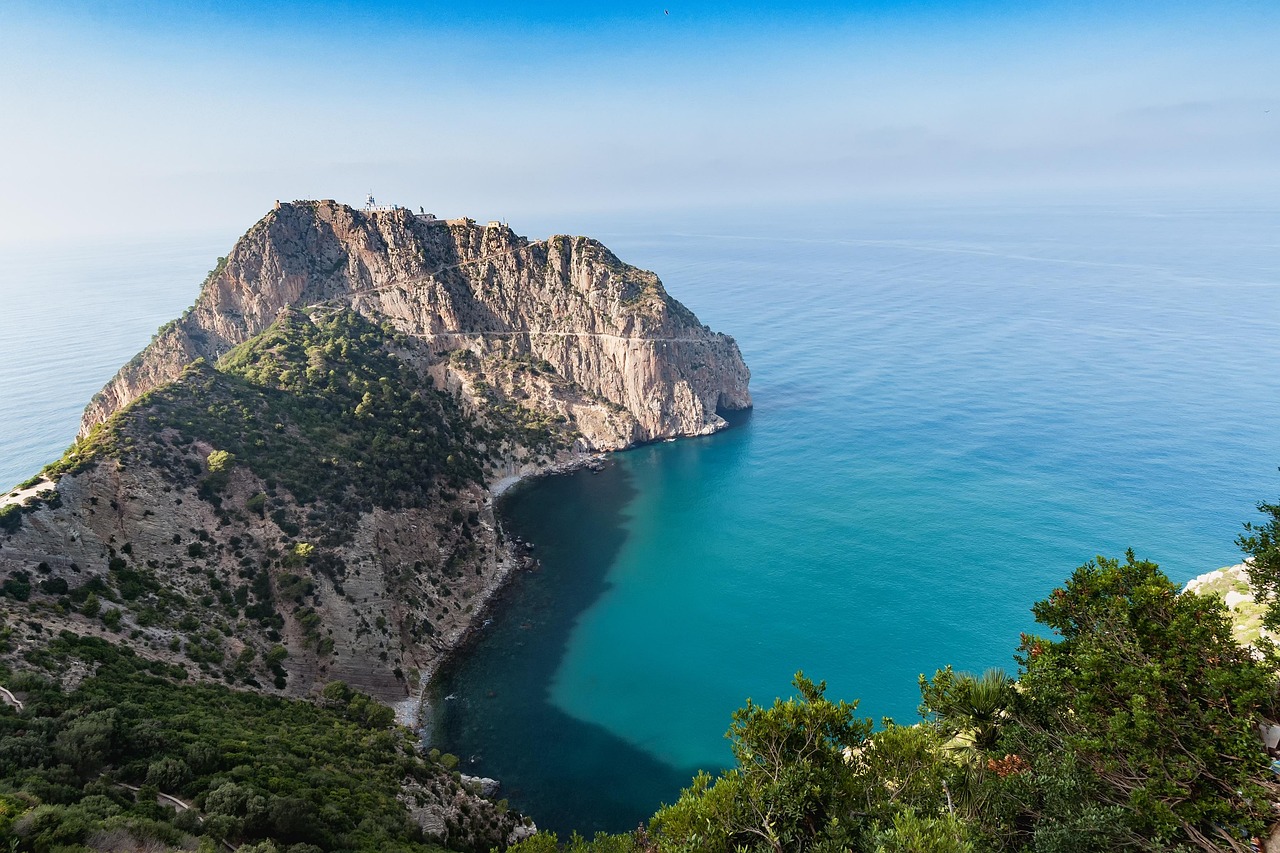
Our story begins in the Maghreb, a region encompassing Morocco, Algeria, Tunisia, Libya, and western Mauritania. This diverse area has seen civilizations rise and fall throughout history, leaving an indelible mark on our collective identity.
The Berbers have inhabited this land since prehistoric times, while the Phoenicians, Romans, Vandals, Byzantines, Arabs, Ottomans, and finally the French and Spanish colonizers have all left their imprint. Each influence has shaped our traditions, language, and culture in profound ways.
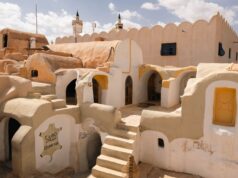
From the vibrant souks of Marrakech to the ancient medinas of Fez, our cities are a testament to the region’s rich cultural heritage. The aromas of spices, the sounds of traditional music, and the flavors of couscous and tagine all blend together to create a unique tapestry that is quintessentially Maghrebi.
As we journeyed out of North Africa, we carried these rich cultural traditions with us. Today, the Maghrebi diaspora spans the globe, from Europe to America, Asia, and beyond.
The Dispersal: A Journey Across Continents
Our dispersal began in earnest during the colonial period, as millions of Maghrebi people were uprooted from their homeland to work as laborers and soldiers across the French and Spanish empires. This period saw many Maghrebis leave their homes, seeking opportunities for a better life.
Following independence, many chose to stay abroad, while others returned home to rebuild their nations. Simultaneously, political instability in our countries of origin led to further migration, with many seeking opportunities for a better life elsewhere.
The 1960s and 1970s saw a significant influx of Maghrebi immigrants to Europe, particularly France and Spain, where they played a crucial role in shaping the cultural landscape. Today, the Maghrebi diaspora is a vibrant and growing community, contributing to and enriching the cultures of their host countries while maintaining strong ties to their roots.
The Preservation: Maintaining Cultural Identity
One of the most remarkable aspects of the Maghrebi diaspora is our ability to preserve and share our unique cultural identity, despite being scattered across the globe. From food and music to language and religion, our traditions continue to flourish.
- Food: Maghrebi cuisine is a tantalizing blend of flavors, featuring aromatic spices, fresh herbs, and hearty dishes like couscous, tagine, and harira soup. The aroma of freshly baked khobz wafts through the streets of Paris, while the sounds of Moroccan tea vendors fill the air in Marrakech.
- Music: From traditional Andalusian music to contemporary Rai, the sounds of the Maghreb have captivated audiences worldwide. The oud and qraqeb instruments echo through the souks, while the rhythms of Gnawa and Chaabi music get people moving on dance floors around the world.
- Language: Arabic dialects, Berber languages, and French continue to be spoken within diaspora communities, ensuring that our linguistic heritage remains alive and well. The calligraphy of ancient manuscripts adorns the walls of mosques, while modern graffiti art brings street culture to life in cities worldwide.
The Empowerment: Building a Stronger Future
As the Maghrebi diaspora continues to grow, so too does our collective influence and power. We have become advocates for social justice, champions of cultural diversity, and drivers of economic growth in our host countries.
- Politics: Many members of the diaspora have made significant contributions to politics, both in their countries of origin and their adopted homelands. From government officials to community organizers, we are shaping the future through our collective voice.
- Business: Our entrepreneurial spirit has led to the creation of numerous successful businesses, from restaurants and travel agencies to technology startups and beyond. The Maghrebi diaspora is a driving force behind global entrepreneurship, innovation, and economic growth.
- Arts and Culture: Maghrebi artists, writers, musicians, and filmmakers have made a lasting impact on global culture, showcasing our rich heritage and unique perspectives to the world. From the pages of literature to the stages of theater, our creative expression is a testament to our resilience and creativity.
The Call to Action: Embracing Our Identity and Strengthening Connections
As members of the Maghrebi diaspora, it is essential that we continue to celebrate our shared heritage while embracing the opportunities that come with our global dispersal. By doing so, we can strengthen our connections to one another and to our roots.
You might also enjoy
Related Articles
- The Rise of Modest Fashion in Western Academia and Its Impact on Maghrebi Culture: A New Era for Empowerment
- Exploring the Growing Halal Skincare Industry: Trends, Lifestyle, and Demands among the Maghrebi Diaspora
- Exploring ‘Beurcore’ Culture Through Art: Sara Sadik’s Journey
- Exploring the ‘Beurcore’ Movement: Navigating Fashion, Culture, and Identity
- The Rise and Influence of the Maghrebi Diaspora in France: An Analysis
- Support cultural organizations: By contributing time, talent, and resources to cultural organizations, we can help ensure that our traditions remain vibrant and thriving. From community centers to museums, these institutions are the lifeblood of our cultural identity.
- Connect with fellow diaspora members: Building relationships with other Maghrebi people can provide a sense of belonging and support in an increasingly interconnected world. Whether through social media, community events, or personal connections, we must nurture our ties to one another.
- Advocate for social justice: As advocates for justice, we must use our voices to speak out against discrimination, prejudice, and inequality, both within our communities and beyond. Our collective power can drive positive change in the world, ensuring that our values of compassion, empathy, and understanding are realized.