

Here is the improved HTML article:
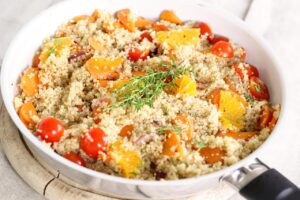
The arrival of autumn brings with it a bounty of seasonal produce, and one of the most beloved ways to celebrate this harvest in Algeria, Tunisia, and Morocco is by roasting a whole fish and serving it with a fragrant, warm couscous salad. This modern adaptation of the classic dish not only honors the traditional flavors of the Maghrebi table but also incorporates the vibrant colors and textures of the season, with pumpkin and butternut squash joining the traditional ingredients of fresh lemon, olives, and parsley. As the air grows crisper and the leaves turn golden, this dish is the perfect accompaniment to a cozy evening spent with loved ones.
History and Origins
Fish couscous is a staple of the Maghrebi table, particularly along the coastlines of Tunisia and Morocco. The dish has been a part of local culinary traditions for centuries, with recipes evolving to suit the ingredients and flavors available in each region. This updated take on a traditional dish offers a fresh approach that still pays homage to its roots, blending the warmth of the Maghrebi tradition with the invigorating flavors of the season. From the Mediterranean to the Atlas Mountains, this dish has been a beloved staple for generations, and its enduring popularity is a testament to the power of food to bring people together.
Ingredients (serves 4)
For a harmonious blend of flavors, it’s essential to use high-quality, fresh ingredients. When selecting a whole snapper, look for a fish between 1.5 and 2 kg, with bright, clear eyes and firm, shiny scales. Freshness is key to a dish that celebrates the best of the season, so be sure to choose the finest ingredients to bring out the natural flavors of the snapper and the supporting cast of vegetables and herbs.
- 1 whole snapper (1.5-2 kg)
- 250 g couscous
- 200 g pumpkin, peeled and diced
- 200 g butternut squash, peeled and diced
- 3 medium red onions — thinly sliced
- 3 cloves garlic — finely chopped
- 2 large lemons — zested and juiced
- 100 g green olives — pitted and halved
- 100 g black olives — pitted and halved
- 1 bunch fresh parsley — chopped
- 1 bunch fresh coriander — chopped
- 4 tbsp olive oil
- 2 tsp ras el hanout
- 1 tsp ground cumin
- 1 tsp ground coriander
- Salt and black pepper to taste
- 2 tbsp honey
- 4 tbsp unsalted butter
Step-by-Step Instructions
Prep time: 30 minutes | Cook time: 45 minutes | Difficulty: Easy
- Prepare the snapper: Preheat the oven to 200°C (180°C fan). Season the snapper inside and out with salt and pepper. In a small bowl, mix the zest and juice of the lemons, half the olive oil, garlic, and a pinch of salt. Rub the mixture all over the snapper, including inside the cavity. Place the snapper on a baking tray, garnish with the sliced red onions, olives, and fresh herbs. As you prepare the snapper, take a moment to appreciate the simplicity and elegance of this dish, which allows the natural flavors of the ingredients to shine.
- Roast the snapper: Roast the snapper in the preheated oven for 20 minutes, then baste with honey and return to the oven for an additional 20 minutes, until the fish is cooked through and the skin is crispy. As the snapper roasts, the aromas of the lemons, garlic, and herbs will fill the air, tantalizing your senses and building your anticipation for the finished dish.
- Prepare the couscous: Cook the couscous according to package instructions, adding the remaining olive oil and a pinch of salt to the water. Fluff with a fork and transfer to a serving dish. As you prepare the couscous, take a moment to appreciate the texture and flavor of this staple grain, which provides a comforting contrast to the delicate flavors of the snapper.
- Serve: Remove the snapper from the oven and let it rest for 5 minutes before transferring to a platter. Spoon the couscous onto a large serving platter, arranging the snapper in the center. Drizzle with any pan juices from the baking tray. Serve immediately, and take pleasure in the warm, inviting atmosphere that this dish creates.
Tips for Success
Fresh, high-quality ingredients are key to a delicious fish couscous. Don’t skimp on the olives or fresh herbs, as they add an essential depth of flavor. Additionally, be sure to use a sharp knife to fillet the snapper, if preferred, for easier eating. For a more substantial meal, roast the vegetables alongside the snapper, if desired, for a complete one-pan meal. And for an extra kick of flavor, serve with a side of harissa for an added layer of complexity.
- Use a sharp knife to fillet the snapper, if preferred, for easier eating
- Roast the vegetables alongside the snapper, if desired, for a complete one-pan meal
- Serve with a side of harissa for an extra kick of flavor
Regional Variations
In Tunisia, this dish is often made with whole seabass or sea bream, while Moroccan versions may include capers and preserved lemons. Experiment with local ingredients to create your own regional take on this classic dish, and don’t be afraid to add your own creative touches to make it your own. Whether you’re a seasoned cook or a culinary novice, this dish is the perfect opportunity to explore the flavors and traditions of the Maghrebi region.
Serving and Presentation
Serve the whole snapper with couscous and a side of harissa, garnished with fresh herbs. This dish is perfect for a festive gathering, as it can be plated family-style and shared communally. Take pleasure in the warm, inviting atmosphere that this dish creates, and enjoy the company of your loved ones as you savor the flavors of the season.
You might also enjoy
Related Articles
- Navigating the Modern Maghrebi Family Life in France: A Comprehensive Guide
- Celebrating Algerian Cuisine at the Lawrence Farmers Market: A World Cup Delight for Maghrebi Diaspora
- Orange-Ginger Curried Couscous Salad: A Healthy Twist for the Maghrebi Diaspora
- Celebrating 20 Years of Maghrebi Cuisine: Kanduli Grand Halal Food Festival
- 53 Best Middle Eastern Recipes for Maghrebi Food Enthusiasts
Conclusion
Fall-fresh couscous with roasted snapper is a modern take on a classic Maghrebi dish that celebrates the best of the season. With a focus on fresh, high-quality ingredients and a willingness to experiment with local flavors, this recipe is perfect for a gathering of friends or family. Share your photos and variations in the comments below, and enjoy this warm, inviting dish as the weather turns cooler.