Here is the improved HTML article:
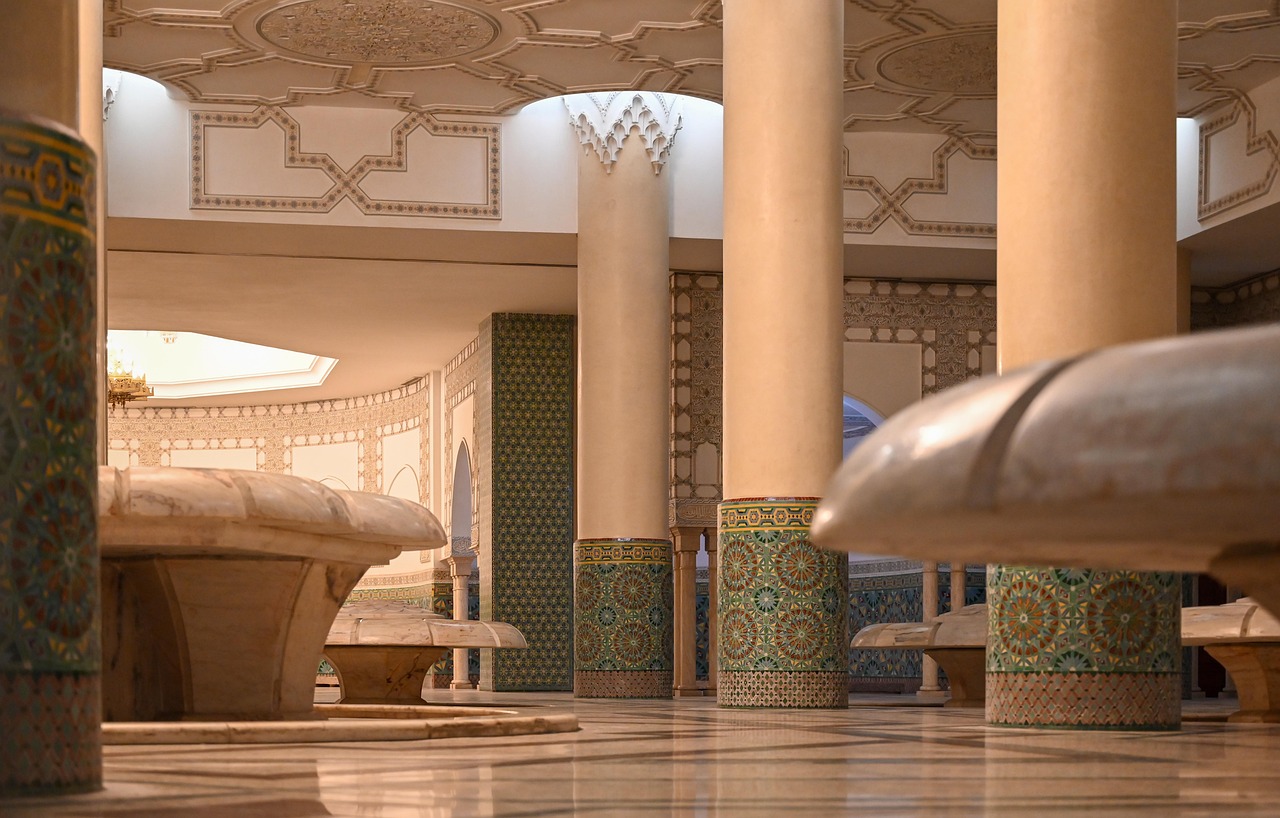
As the sun sets over the majestic minarets of Casablanca, the air is filled with the intoxicating aroma of spiced meats and simmering tagines, transporting you to a world of sensory delights. The 20th Grand Halal Food Festival is in full swing across the city’s vast fairgrounds, a celebration of heritage, pride, and culinary camaraderie that has become a cherished fixture of Algerian, Tunisian, and Moroccan communities. And at the heart of this culinary extravaganza is kanduli, a traditional Algerian dish that has stolen the show this year with its rich, enticing story.
History and Origins
Tracing its roots back to ancient Berber times, kanduli has evolved over centuries, adapting to the cultural influences and modern tastes of the Maghreb. Its enduring popularity, however, can be attributed to the Grand Halal Food Festival, which began in 2002 as a modest gathering of local vendors. Over the last two decades, it has grown into a massive event that attracts over 1 million visitors annually, offering a glimpse into the vibrant food culture of North Africa. As you wander through the festival grounds, the aroma of sizzling meats and spices wafts through the air, transporting you to a world of tradition and heritage.
Ingredients (serves 4)
- 1 kg fresh mackerel — cleaned and cut into 4 equal pieces, its flaky flesh waiting to be infused with the bold flavors of the dish
- 2 large bell peppers — seeded and sliced, their sweet, slightly smoky flavor adding depth to the dish
- 1 large onion — finely chopped, its pungent aroma mingling with the spices and herbs
- 4 cloves garlic — minced, its pungency balancing the bold flavors of the dish
- 2 tbsp olive oil — rich and smooth, providing the foundation for the dish’s bold flavors
- 1 tbsp harissa paste — spicy and aromatic, adding a depth of flavor that is quintessential to North African cuisine
- 1 tsp paprika — smoky and slightly sweet, adding a subtle depth to the dish
- 1 tsp cumin — earthy and aromatic, adding warmth and complexity to the dish
- 1 tsp coriander — slightly sweet and citrusy, adding a subtle brightness to the dish
- Salt and black pepper to taste — balancing the bold flavors of the dish
- 1 lemon — sliced into wedges, its tartness cutting through the richness of the dish
- Fresh cilantro — a small bunch, chopped, its freshness and aroma adding a bright, uplifting note to the dish
Step-by-Step Instructions
Prep time: 20 minutes | Cook time: 20 minutes
- Prepare the fish: season the mackerel pieces with salt, pepper, and a sprinkle of paprika, setting the stage for the bold flavors to come.
- Make the harissa marinade: in a small bowl, combine the harissa paste, minced garlic, and a drizzle of olive oil, mixing until a smooth paste forms, its spicy aroma filling the air.
- Marinate the fish: brush the harissa marinade evenly over the mackerel pieces, making sure to coat all sides, allowing the bold flavors to penetrate the fish.
- Cook the onions: heat olive oil in a large skillet over medium heat, adding the chopped onions and cooking until soft and translucent, about 5 minutes, their pungent aroma mingling with the spices.
- Cook the peppers: add the sliced bell peppers to the skillet, along with a pinch of salt and pepper, cooking for 10 minutes, stirring occasionally, until the peppers are tender and slightly charred, their sweet flavor mingling with the spices.
- Cook the mackerel: carefully arrange the mackerel pieces in the skillet, skin-side down, cooking for 5 minutes, until the skin is crispy and the fish is cooked halfway through, flipping the pieces and cooking for another 5 minutes, until fully cooked, its flaky flesh infused with the bold flavors.
- Finish with herbs and lemon: squeeze the juice of the lemon wedges over the cooked mackerel, and scatter the chopped cilantro on top, its freshness and aroma adding a bright, uplifting note to the dish.
Tips for Success
Kanduli is a simple yet flavorful dish that shines with just a few key ingredients. Here are some tips to help you master this dish at home:
- Use fresh mackerel for the best flavor and texture
- Don’t overcook the fish — it should be flaky but still moist
- Adjust the level of heat in the harissa marinade to taste
- Serve with crusty bread to soak up the delicious juices
Regional Variations
As with many traditional dishes, there are regional variations of kanduli throughout the Maghreb. In Tunisia, the dish is often made with sardines, while in Morocco, it may be served with preserved lemons and olives, adding a depth of flavor and complexity to the dish.
Serving and Presentation
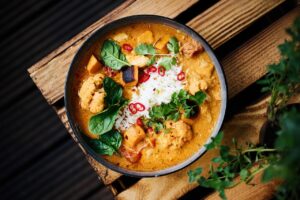
Kanduli is best served hot, directly from the skillet, garnished with a sprinkle of paprika and a handful of fresh cilantro, its bold flavors and aromas filling the air.
Conclusion
Kanduli, a beloved dish steeped in tradition and history, continues to captivate food lovers at the Grand Halal Food Festival. As we celebrate its 20th anniversary, we are reminded of the power of culture, community, and delicious food to bring us together. Try this recipe at home and join the celebration — let us know how it turns out in the comments below!
You might also enjoy
Related Articles
- The Evolution and Impact of Kanduli: Grand Halal Food Festival – A Culinary Celebration for the Maghrebi Diaspora
- Exploring the Judeo-Amazigh Cultural Substratum in North Africa: A Deep Dive for the Maghrebi Diaspora
- Savoring Lawrence: Algerian Halal Food and ‘Radical Hospitality’ in the US
- The Amazigh Cultural Renaissance: A New Era for North Africa
- 10 Essential Middle Eastern Recipes for a Taste of North Africa