Here is the improved HTML article:
As the sun sets on the first Seder night, the aroma of fresh herbs and zesty spices wafts through the homes of Tunisian Jews, signaling that the traditional Yabrak – a delightful combination of stuffed romaine lettuce leaves – is about to take center stage. This beloved dish has been a staple of Tunisian Jewish cuisine for centuries, passed down from generation to generation. In this modern take on the classic recipe, we’ll explore the rich history and origins of the Yabrak, and offer a fresh twist for the diaspora who seek to celebrate their heritage while embracing contemporary culinary trends.
History and Origins
The Yabrak has its roots in the centuries-old traditions of the Ottoman Empire, where it was first created as a symbol of the rich diversity and syncretism of Tunisian Jewish cuisine. This unique fusion of Middle Eastern, Arab, and European flavors has resulted in a dish that is both familiar and exotic, with a flavor profile that is both bold and refined. During Passover, the Yabrak takes on a new significance, serving as a reminder of rebirth and renewal – a perfect fit for the holiday’s themes of liberation and freedom.
Ingredients (serves 4)
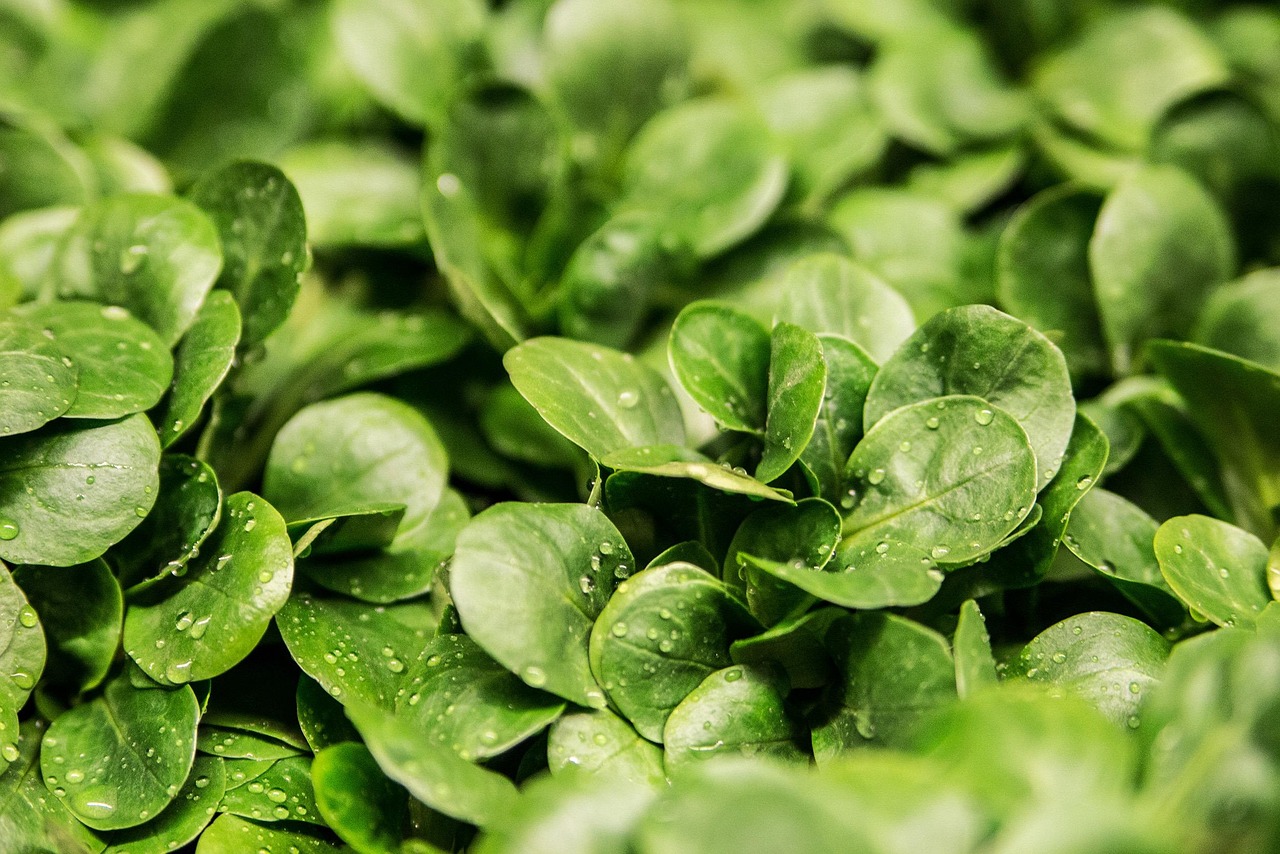
For a lighter, healthier version of the Yabrak, we recommend substituting Romaine lettuce leaves for grape leaves. This simple swap adds a refreshing crunch to the dish, making it a perfect fit for modern tastes.
- 1 large head Romaine lettuce
- 400 g ground lamb
- 2 medium onions — finely chopped
- 2 cloves garlic — minced
- 1 tbsp ras el hanout
- 1 tsp ground cumin
- 1 tsp ground coriander
- Salt and black pepper to taste
- 2 tbsp olive oil
- 200 g canned chickpeas — drained and rinsed
- 100 g pitted Kalamata olives
- 100 g feta cheese — crumbled
- 2 lemons — zested and juiced
- 1 tbsp honey
- 1 tbsp harissa
- 1 bunch fresh parsley — chopped
- 1 bunch fresh mint — chopped
Step-by-Step Instructions
Prep time: 30 minutes | Cook time: 20 minutes | Difficulty: Easy
- Prepare the filling: heat olive oil in a large skillet over medium heat. Add onions and garlic, sauté until soft, about 5 minutes. Add lamb, season with salt, pepper, ras el hanout, cumin, and coriander. Cook until browned, about 8 minutes, breaking up any clumps. Transfer to a large bowl and let cool.
- Prepare the dressing: in a small bowl, whisk together lemon juice, lemon zest, honey, harissa, and a pinch of salt. Set aside.
- Assemble the Yabrak: wash the Romaine lettuce leaves and pat dry. In a large bowl, combine the cooled lamb filling, chickpeas, olives, feta cheese, parsley, and mint. Mix well. Spoon about 2 tablespoons of the filling onto the base of each lettuce leaf, fold in sides and roll up tightly.
- Serve the Yabrak: arrange the stuffed lettuce leaves on a platter and drizzle with the dressing. Pass additional dressing at the table.
Tips for Success
The key to a perfect Yabrak is choosing fresh, crisp Romaine lettuce leaves and using a flavorful ground lamb filling. Be mindful of the seasoning and don’t be afraid to adjust to your taste. If the filling is too wet, add more chopped herbs to absorb the excess moisture. For a spicier Yabrak, increase the amount of harissa in the dressing. Serve with a side of warm pita bread for dipping, or try a vegan version using ground lentils for the filling.
- If the filling is too wet, add more chopped herbs to absorb the excess moisture
- For a spicier Yabrak, increase the amount of harissa in the dressing
- Serve with a side of warm pita bread for dipping
- For a vegan version, substitute ground lentils for the ground lamb
Variations
The Yabrak can be adapted to suit different taste preferences and dietary needs. Swap ground lamb for ground chicken or beef, or make a vegetarian version using lentils or mushrooms. You can also add other ingredients to the filling, such as diced bell peppers or chopped scallions, to give it an extra boost of flavor and texture.
Serving and Presentation
Serve the Yabrak as a main course at the Seder table, alongside traditional Passover dishes like matzoh ball soup and charoset. Garnish the platter with additional fresh herbs and lemon wedges, and don’t forget to pass additional dressing at the table.
You might also enjoy
Related Articles
- Passover in Marseille: A Tunisian Twist on a Traditional Holiday with a Recipe for Yabrak
- Yabrak: A Passover Tradition in Tunisian Marseille
- Celebrating Tunisian Passover in Marseille: Yabrak, a Traditional Dish for a Unique Celebration
- Modern Fashion Trends in Islamic Clothing: A Comprehensive Guide for the Maghrebi Diaspora
- Coconut Curry Chickpeas with Pumpkin and Lime: A Modern Take on Moroccan Cuisine
Conclusion
The Yabrak is a delicious and meaningful dish that connects Tunisian Jews to their heritage during Passover. This modern twist on the classic recipe offers a fresh take for those seeking to celebrate their roots while embracing contemporary flavors. Try this recipe this year and share your photos in the comments below!