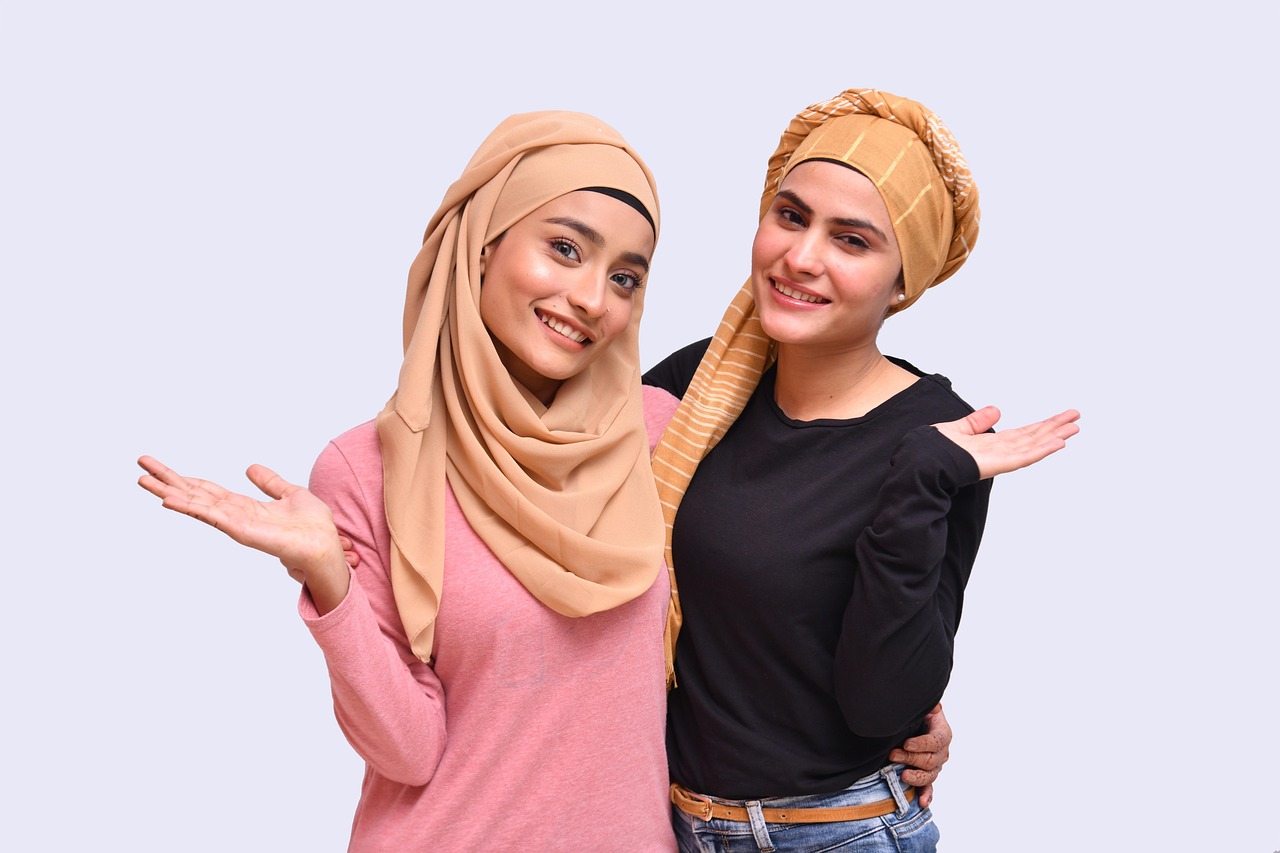
Exploring the Impact and Influence of Contemporary Muslim Women’s Fashion: A Perspective for the Maghrebi Diaspora
Introduction: A New Era of Modesty and Fashion
In today’s fast-paced world, the intersection of culture, religion, and fashion has never been more prominent, especially among Muslim women from the Maghreb region. The diaspora is witnessing a remarkable shift in the way Muslim women navigate the complex intersection of cultural and religious expectations and personal style. With the rise of social media, Muslim women are now able to express themselves freely, sharing their style, connecting with like-minded individuals, and challenging stereotypes.
This article aims to delve into the impact and influence of contemporary Muslim women’s fashion, focusing on the unique experiences and trends among the Maghrebi diaspora. We will explore how these women are challenging traditional norms, expressing their identity, and shaping the future of Muslim fashion.
1. The Evolution of Modest Fashion: A Global Phenomenon
Over the past decade, modest fashion has grown exponentially, becoming a multi-billion-dollar industry. Muslim women, especially those in the Maghreb, have played a significant role in this transformation. From modest swimwear to hijab-friendly activewear, the offerings cater to the needs and preferences of a diverse community.
This growth is not just about numbers but also about the diversity and innovation that Muslim women are bringing to the fashion world. With the rise of e-commerce and social media, Muslim women are now able to access a wide range of fashion brands and influencers, allowing them to express themselves freely and make informed purchasing decisions.
For instance, modest fashion brands like Hijab House and The Modest Journal have gained popularity among Muslim women, offering a range of stylish and functional clothing options that cater to their unique needs.
2. The Role of Social Media and Influencers
Social media has been a game-changer for Muslim women, enabling them to share their style, connect with like-minded individuals, and challenge stereotypes. Influencers like Amena Khan and Dina Tokio have gained massive followings by showcasing their unique interpretations of modest fashion.
Amena Khan, a British-Pakistani model and activist, uses her platform to promote body positivity, mental health awareness, and Muslim representation in the fashion industry. Her influence extends beyond aesthetics, as she uses her platform to promote cultural understanding and challenge stereotypes.
Dina Tokio, a British-Yemeni fashion influencer, has amassed over 1.5 million followers on Instagram, showcasing her personal style and providing fashion inspiration for Muslim women worldwide. Her platform has become a go-to destination for Muslim women seeking fashion advice and inspiration.
- Amena Khan, a British-Pakistani model and activist, uses her platform to promote body positivity, mental health awareness, and Muslim representation in the fashion industry.
- Dina Tokio, a British-Yemeni fashion influencer, has amassed over 1.5 million followers on Instagram, showcasing her personal style and providing fashion inspiration for Muslim women worldwide.
3. The Maghreb’s Contribution to Contemporary Modest Fashion
The Maghreb’s rich cultural heritage and diverse fashion traditions have significantly influenced contemporary modest fashion. Designers like Mariam Hazem, a Tunisian designer, and Haya by Hayet Riahi, a Moroccan brand, are pushing the boundaries of modest fashion by incorporating traditional Maghrebi aesthetics with modern trends.
These designers are not only catering to the local market but also gaining international recognition for their innovative designs that blend tradition and modernity. For instance, Mariam Hazem’s designs have been featured in top fashion publications, and Haya by Hayet Riahi has collaborated with international brands to create exclusive collections.
4. Challenges and Opportunities in the Maghrebi Diaspora
Despite the growth and influence of Muslim women’s fashion, challenges persist, particularly within the Maghrebi diaspora. These include issues related to representation, accessibility, and cultural misunderstandings. However, these challenges also present opportunities for growth and innovation.
For instance, the growing demand for halal fashion and the increasing interest in ethical and sustainable practices among Muslim consumers offer potential for the creation of socially responsible brands that cater to the needs of the Maghrebi diaspora. By embracing these challenges and opportunities, Muslim women in the Maghrebi diaspora can continue to shape the future of Muslim fashion.
Conclusion: Embracing Change and Celebrating Diversity
Contemporary Muslim women’s fashion is a testament to the resilience, creativity, and diversity of the Maghrebi diaspora. It is a movement that challenges traditional norms, empowers women, and contributes to a more inclusive and diverse fashion landscape.
As we continue to witness the growth and influence of Muslim women’s fashion, it is essential to celebrate and support these trailblazers. By doing so, we can help foster a more inclusive and equitable fashion industry that reflects the rich tapestry of cultures and traditions within the Maghrebi diaspora.
Join us in embracing change, celebrating diversity, and empowering Muslim women in fashion.
You might also enjoy
Related Articles
- Exploring the Impact of Contemporary Muslim Women’s Fashion on Modest Style: A Journey Through the Maghrebi Diaspora
- Modern Muslim Women’s Fashion: Blending Tradition and Contemporary Style – A Journey for the Maghrebi Diaspora
- Modern Fashion Trends in Islamic Clothing: A Comprehensive Guide for the Maghrebi Diaspora
- Modern Muslim Women’s Fashion: Three Key Learnings from Contemporary Styles
- Modern Fashion Trends for Maghrebi Women: Balancing Tradition and Contemporary Style