Unveiling the Culinary Treasures of South Tunisia: A Journey Through Time and Flavors
Welcome, fellow Maghrebi diaspora members, as we embark on a tantalizing journey to the heart of Tunisia, delving deep into the vibrant and rich culinary heritage of its southern region. As we explore the diverse landscapes, rich history, and unique cultural influences, we’ll uncover the true spirit of Tunisia’s gastronomy.
South Tunisia’s culinary scene is a symphony of flavors and aromas, with each dish telling a story of the region’s complex cultural heritage. From the Berber and Arab influences that have shaped the local cuisine to the fresh seafood from the Mediterranean coast and the traditional dishes that have been passed down through generations, every bite is a testament to the region’s rich culinary heritage.
The Influence of Berber and Arab Cultures on South Tunisian Cuisine
The Berbers, the indigenous people of North Africa, have left an indelible mark on South Tunisian cuisine. Their contribution is evident in dishes like Couscous, which is a staple in the Tunisian diet, and Makhoubeh, a layered masterpiece made with rice, meat, and vegetables. This traditional dish is a perfect example of Berber influence on Tunisian cuisine, with its intricate layers and rich flavors.
The Arab influence is also palpable in dishes like Harissa, a fiery chili paste that adds a kick to many Tunisian dishes. Another classic example is Brik, a crispy, savory pastry filled with tuna, olives, and eggs – a true Arab-inspired delight.
The Role of Dates and Olives in South Tunisian Cuisine
Dates and olives are the unsung heroes of South Tunisian cuisine, with their sweet and savory flavors adding depth and complexity to many dishes. Dates, for instance, are used in a variety of sweet and savory dishes, from desserts like Sfincah to savory dishes like Mshakshouka. Olives, on the other hand, are a staple condiment, adding a salty, savory flavor to many Tunisian dishes, including the popular Salad Tunisien.
A visit to the date palms and olive groves of South Tunisia is a must for anyone seeking to truly immerse themselves in the region’s culinary heritage. The scent of ripe dates and the sight of lush olive groves will transport you to a world of flavors and aromas that will leave you craving more.
Seafood Delights from the Mediterranean Coast
The Mediterranean coast of South Tunisia is renowned for its fresh seafood, with fish and shellfish playing a significant role in the region’s cuisine. One of the most popular seafood dishes is Hammour Mechouia, a grilled fish dish served with a flavorful tomato and pepper sauce. Other must-try seafood dishes include Fenouk Grillé, grilled sea urchins, and Zrig, a traditional fish soup that’s a staple in many Tunisian households.
For those looking to sample the freshest seafood, a visit to the bustling fish markets along the coast is a must. The sights, sounds, and smells of the market will transport you to a world of fresh seafood and culinary delights.
Exploring the Desert through its Food
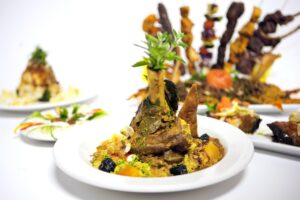
South Tunisia’s vast desert landscapes also have a rich culinary tradition, with dishes that have been passed down through generations. One such dish is Skewered Meat, a popular street food made from skewered and grilled lamb or mutton, seasoned with salt, garlic, and cumin. Another desert delight is M’hamsa, a triangular pastry filled with a savory meat and vegetable filling – a true desert gem.
For a truly authentic desert experience, joining a Berber family for a meal in their home is a once-in-a-lifetime opportunity. The warm hospitality, the rich flavors, and the stories of the desert will leave you with a deep appreciation for the region’s culinary heritage.
A Call to Action: Embrace Your Roots and Discover South Tunisia’s Culinary Heritage
We hope this journey through South Tunisia’s culinary heritage has left you inspired and eager to explore more. Whether you’re planning a visit to Tunisia or simply want to recreate these dishes at home, embracing your roots and discovering the rich flavors of South Tunisia is a journey we encourage you to embark on.
As you embark on this culinary journey, remember that food is a powerful tool for connecting with our heritage and our roots. By exploring the culinary treasures of South Tunisia, you’re not only discovering new flavors and aromas, but also honoring the traditions and cultures that have shaped this beautiful region.
Stay tuned for more articles highlighting the beautiful and diverse culinary heritage of Tunisia. Until next time, happy cooking and bon appétit!
You might also enjoy
Related Articles
- Exploring the Culinary Heritage of South Tunisia with Malek Labidi: A Gastronomic Journey for Maghrebi Diaspora Readers
- Rediscovering the Ancient Phoenician Heritage in Tunisia: A Journey Through Time for the Maghrebi Diaspora
- Unveiling Algerian Culture, Traditions, and Cuisine: A Culinary Journey Through the Maghreb
- A Yabrak Recipe for a Tunisian Passover in Marseille: A Culinary Journey for the Maghrebi Diaspora
- Celebrating Ramadan with Tunisian Yabrak Recipe in Marseille: A Culinary Journey through the Maghrebi Diaspora