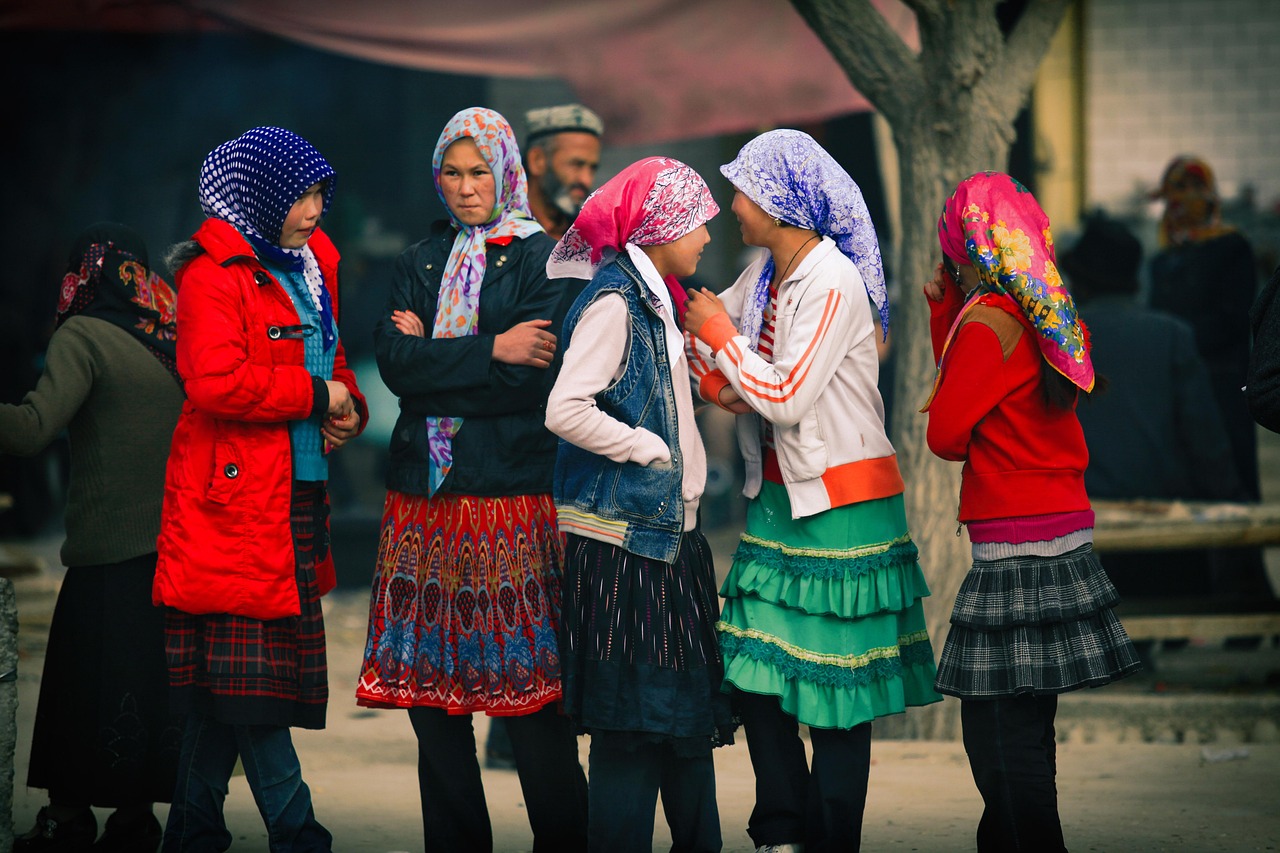
Empowering Women’s Health in the Arab World: A Comprehensive Look at Key Issues
In this article, we take a closer look at the complex and multifaceted issues surrounding women’s health in the Arab world. As members of the Maghrebi diaspora, it’s essential to stay informed about these matters and contribute to the betterment of our shared cultural heritage. Women’s health is not just a matter of individual well-being but also has far-reaching implications for families, communities, and societies as a whole.
Gender Inequality and Healthcare Access
Despite significant progress in recent years, gender inequality remains a pervasive issue across various aspects of life in the Arab world. This disparity extends to healthcare, where women often face barriers in accessing essential services due to cultural norms, socio-economic factors, and a lack of education. For instance, in some countries, women may be less likely to seek medical attention or receive adequate treatment due to patriarchal attitudes that prioritize men’s health over women’s.
One of the most pressing issues is the underrepresentation of women in healthcare decision-making positions. This imbalance can lead to policies that fail to adequately address the unique health needs of women, perpetuating existing disparities. For example, a study found that only 15% of healthcare professionals in one Arab country were female, which resulted in limited awareness and understanding of reproductive health issues.
To bridge this gap, it’s crucial to empower and support female healthcare professionals in leadership roles, ensuring their voices are heard and their perspectives are valued. This can be achieved through initiatives such as mentorship programs, training opportunities, and targeted recruitment efforts.
Reproductive Health: A Crucial Concern
Reproductive health is a significant concern for women in the Arab world. High rates of maternal mortality, unintended pregnancies, and limited access to family planning resources continue to plague the region. For instance, according to UNICEF, Jordan has one of the highest maternal mortality rates in the Middle East, with over 50 deaths per 100,000 live births.
Addressing these issues requires increased investment in sex education, family planning services, and comprehensive reproductive health programs. Breaking cultural taboos surrounding sexuality and reproductive health is essential for creating informed, empowered individuals who can make decisions about their bodies and futures.
- Improve access to contraception: Governments should invest in expanding the availability of affordable and accessible contraceptives to help reduce unintended pregnancies. This can include initiatives such as mobile clinics, community-based distribution programs, and online ordering systems.
- Promote comprehensive sex education: Curriculum should include discussions about reproductive health, safe sex practices, and sexual consent to ensure young people are equipped with the knowledge they need to make informed decisions. This can be achieved through school-based programs, community outreach initiatives, and online resources.
- Reduce maternal mortality rates: This can be achieved through increased access to prenatal and postnatal care, as well as skilled birth attendants in under-served areas. Governments should invest in strengthening healthcare infrastructure, training medical professionals, and implementing evidence-based practices.
Nutritional Deficiencies and Mental Health
Women in the Arab world often face nutritional deficiencies due to factors such as poverty, cultural practices, and limited access to healthy food options. This can lead to various health complications, including anemia, malnutrition, and obesity. For instance, a study found that over 50% of women in one Arab country had anemia, which is often linked to iron deficiency.
Simultaneously, mental health issues are on the rise in the region, with stress, depression, and anxiety affecting a significant portion of the female population. This can be attributed to factors such as socio-economic pressures, limited social support networks, and cultural stigma surrounding mental illness.
To combat these challenges, governments should prioritize initiatives aimed at improving nutrition and mental health, such as subsidizing healthy food options, increasing access to mental health services, and destigmatizing mental illness through education and open dialogue. This can include programs such as school-based counseling, community-based support groups, and online resources.
Cancer Awareness and Prevention
Breast cancer is one of the leading causes of death among women in the Arab world. However, many women lack access to screenings and early detection services, making it difficult to diagnose and treat the disease effectively. For instance, according to the World Health Organization (WHO), breast cancer mortality rates are significantly higher in some Arab countries compared to developed nations.
Raising awareness about breast cancer symptoms, screening methods, and the importance of regular check-ups is essential for empowering women to take control of their health and seek appropriate care when needed. Governments should invest in public education campaigns that teach women about breast cancer risk factors, symptoms, and the importance of early detection.
- Promote breast cancer education: Governments should invest in public education campaigns that teach women about breast cancer risk factors, symptoms, and the importance of early detection. This can include initiatives such as school-based programs, community outreach initiatives, and online resources.
- Expand access to screening services: Increasing the availability of mammograms and other screening methods can help detect breast cancer at an earlier stage, making treatment more effective. Governments should invest in strengthening healthcare infrastructure, training medical professionals, and implementing evidence-based practices.
- Support breast cancer survivors: Recovery from breast cancer is a long and challenging journey. Providing emotional support, financial assistance, and resources for continued care are essential for helping women overcome the disease. This can include programs such as counseling services, online communities, and support groups.
Call to Action
As members of the Maghrebi diaspora, we have a unique opportunity to make a difference in the lives of women across the Arab world. By staying informed about these health issues and advocating for change, we can help create a more equitable and healthy future for all.
Join us in supporting organizations that work towards improving women’s health in the region, donate to initiatives focused on education and healthcare access, and use your voice to raise awareness about these critical issues. Together, we can empower women and create a brighter, healthier future for all.
You might also enjoy
Related Articles
- Empowering Voices: Arab Women in Cinema and TV – Breaking Barriers and Pushing Boundaries
- Empowered Together: Lessons on Women’s Empowerment Learned from Arab Women
- Empowerment through Identity: How Arab Women in the Maghrebi Diaspora are Challenging Societal Norms
- Redefining Cinema and TV: Arab Women Lead the Way in Genre Diversity and Equal Creative Power
- Empowering Modern Fashion for Muslim Women: The Rise of Anastasia Miari